5 Signs Your Main Sewer Line Is Clogged (Not Just One Drain)
A single slow drain is an annoyance. A clogged main sewer line is a different animal. It affects the whole house and can put sewage where you really don't...
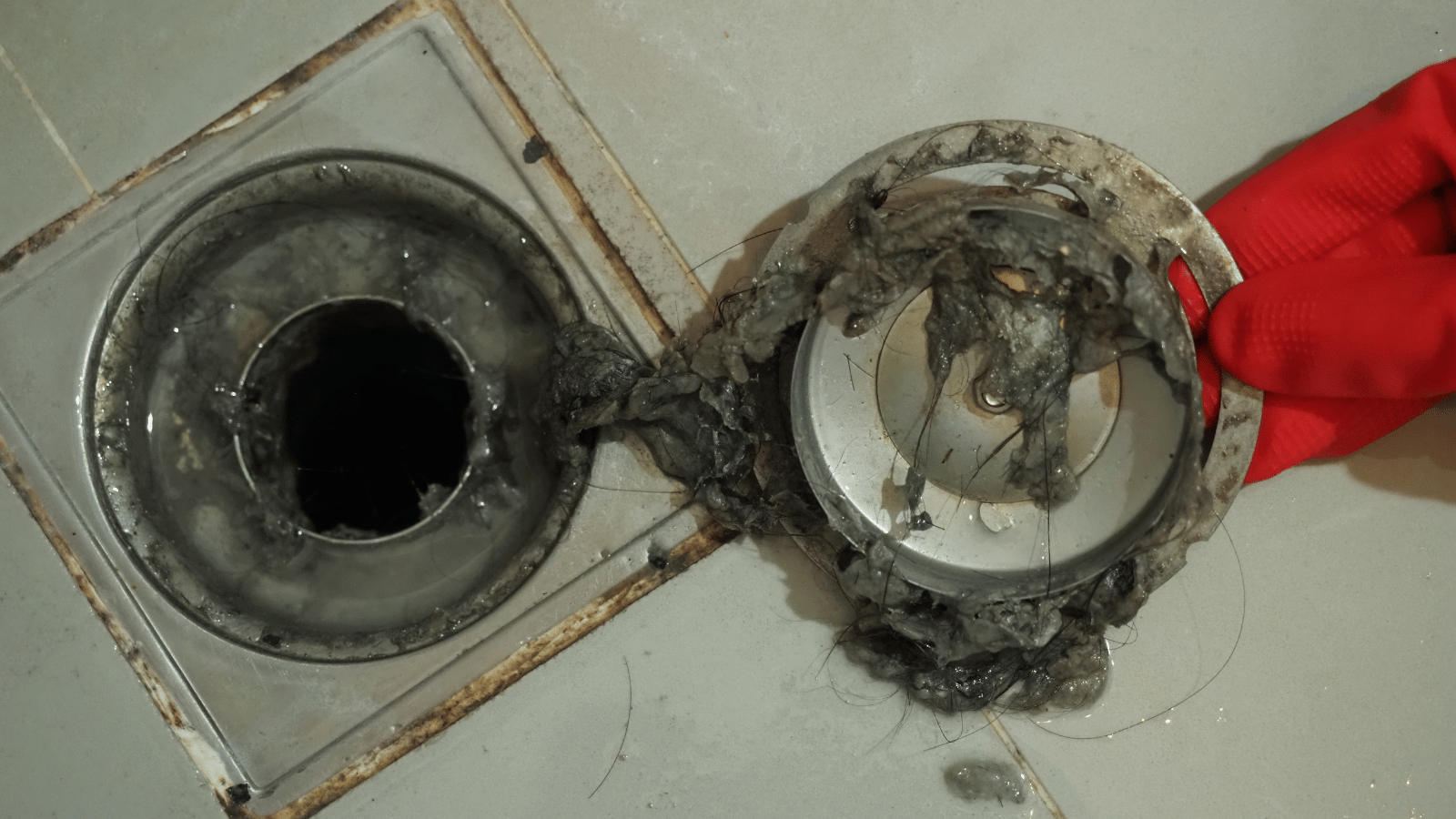

A single slow drain is an annoyance. A clogged main sewer line is a different animal. It affects the whole house and can put sewage where you really don't want it. The hard part is telling them apart early, before a slow warning becomes a flooded basement. Here are the five signs that the problem is your main line, not just one fixture.
1. More than one drain is backing up at once
This is the clearest sign. If your toilet, tub, and a sink are all draining slowly or backing up around the same time, the blockage probably isn't in any one of them. The problem is likely in the shared main line or sewer lateral that they all empty into. One bad drain is probably a branch line problem. Several clogs, slow drains, or gurgling drains at once is more likely a main line problem.
2. Drains gurgle when you use a different fixture
Flush a toilet and hear the bathtub gurgle? Run the washing machine and watch the floor drain bubble up? That cross-talk happens when water sent down one fixture can't get past a main line blockage and pushes air or water back up through another. It's one of the earliest and most reliable main line warnings.
3. The lowest drain in the house backs up first
Because of gravity, water finds the lowest exit. When the main line is blocked, the basement floor drain or laundry tub, the lowest openings in the system, back up before anything upstairs. If you're seeing water come up out of a basement floor drain, treat it as a main line issue until proven otherwise.
4. Toilets are the first to act up
Toilets, especially basement toilets, have the most direct, largest connection to the main line, so they often show trouble first: bubbling, gurgling, rising and falling water levels, or weak flushing across multiple toilets at once. One bad toilet might just be a bad toilet. But, if every toilet in the house is acting strange, that points downstream to the main.
5. A sewage smell or backups
A persistent sewage odor in the basement or near a floor drain means wastewater isn't moving the way it should. And if your backups arrive on a calendar, like every spring or fall, that's the signature of roots in the lateral responding to seasonal changes. Both point to the main line.
What to do if you see these signs
Stop running water immediately. With the main line blocked, everything you send down backs up somewhere. Pause laundry, dishwashers, and extra flushes.
Skip the chemical drain cleaner. It won't clear a main line clog or a root mat, and it endangers whoever clears the line next.
Call a drain specialist same-day. A main line backup doesn't fix itself and gets worse with use. We'll cable or jet the line and run a camera so you can see the underlying cause.
Why the camera matters here
Clearing a main-line clog gets your house working again, but it doesn't tell you why it happened. On every main line we run, the camera look is included, so you find out whether this was a one-time “soft blockage” or a recurring root or structural problem that you'll need to plan around. Knowing the difference is what keeps you from being surprised by the same backup next season.
Seeing these signs? Don't wait for it turn into a basement emergency. Call or text Lucky Dog for same-day main-line service with a free camera look.
Read similar articles
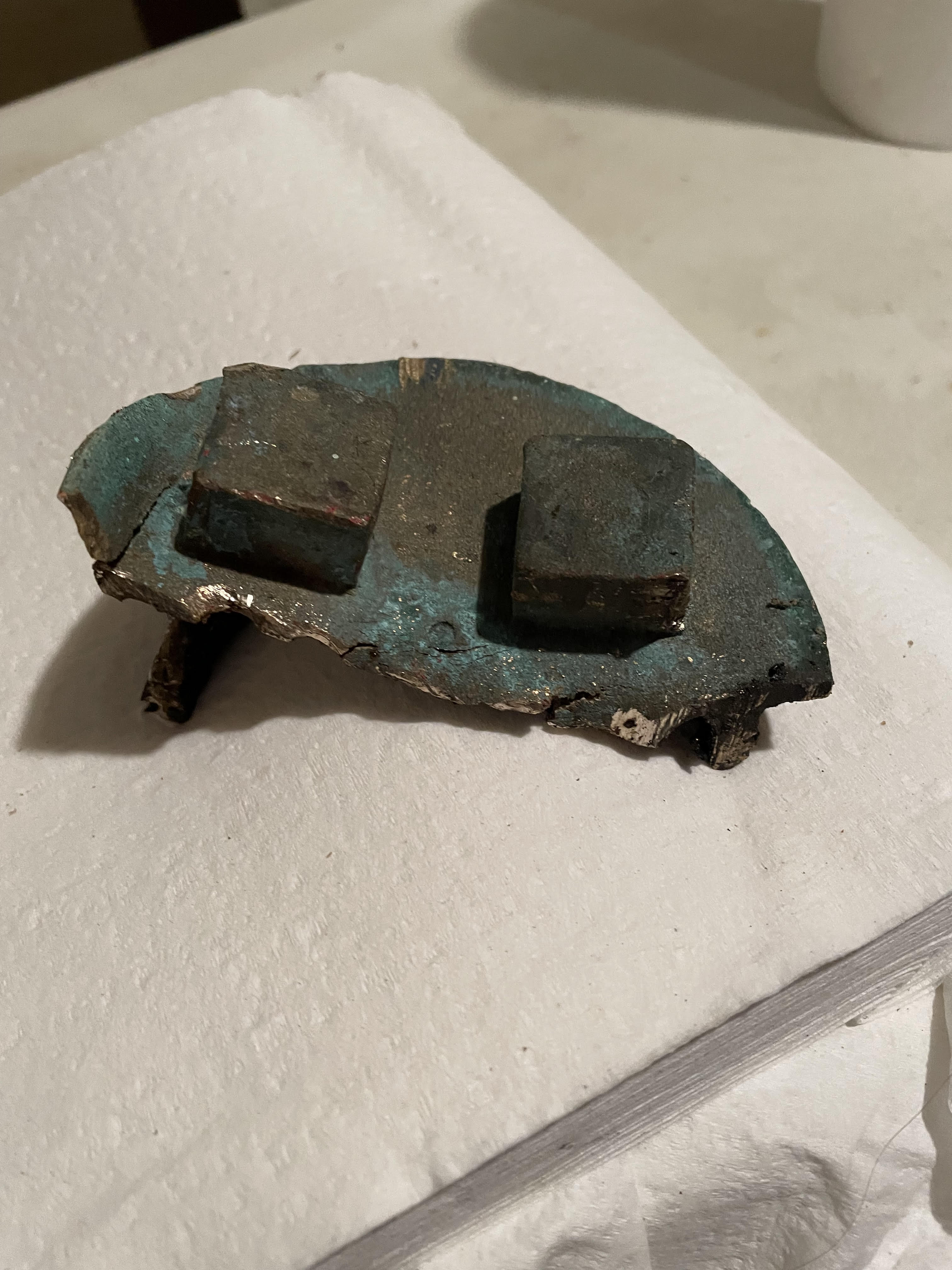
A seized sewer cleanout cap turns a fast fix into a real problem. Here's how Lucky Dog cuts out a frozen cap and replaces it with one you can open.
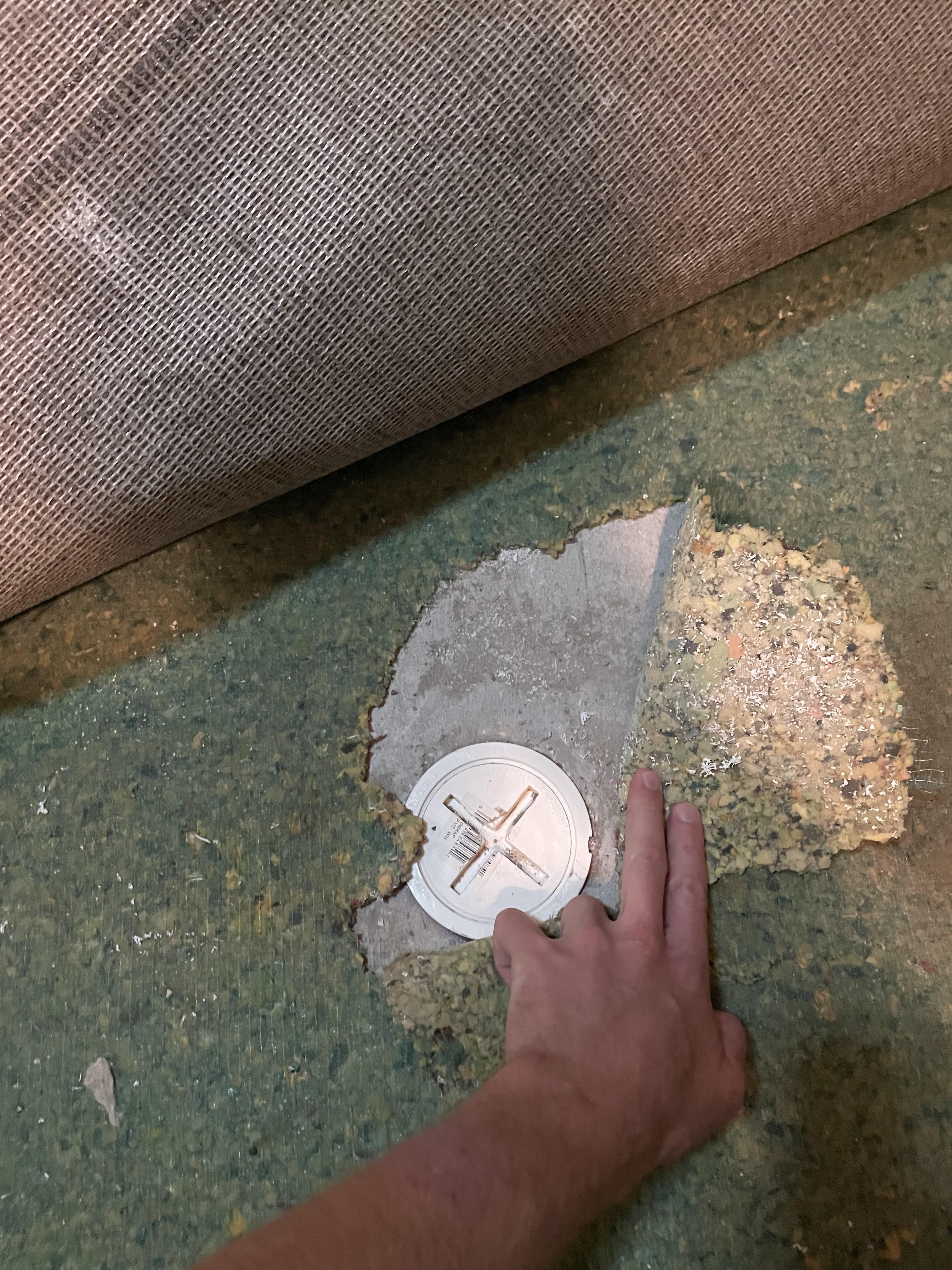
Remodelers cover sewer cleanouts with carpet, tile, and drywall more often than you'd think. Here's how to find yours, and why it matters in older homes.
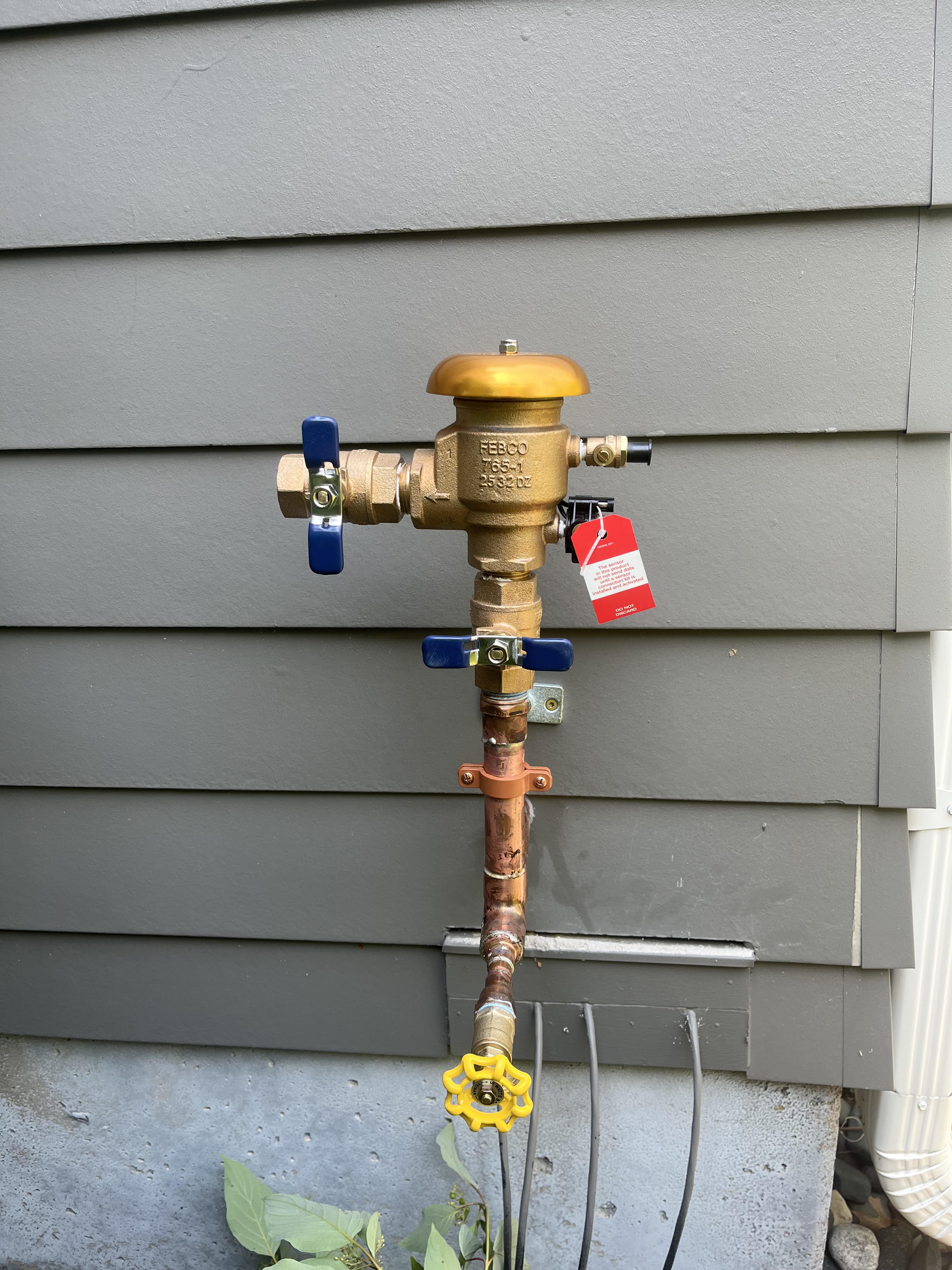
New irrigation system in Edina, St. Louis Park, or Bloomington? Minnesota code requires a backflow preventer, a permit, and annual testing every year.
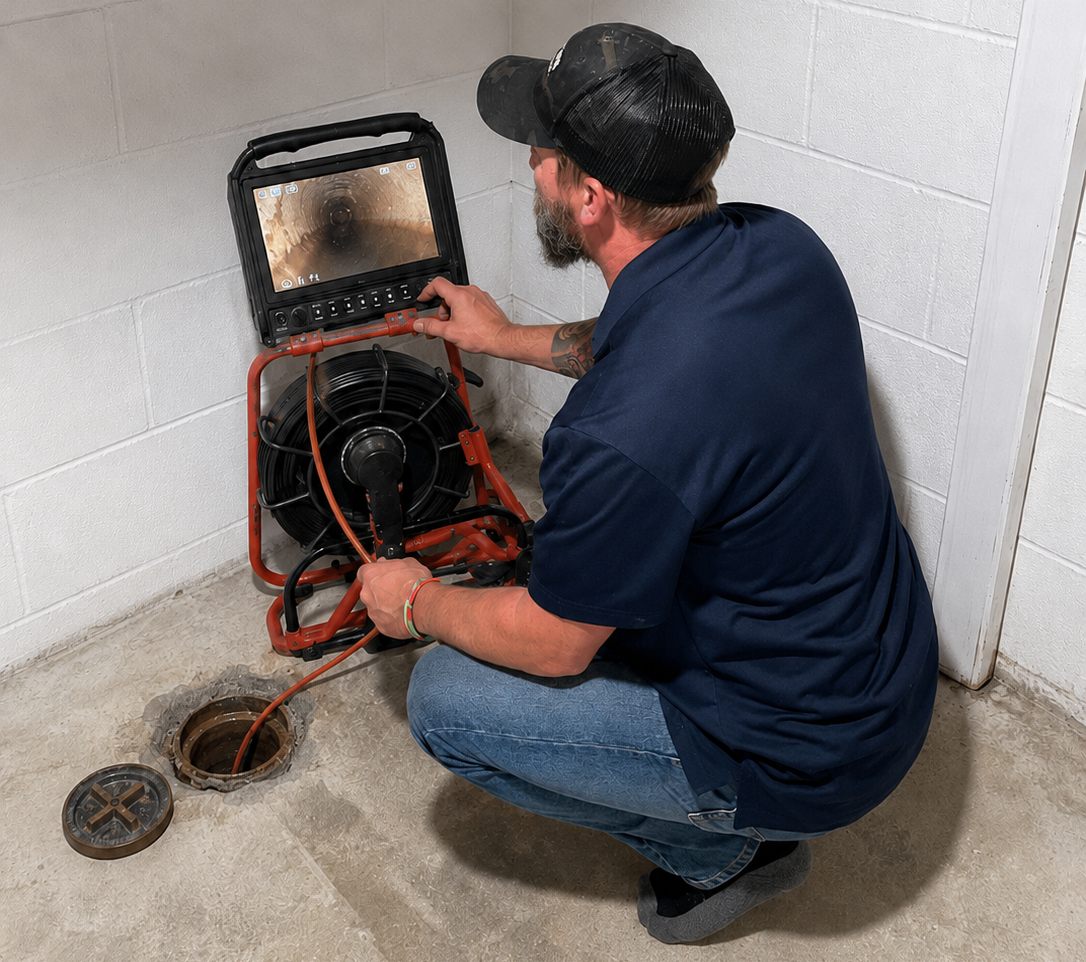
In a real estate transaction, time and momentum matter. Anything that slows things down can create unnecessary friction and potentially put the deal at risk.
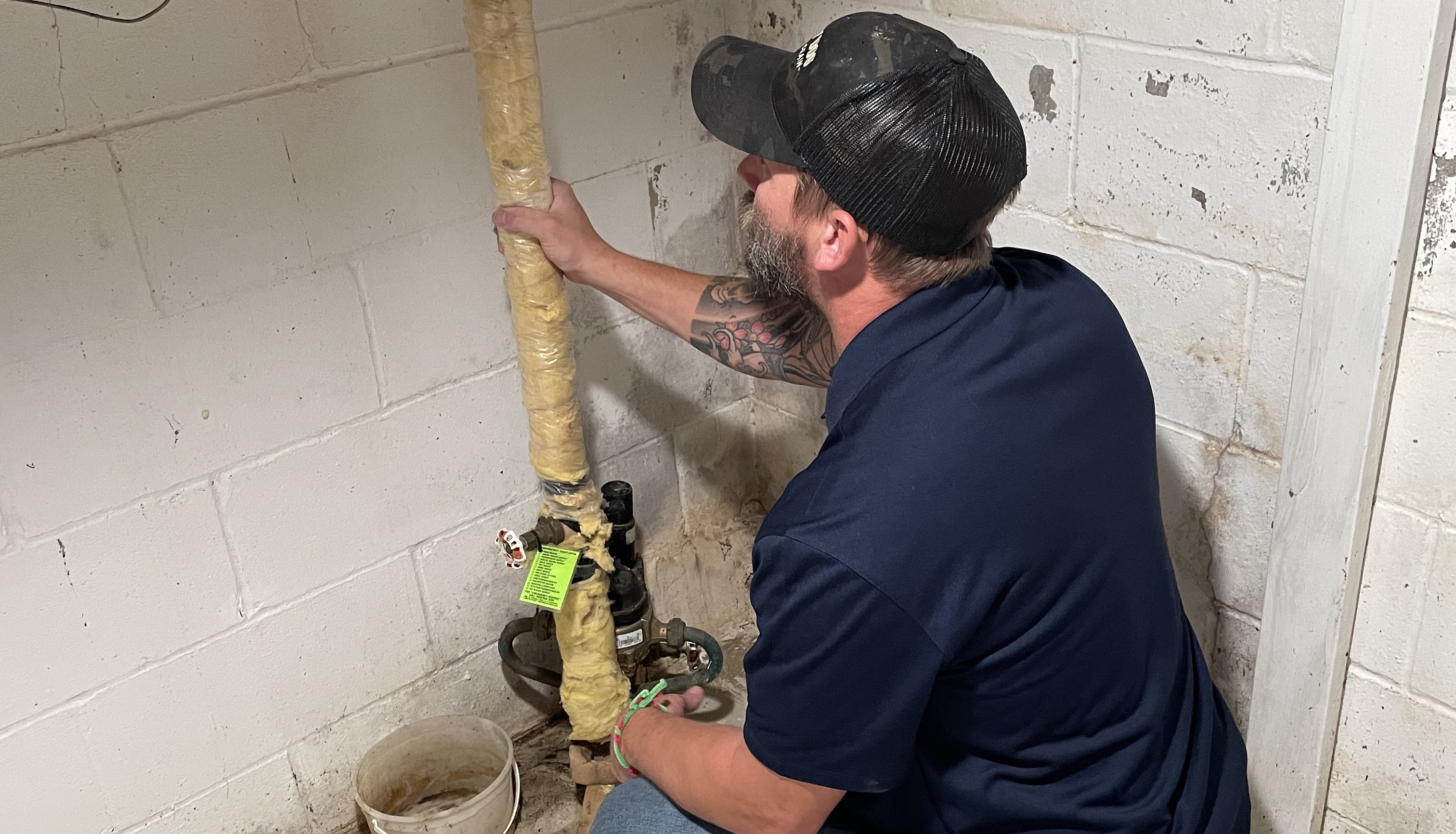
If you live in Minnetonka and recently received a letter about replacing your water meter, you’re not alone. The City of Minnetonka began a multi-year water...

Before you hire anyone to clear a drain, make sure you know the ins and outs of work warranties.