
How Often Should You Clean Your Main Sewer Line?
There's no single right answer to how often you should clean your main sewer line. Any company that claims certainty with regards to cleaning and sewer...
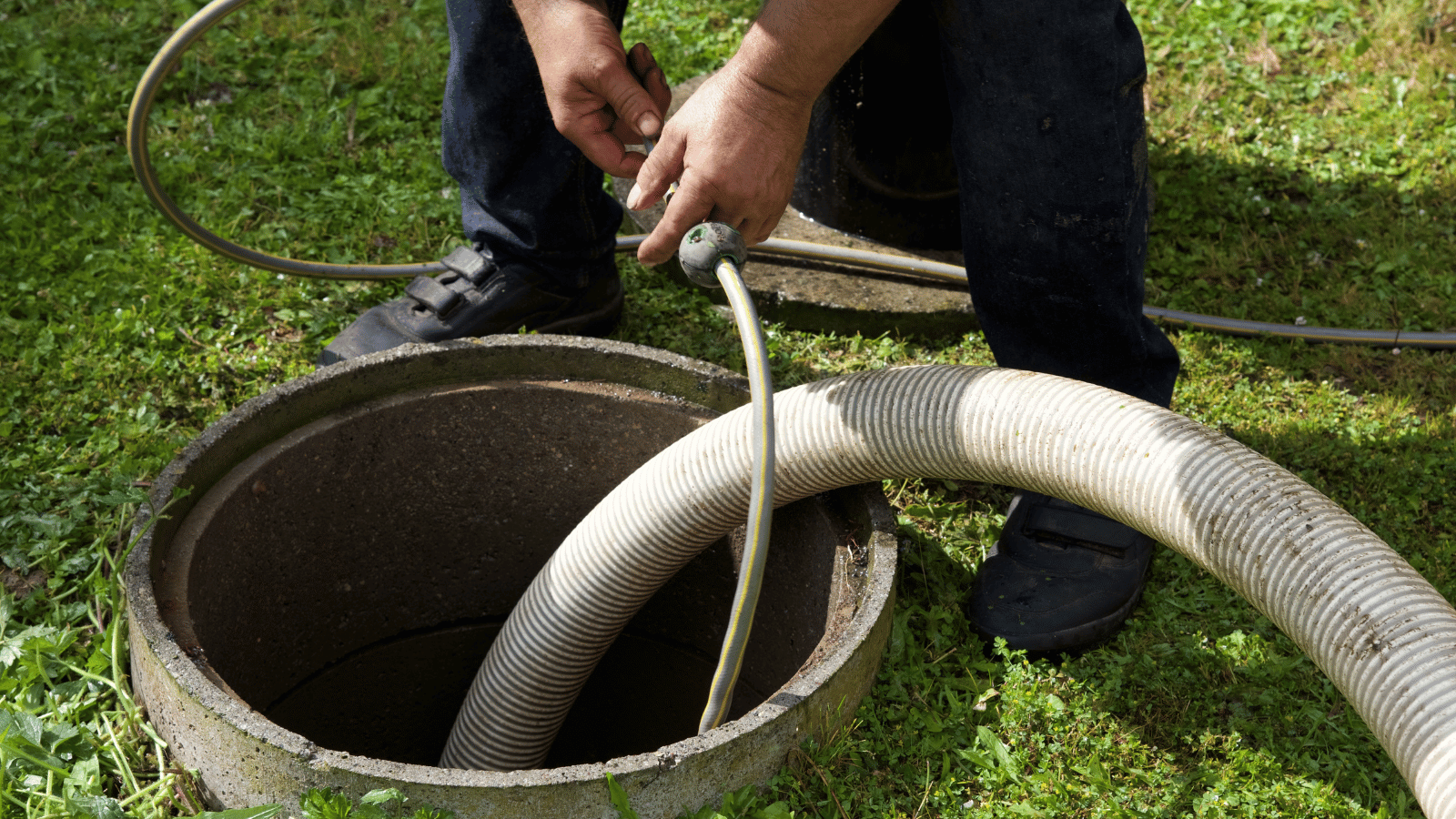

There's no single right answer to how often you should clean your main sewer line. Any company that claims certainty with regards to cleaning and sewer lifespan is giving it their best guess. The honest answer is that maintenance timelines depends on your pipe, trees near your yard, and your pipe’s history. Here's are some rough guidelines for how to decide the right maintenance schedule for your home so you're not caught off guard.
It depends on your home's risk profile
Two houses on the same street can have completely different needs. What matters:
Pipe age and material. Original clay tile or old cast iron (common in pre-1960 west-metro homes) has joints and corrosion that catch debris and admit roots more easily. Newer PVC laterals or trenchless liners protect against roots.
Trees. Mature trees over or near the lateral dramatically raise root risk. A new build on a bare lot is probably lower risk. A tree growing directly over the top of your sewer lateral is higher risk.
History. A line that has backed up or grown roots before will probably do back up again on a predictable cycle.
What goes down the drains. Heavy grease use, “flushable” wipes, and a busy household all speed buildup.
Occupancy and usage volume. A home with one person who’s frequently traveling is significantly less likely to back up than a home with a family of five using a high volume of water. This is why sewers frequently back up after Thanksgiving or Christmas dinners when one home hosts a dozen extended family members.
General guidelines
Newer home, PVC line, no big trees, no history: you may never need a scheduled cleaning. Clean it if symptoms appear. Roots can still cause blockages at the ends of the PVC if they’re not properly sealed.
Older home with mature trees or a history of roots: an annual cleaning and camera inspection is recommended
Known recurring issue (a belly, persistent roots): every 6–12 months until you decide whether to repair the underlying cause.
Rental or multi-unit property: annual or semi-annual main line maintenance is cheap insurance against a tenant-displacing backup.
The case for staying ahead of it
A scheduled cleaning is the lowest cost preventative maintenance. A surprise backup is an emergency call accompanied by possible cleanup costs and sometimes has the worst timing imaginable (typically holidays and hard rains are when lines fail, because that's when they're stressed). For an older home with a known root problem, paying once a year on your schedule is far cheaper and far less stressful than paying on the pipe's schedule.
How to know your number for sure
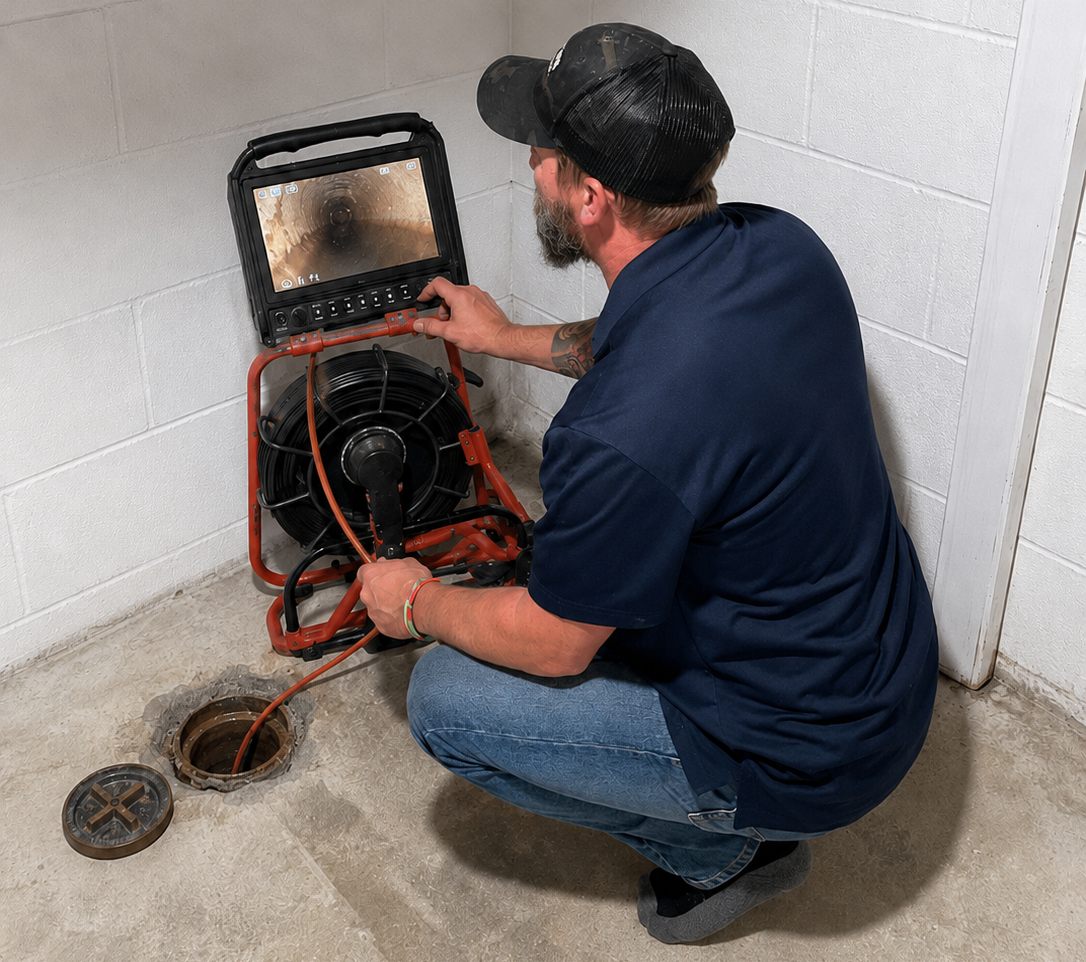
You can never know when a pipe might fail or back up. However, you can mitigate risk with preventative maintenance and camera inspection. A camera inspection will show the actual condition of the pipe. If you get an annual camera inspection, you’ll be able to see how fast roots are returning, whether there's a belly collecting debris, or any other trends emerging. That’ll allow you to plan for repairs and budget accordingly.
Make it automatic
For homes that benefit from regular service, our maintenance membership puts the annual cleaning and assessment on a schedule so you don't have to remember it. It’s also priced to cost less than paying retail each time, with priority scheduling and preferred pricing for members when something does come up.
Want preventative maintenance recommendations for your sewer? Get the line scoped once. Call or text Lucky Dog.
Read similar articles
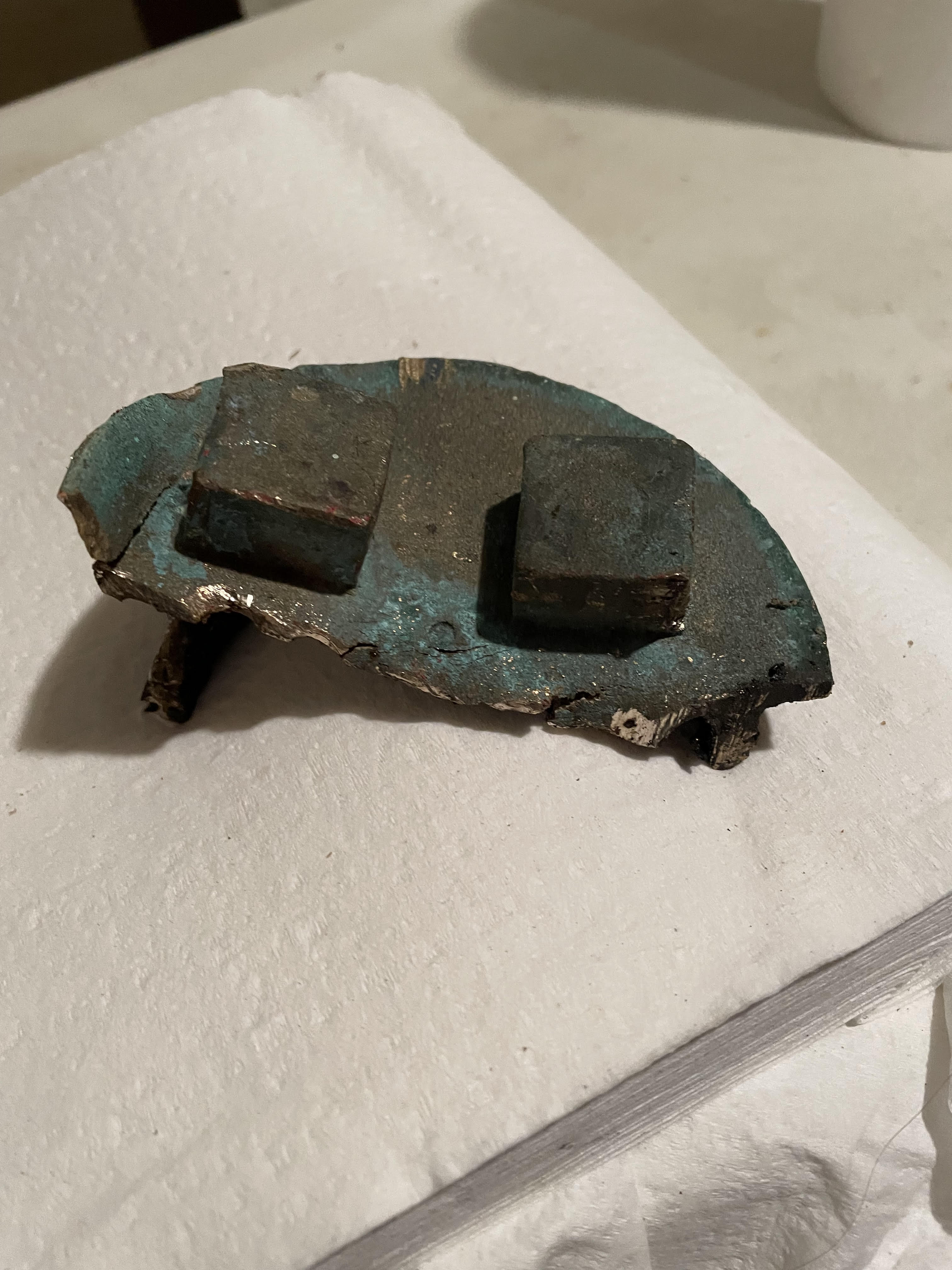
A seized sewer cleanout cap turns a fast fix into a real problem. Here's how Lucky Dog cuts out a frozen cap and replaces it with one you can open.
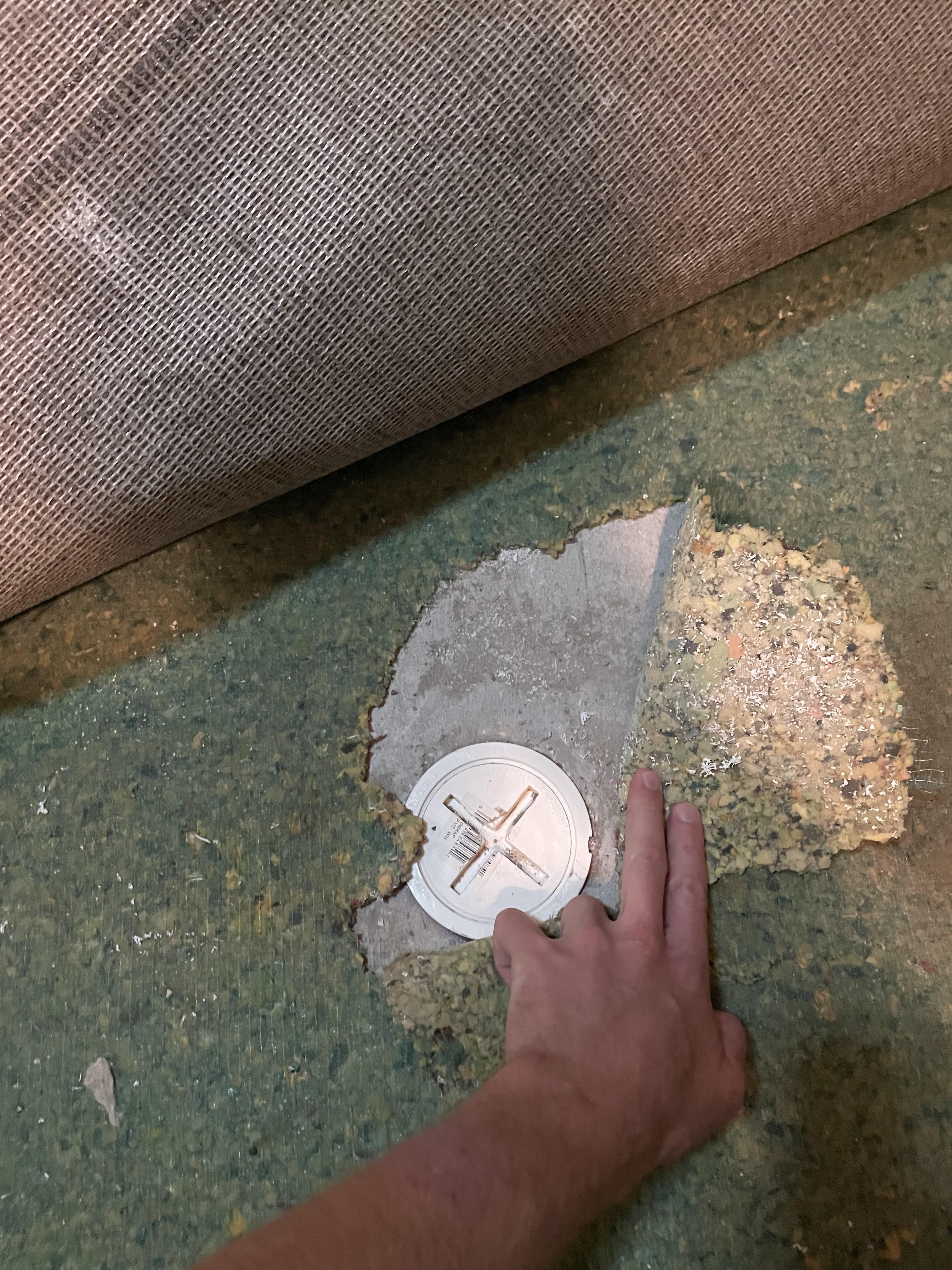
Remodelers cover sewer cleanouts with carpet, tile, and drywall more often than you'd think. Here's how to find yours, and why it matters in older homes.
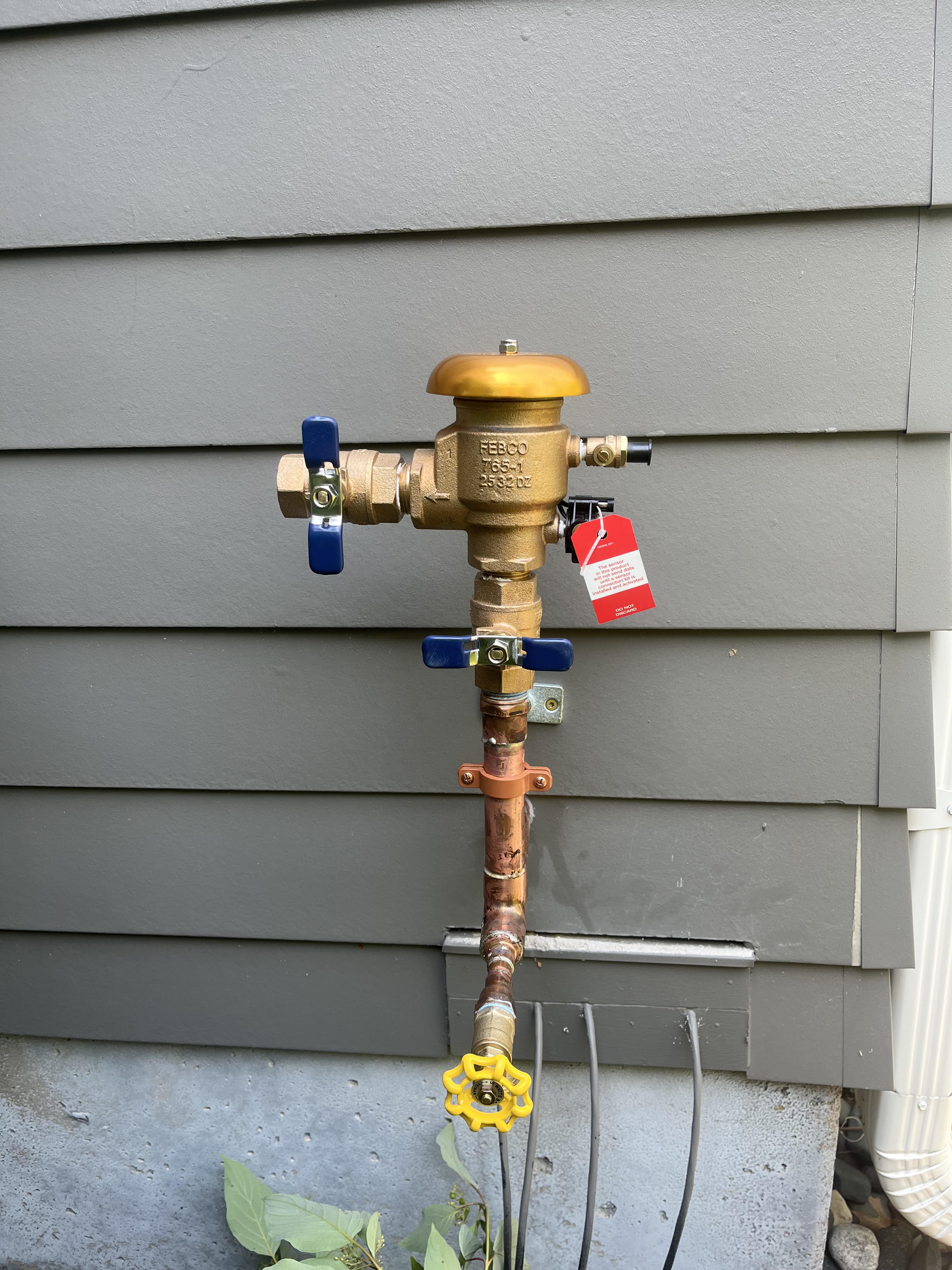
New irrigation system in Edina, St. Louis Park, or Bloomington? Minnesota code requires a backflow preventer, a permit, and annual testing every year.
In a real estate transaction, time and momentum matter. Anything that slows things down can create unnecessary friction and potentially put the deal at risk.
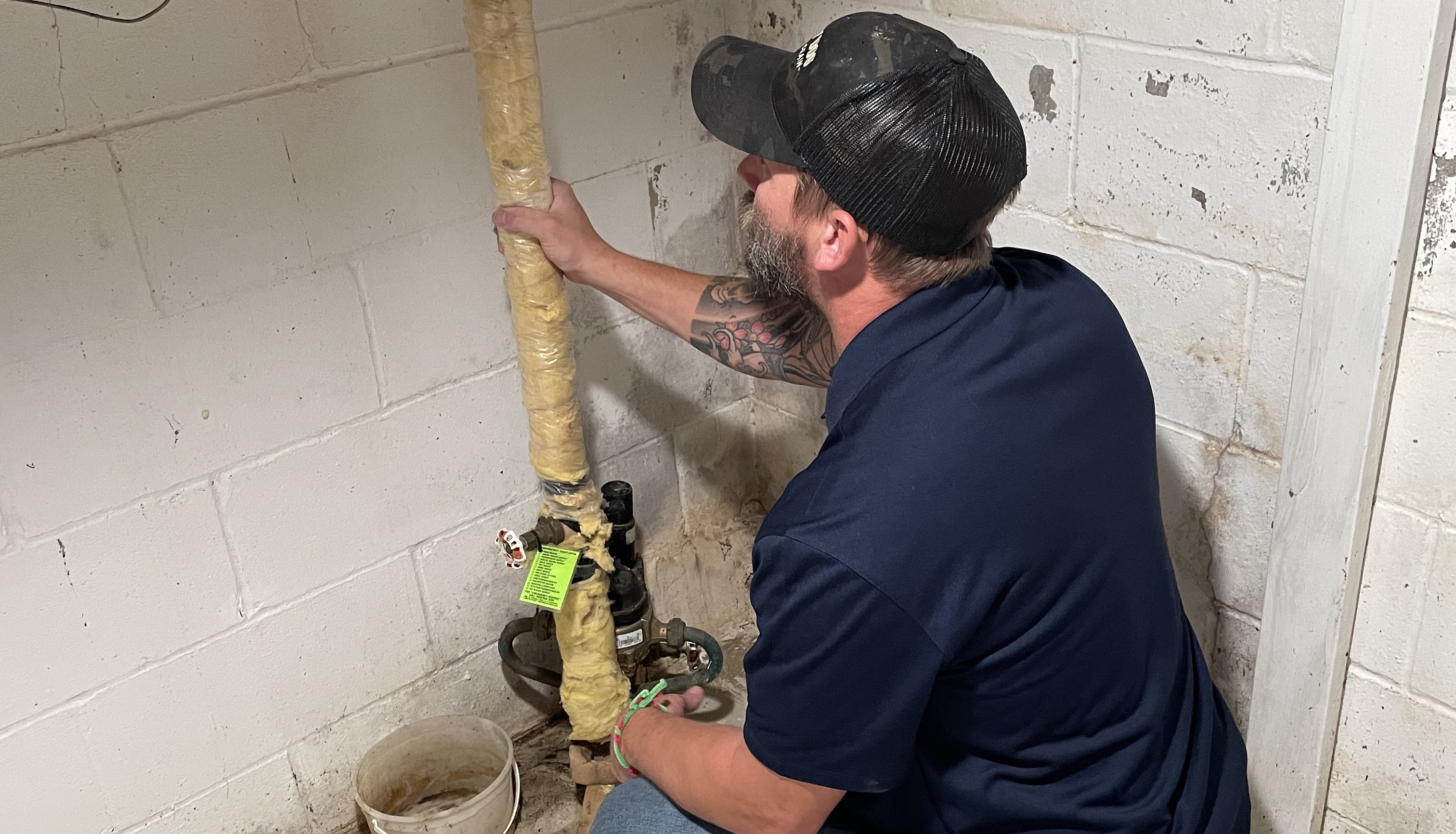
If you live in Minnetonka and recently received a letter about replacing your water meter, you’re not alone. The City of Minnetonka began a multi-year water...

Before you hire anyone to clear a drain, make sure you know the ins and outs of work warranties.