Tree Roots in Your Sewer Line: Why It Happens and What to Do
If you live in an older west metro neighborhood with big, beautiful boulevard trees, root intrusion is the single most likely reason your sewer line will...


If you live in an older west metro neighborhood with big, beautiful boulevard trees, root intrusion is the single most likely reason your sewer line will back up. It's the most common main line problem we find in St. Louis Park, Edina, Minneapolis , and Golden Valley, and it's no accident. It's old pipe under old trees that are searching for water and nutrients.
Why roots get into your sewer line
Your sewer lateral is the wettest, most nutrient-rich target in your yard, especially in winter, when it's the warmest, most humid thing underground. Tree roots grow toward exactly that. They can't penetrate a sound, sealed pipe, but they don't need to: the older clay tile and cast-iron lines under most pre-1960 homes have joints every few feet, and decades of freeze-thaw have opened tiny gaps at those joints. A root finds the gap, slips in as a thread, and then thrives and grows in the water and nutrients inside. Over a season or two, that thread becomes a dense mat that starts catching what’s flushing past it until the line backs up.
The warning signs
Roots rarely block a line all at once. They give you a slow warning:
gurgling toilets, or drains that empty slowly across the whole house
a floor drain that starts backing up
a main line that backs up at the same time every year, usually spring, when the thaw saturates the soil
repeated backups that clear for a while, then return
a faint sewage smell in the basement or yard
If your backups have a seasonal rhythm or occur during heavy water usage, roots are the prime suspect.
What actually clears roots and what doesn't
Cabling cuts a path through the root mat and restores flow quickly. It's the right first step for an active backup.
Hydro jetting uses high-pressure water to scour the roots back to the pipe wall and flush the line closer to its full diameter. It’s a more thorough clear that might buy you more time before they grow back.
Chemical “root killers” sold at the store that rarely reach or clear an established root mat. They can damage your pipes and pose a safety hazard for drain technicians. Skip them.
The honest truth: cleaning removes the roots that are there, but as long as the crack exists, roots will eventually return. That's not a failure of the cleaning; it's the nature of an old line. The question is how to manage it.
How to stop the sewer backups
You have two paths, and we'll show you the camera footage so you can choose:
Manage it. If the pipe is otherwise sound, a scheduled cleaning once a year helps keep roots from growing big enough to cause a back up. For a lot of homeowners with a healthy old line, this is the lowest cost answer, and it's exactly what our maintenance membership is built for.
Fix the pipe. If the camera shows the joints are badly broken or the line is failing, a trenchless lining or a spot repair seals out the roots permanently. We'll scope it, record what we find, and point you to repair specialists we trust.
The Lucky Dog approach to roots
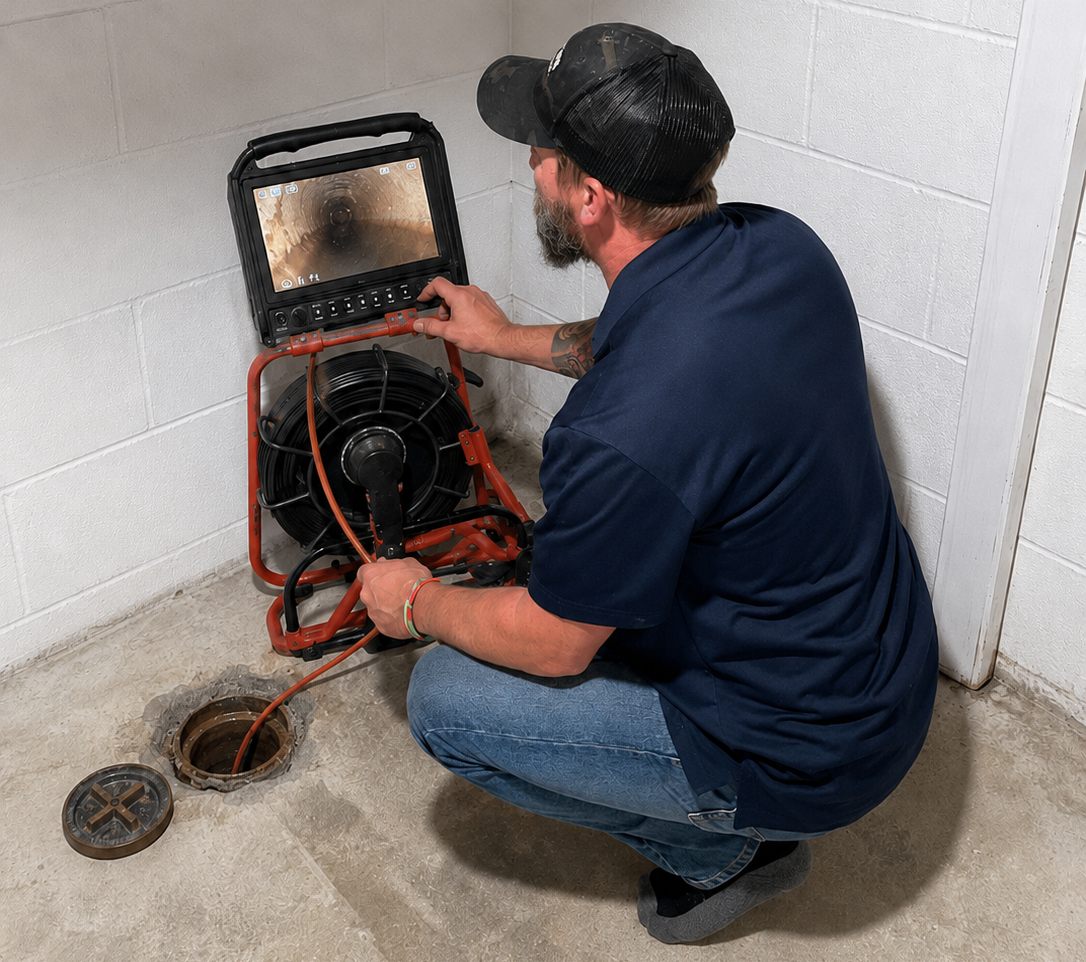
On every main line, we run a camera so you can see the roots and the condition of the pipe, not just take our word for it. We clear the line, show you the before-and-after, and give you a straight recommendation: manage it on a schedule, or fix the pipe. No scare tactics, and no pushing for a repair if a maintenance membership is a better option for you.
Roots backing up your line? Call or text Lucky Dog. We'll clear it, scope it, and show you exactly what's down there.
Read similar articles
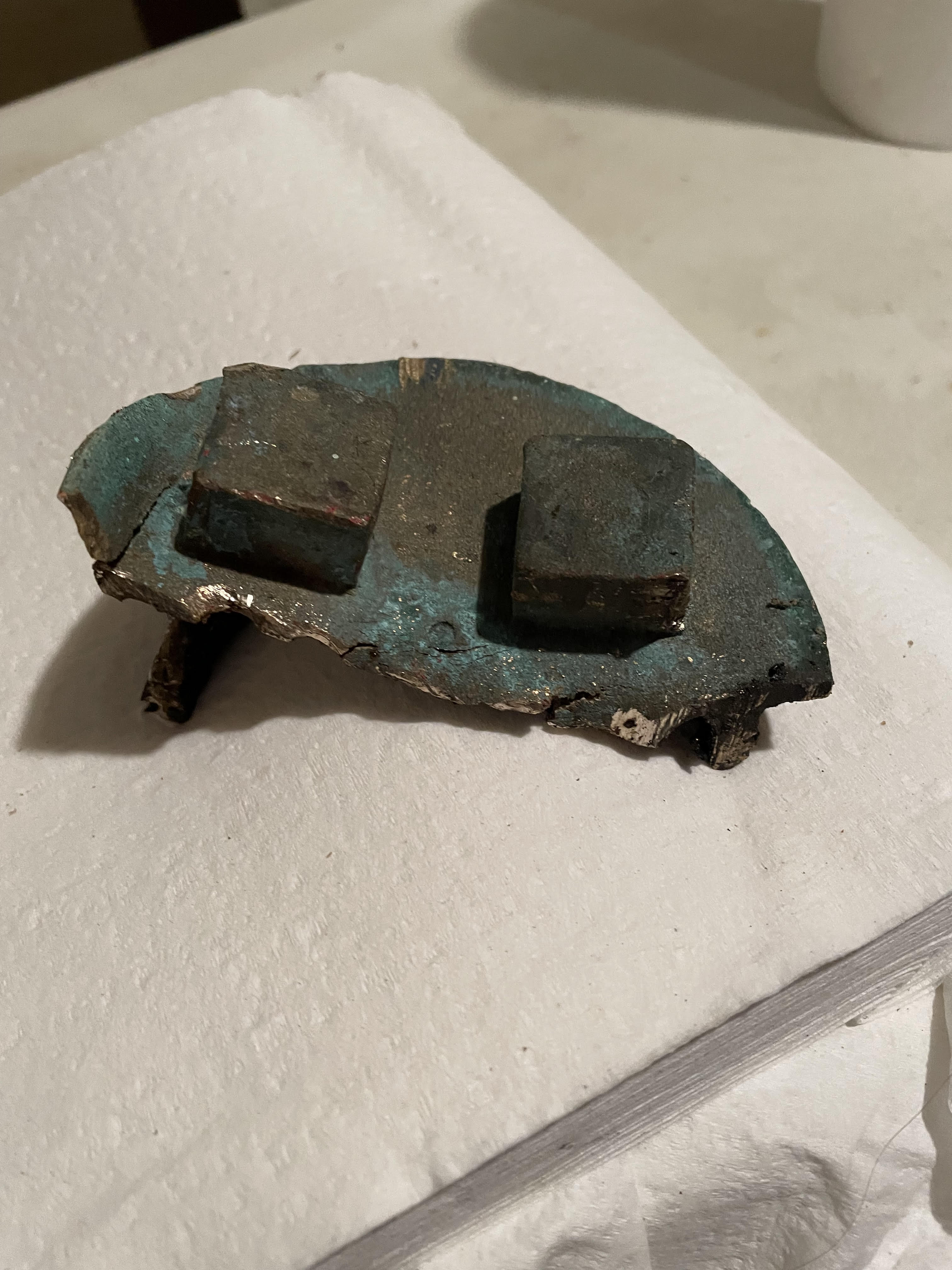
A seized sewer cleanout cap turns a fast fix into a real problem. Here's how Lucky Dog cuts out a frozen cap and replaces it with one you can open.
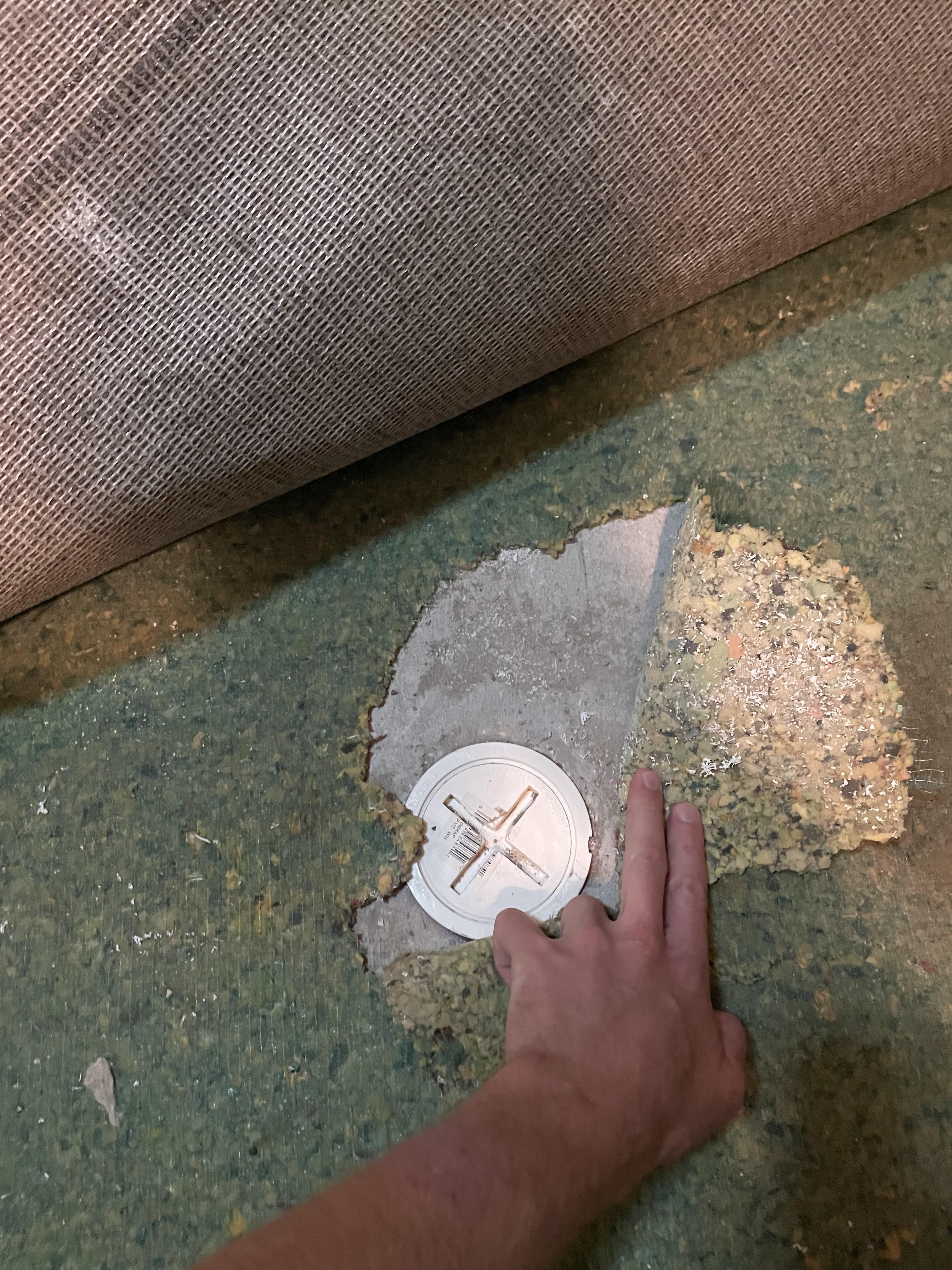
Remodelers cover sewer cleanouts with carpet, tile, and drywall more often than you'd think. Here's how to find yours, and why it matters in older homes.
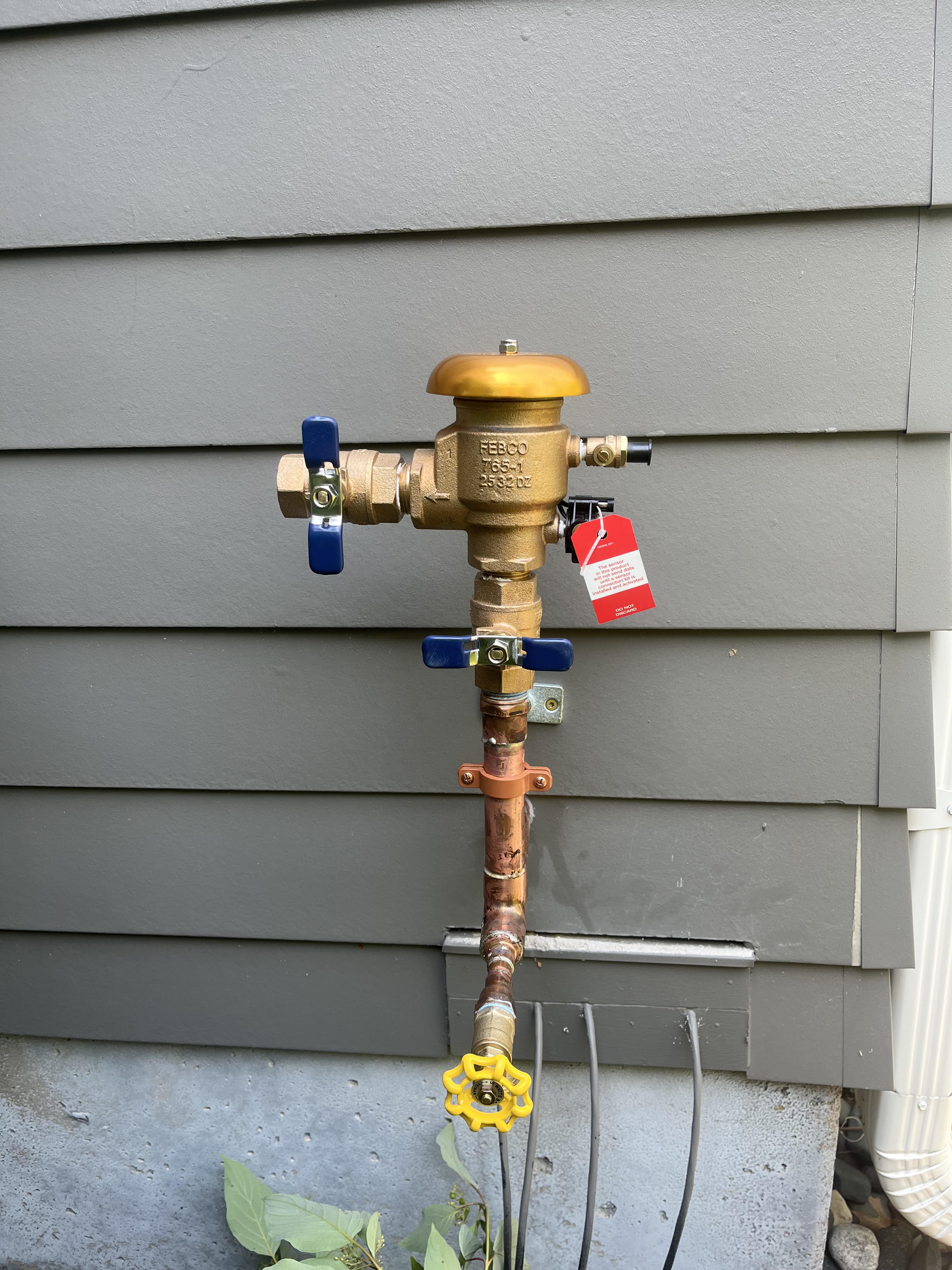
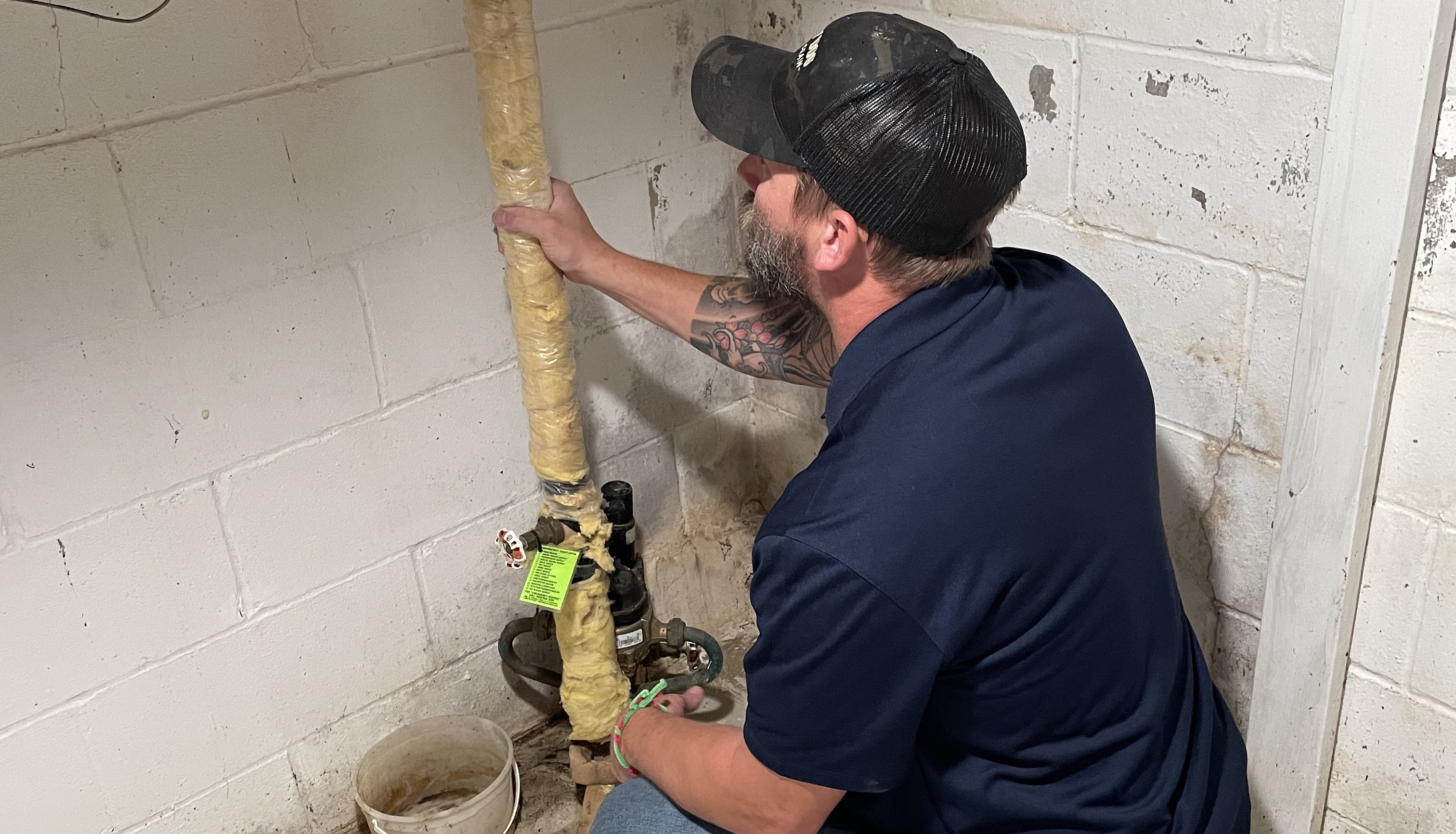
New irrigation system in Edina, St. Louis Park, or Bloomington? Minnesota code requires a backflow preventer, a permit, and annual testing every year.
In a real estate transaction, time and momentum matter. Anything that slows things down can create unnecessary friction and potentially put the deal at risk.
If you live in Minnetonka and recently received a letter about replacing your water meter, you’re not alone. The City of Minnetonka began a multi-year water...

Before you hire anyone to clear a drain, make sure you know the ins and outs of work warranties.