
A Century Underground: The Sewer Lines of Edina's Country Club and Morningside
Most of Edina is a postwar suburb, built out in the 1950s and 1960s with relatively young sewer lines. But two neighborhoods are a full generation older,...


Most of Edina is a postwar suburb, built out in the 1950s and 1960s with relatively young sewer lines. But two neighborhoods are a full generation older, and they hold some of the most interesting sewer history in the entire west metro. If you own a home in the Country Club District or in Morningside, the pipe under your yard was very likely installed in the 1920s or earlier, and in one case we can nearly name the year. Edina’s oldest home, the 1869 Jonathan Taylor Grimes House, sits on West 44th Street in Morningside, which is not far from the 1886 Baird House, the grand Victorian home in Edina’s Country Club neighborhood.
The Country Club District: sewers laid before the first house was sold
The Edina Country Club District was one of the first planned communities in Minnesota, and its developer did something unusual for the time. Between 1922 and 1924, Samuel Thorpe and Thorpe Brothers Realty spent over a million dollars laying out the neighborhood, and they installed the water, gas, underground electrical wiring, and sewers before a single lot was placed on the market. Thorpe even organized a private water and sewer company in 1923 under a franchise from the Village of Edina. The homes were then built mostly between 1924 and 1941, in the Colonial, Tudor, Georgian, and Mediterranean Revival styles the district is known for.
This is the rare neighborhood where the pipe age is not a guess. The original sewer laterals in the Country Club District were installed around 1923 and 1924, which makes them roughly a century old today, and they began life as part of a private system before the village took it over.
The finished basement problem
There is a second wrinkle that is specific to high value Edina homes: most Country Club houses have finished basements. A main line backup that would be a nuisance in an unfinished basement becomes a five-figure restoration claim when it floods a finished lower level with sewage. The combination of century old clay laterals and finished basements is exactly why a proactive camera inspection makes more financial sense here than almost anywhere else.
Morningside: the village that seceded, and rejoined, over sewers
Morningside is Edina's oldest neighborhood, and its entire municipal history turns on the sewer question. Its lots were first platted in 1905, right as the streetcar reached this corner of Edina, and between about 1905 and 1936 developers built several hundred single family homes, many of them bungalows. Morningside then voted to secede from Edina in 1920 to become its own village, because it wanted urban services that the rural Edina council would not fund. In 1966, it voted to rejoin Edina, in part because building a sewage system for such a small village had become impractical. To this day, Morningside's water system is tied to Minneapolis rather than Edina, a leftover from its independent years.
For homeowners, the takeaway is simple. Morningside laterals are among the oldest in the area, roughly 1905 to 1936, on par with or older than the Linden Hills neighborhood just across the border. That is original clay, and it has been in the ground for a century. (Morningside is part of Edina but shares the 55416 ZIP code with parts of Minneapolis and St. Louis Park.)
What a century of clay means
Clay is a durable material, and plenty of these hundred-year-old lines still work. But clay is laid in short sections with mortar joints, and after a century of Minnesota freeze and thaw, those joints have almost always separated enough for roots to find them. The mature, manicured landscaping these neighborhoods are famous for is, unfortunately, exactly what feeds root intrusion into an old clay line. The pipe body may be fine; the joints are usually where the trouble starts.
What to do if you own a home in Country Club or Morningside
If your home is original to either neighborhood, your sewer lateral is very likely original clay from the 1920s or earlier, and given the finished basements common here, knowing its condition is worth the small cost of finding out. A camera inspection tells you whether the line is holding up or quietly separating, before a backup makes the decision for you.
At Lucky Dog Sewer & Drain we handle these homes the way they deserve. We clear the line, run a camera so you can see the condition yourself, and quote a flat rate before we start, with clean boots and drop cloths and a technician you can actually reach. If the footage shows something beyond a cleaning, we show you the same screen and point you to an honest fix. Our free 12-Point Drain Health Assessment™ documents and grades exactly what we find similar to your auto mechanic’s multi-point inspection.
Own a home in Country Club or Morningside? Contact Lucky Dog Sewer & Drain for a camera inspection and camera proof of exactly what is happening in your line.
Read similar articles
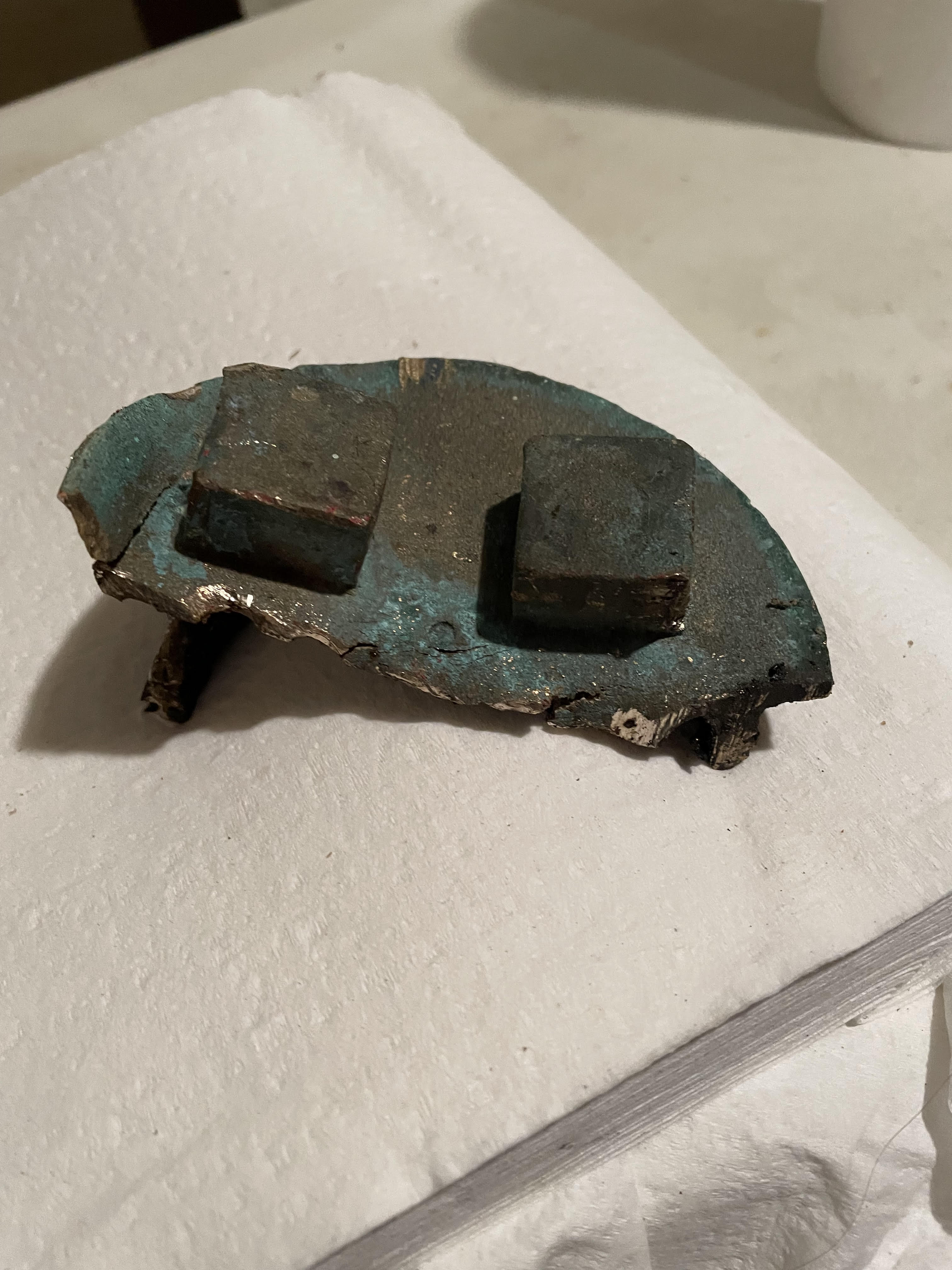
A seized sewer cleanout cap turns a fast fix into a real problem. Here's how Lucky Dog cuts out a frozen cap and replaces it with one you can open.
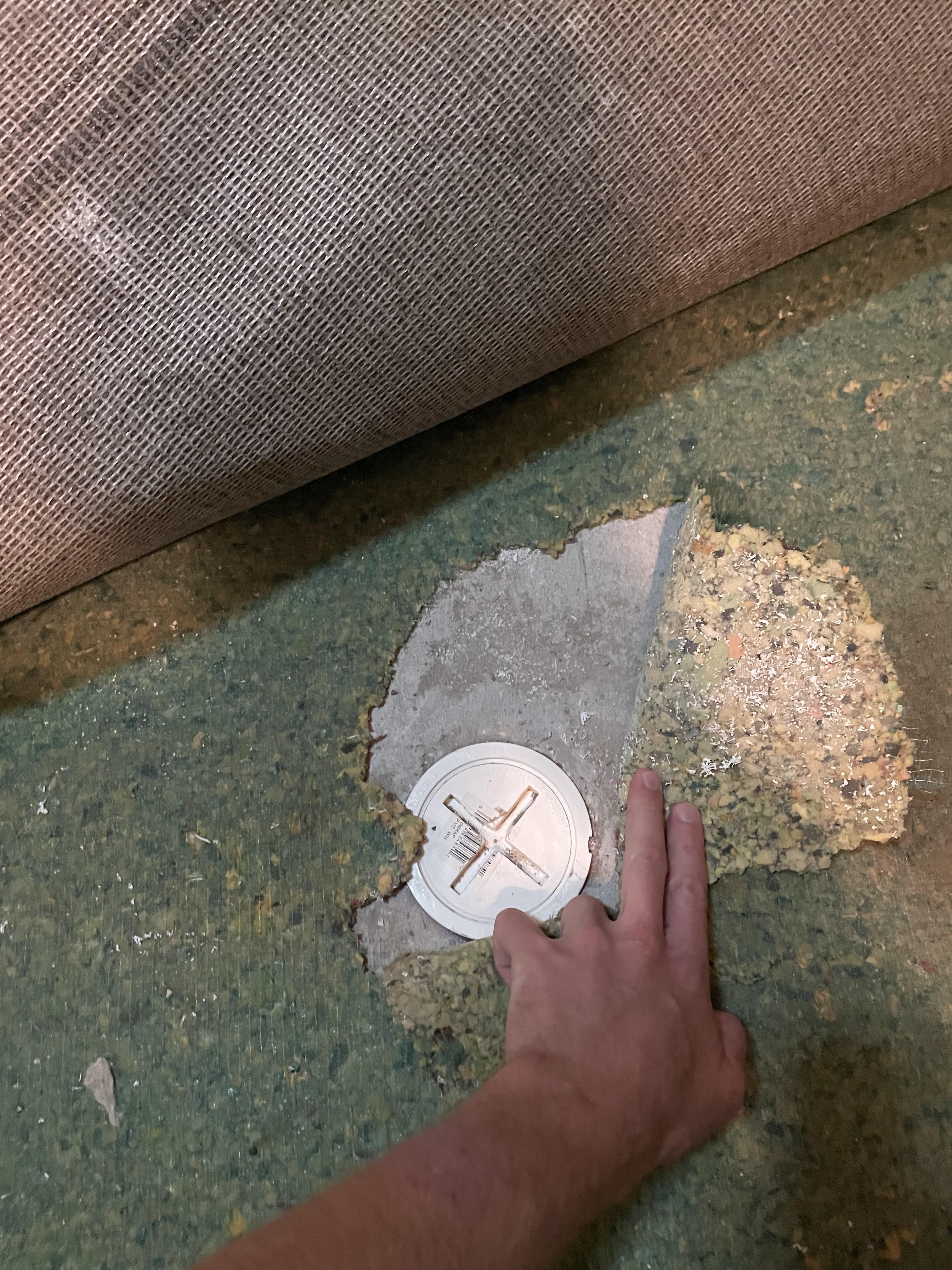
Remodelers cover sewer cleanouts with carpet, tile, and drywall more often than you'd think. Here's how to find yours, and why it matters in older homes.
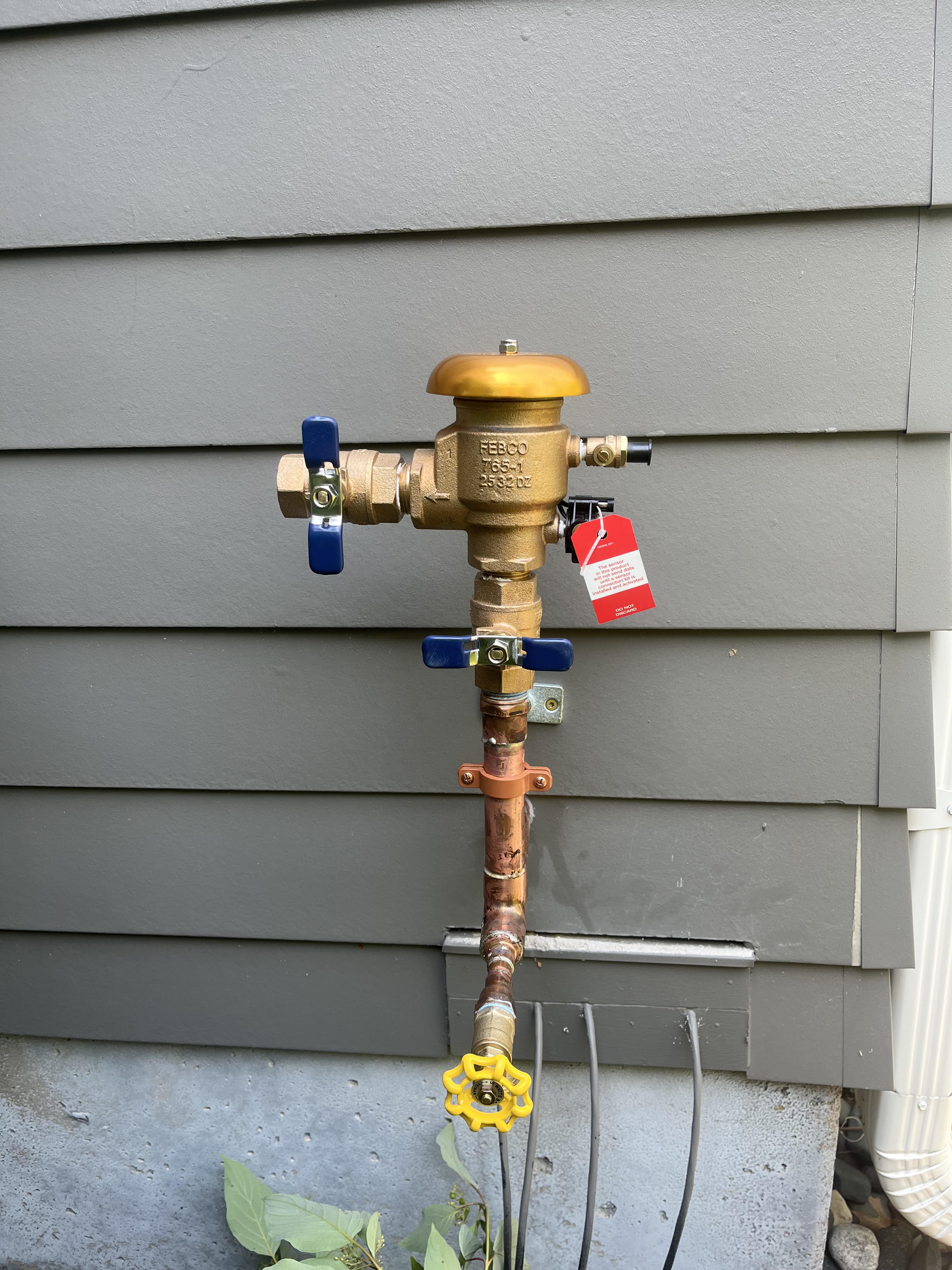
New irrigation system in Edina, St. Louis Park, or Bloomington? Minnesota code requires a backflow preventer, a permit, and annual testing every year.
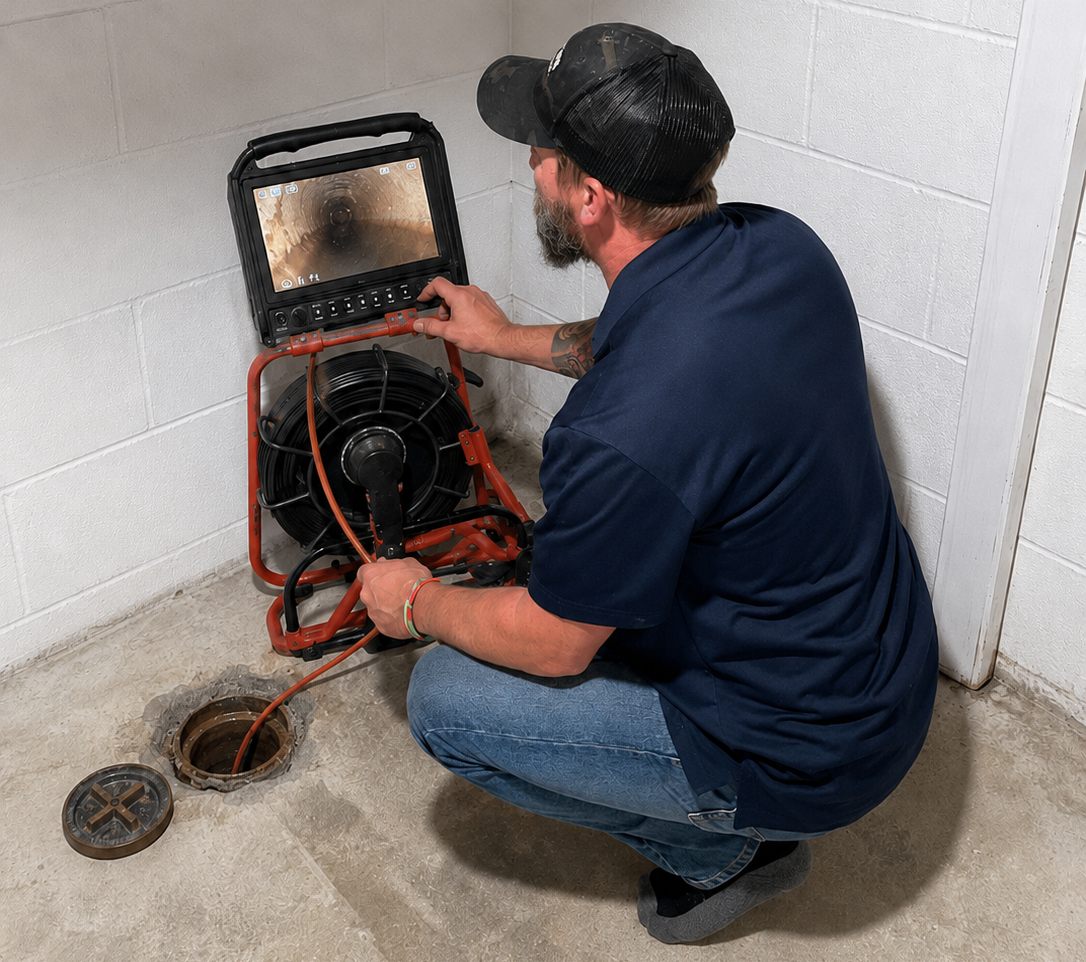
In a real estate transaction, time and momentum matter. Anything that slows things down can create unnecessary friction and potentially put the deal at risk.
If you live in Minnetonka and recently received a letter about replacing your water meter, you’re not alone. The City of Minnetonka began a multi-year water...

Before you hire anyone to clear a drain, make sure you know the ins and outs of work warranties.