Should You Get a Sewer Inspection Before Buying a Home?
You're about to buy a home, and you've ordered a home inspection. Here's what most buyers don't realize: a standard home inspection does not include the...


You're about to buy a home, and you've ordered a home inspection. Here's what most buyers don't realize: a standard home inspection does not include the sewer line. The inspector checks what they can see and reach, but they don't typically put a camera down the sewer line. The sewer lateral is, by a wide margin, the most expensive hidden problem an older home can have. On a pre-1960 west-metro house, a separate sewer scope is one of the smartest few hundred dollars you can spend before closing.
Why the sewer line is the gap in a normal inspection
A home inspector evaluates the roof, the furnace, the electrical, the visible plumbing, which are the things they can easily observe. The sewer lateral is buried underground from the house to the street, invisible and unreachable without an expensive sewer camera. So, unless you specifically order a sewer camera inspection, you're buying the house with no idea what condition that pipe is in. And on an older home, that pipe is often original clay or cast iron, 60 to 100 years old.
What's at stake
We covered the numbers in our guide to sewer repair costs: a failed lateral runs from about $4,000 to $40,000, most commonly $8,000–$15,000. That's not a problem you want to discover weeks after you move in. A sewer scope before closing turns an invisible, deeply stressful unknown into a known quantity and one that you can negotiate over, plan for, or walk away from.
What a pre-purchase sewer scope shows you
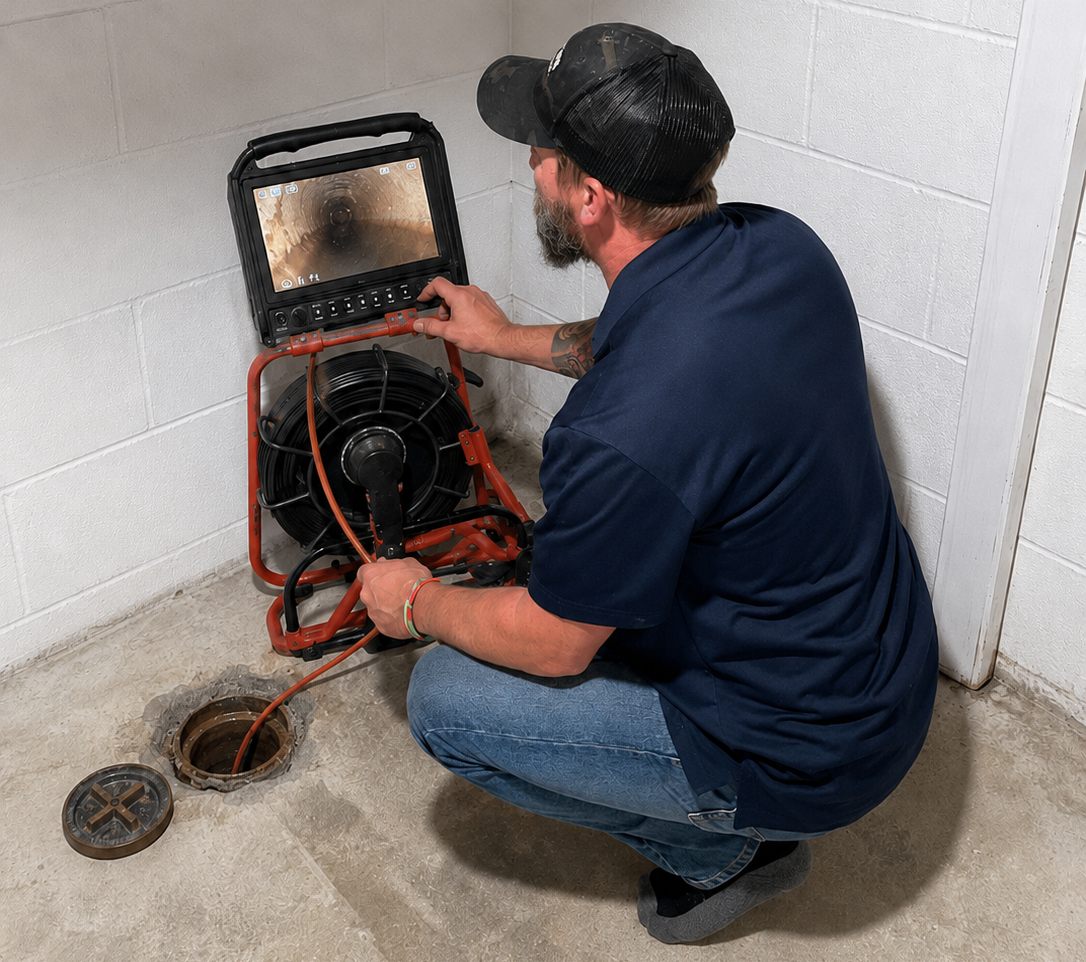
We run a camera the full length of the lateral, from the house to the city main, and you (or your agent) get to see exactly what's there:
tree roots, and how severe
cracks, breaks, or collapsed sections
bellies (low spots where the line sags and will clog repeatedly)
offset or separated joints
the pipe material and its overall condition
whether there's even an accessible cleanout
You get the recorded footage and a plain-English summary you can use at the negotiating table.
How buyers use the results
Clean line: peace of mind. You close knowing the most expensive hidden system is sound.
Roots or minor issues: you know to budget for a cleaning or a maintenance plan, which is probably a small, manageable number.
A real defect: now you have leverage. Buyers routinely negotiate a price reduction or a seller-paid repair when a scope turns up a broken lateral. The scope often pays for itself many times over right there. We typically recommend repairing the line rather than negotiating the price down, because sewer repairs can increase in cost over time, particularly when the underlying condition worsens with time.
Selling instead of buying?
The same logic runs in reverse. A pre-listing sewer scope lets you fix or disclose a problem on your terms instead of having a buyer's inspection blow up your deal at the last minute when good sewer contractors are completely booked out for the next month . A clean scope can also be a selling point on an older home.
For real estate agents
We work with west metro agents on fast-turnaround sewer scopes for listings and buyer inspections, with forwardable reports and recorded footage your clients can keep. If you'd like a standing scope rate for your transactions, take a look at our pricing page on the website or give us a call.
Buying or selling an older home? Scope the line before you sign. Call or text Lucky Dog to book a pre-purchase sewer inspection.
Read similar articles
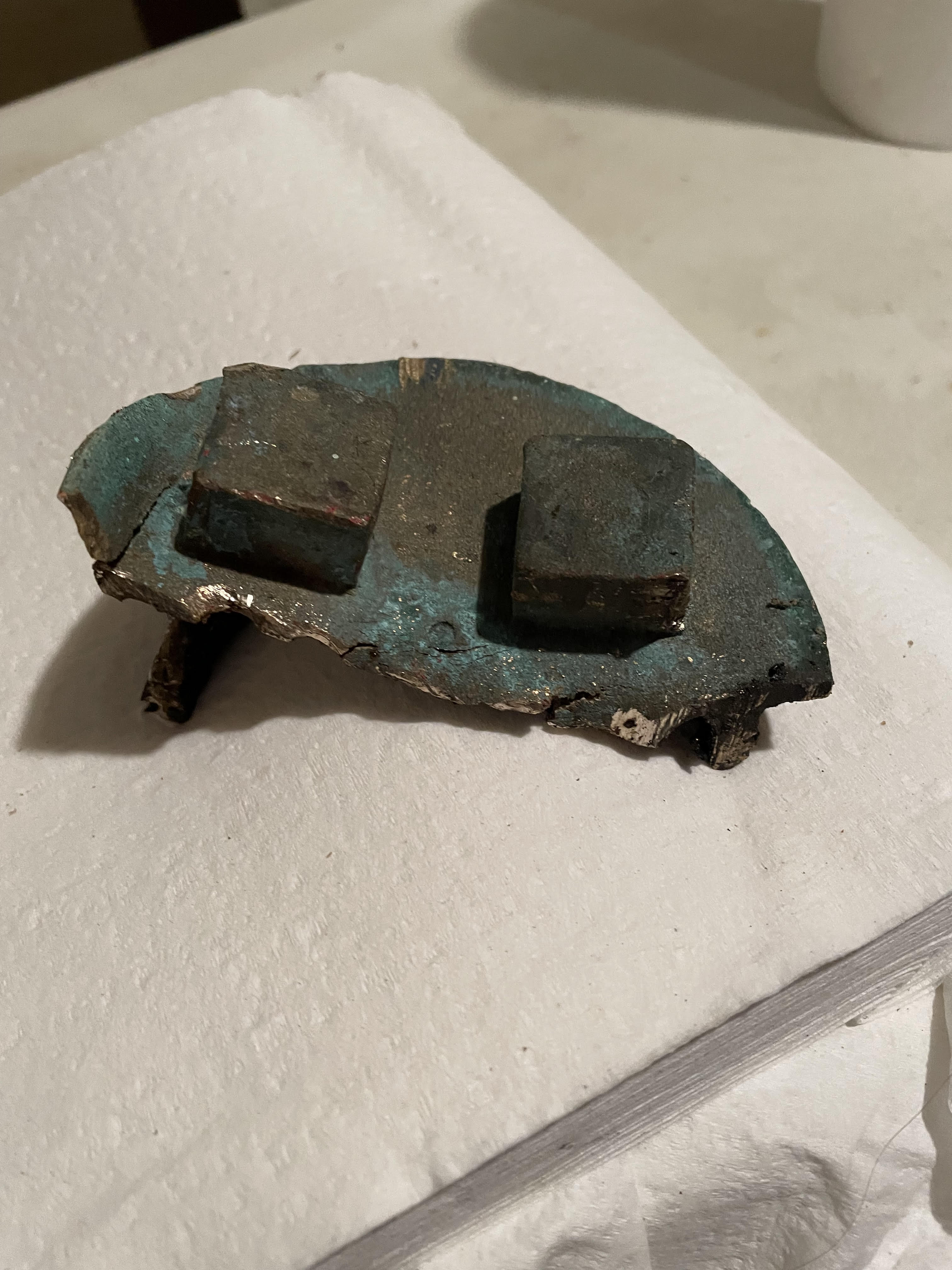
A seized sewer cleanout cap turns a fast fix into a real problem. Here's how Lucky Dog cuts out a frozen cap and replaces it with one you can open.
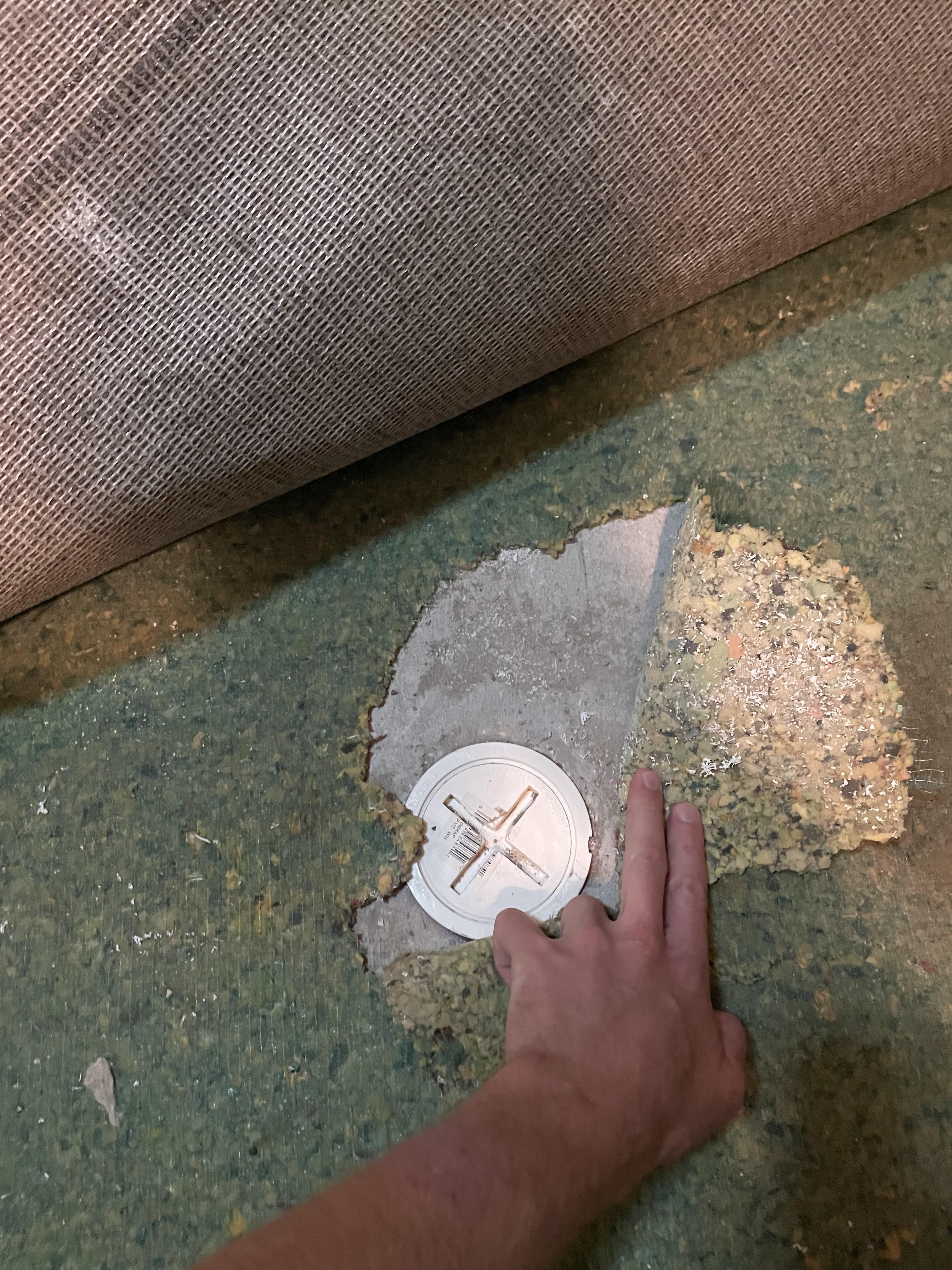
Remodelers cover sewer cleanouts with carpet, tile, and drywall more often than you'd think. Here's how to find yours, and why it matters in older homes.
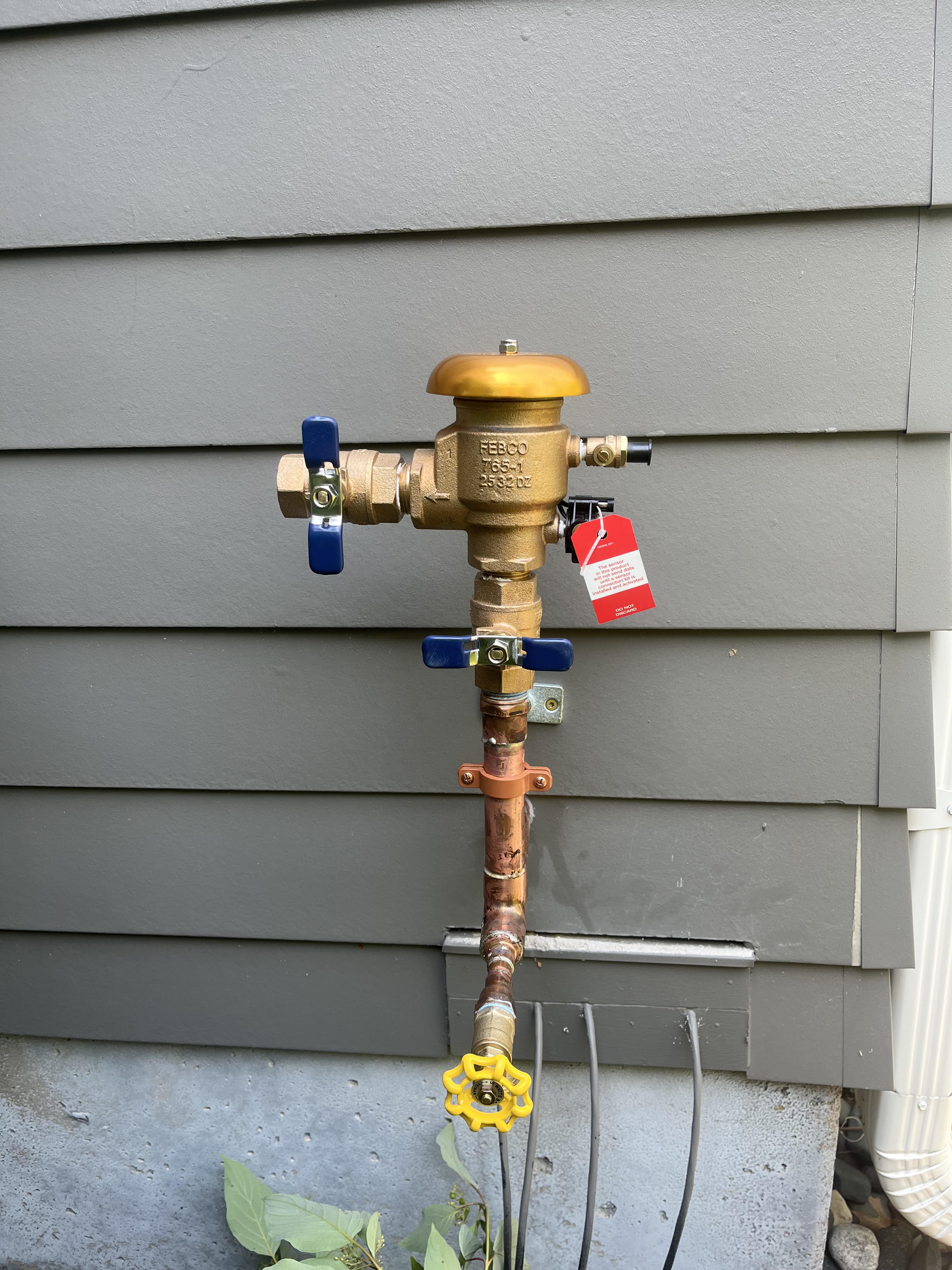
New irrigation system in Edina, St. Louis Park, or Bloomington? Minnesota code requires a backflow preventer, a permit, and annual testing every year.
In a real estate transaction, time and momentum matter. Anything that slows things down can create unnecessary friction and potentially put the deal at risk.
If you live in Minnetonka and recently received a letter about replacing your water meter, you’re not alone. The City of Minnetonka began a multi-year water...

Before you hire anyone to clear a drain, make sure you know the ins and outs of work warranties.