Should You Hydro Jet Your Sewer Line or Replace It?
Should you hydro jet your sewer line or replace it? How a Twin Cities HOA weighed backups, pipe condition, cost, and risk, and when jetting stops making sense.

We recently worked through this question with a property manager who handles homeowners associations in the Twin Cities. A sewer line had backed up through a basement floor drain after heavy rain. Another company had already cabled the line and run a camera through it. The property manager sent us the video and the diagnosis and asked for a second opinion: should they hydro jet it?
Here’s how we answered, and how to think about the same decision for your own property.
What the camera showed
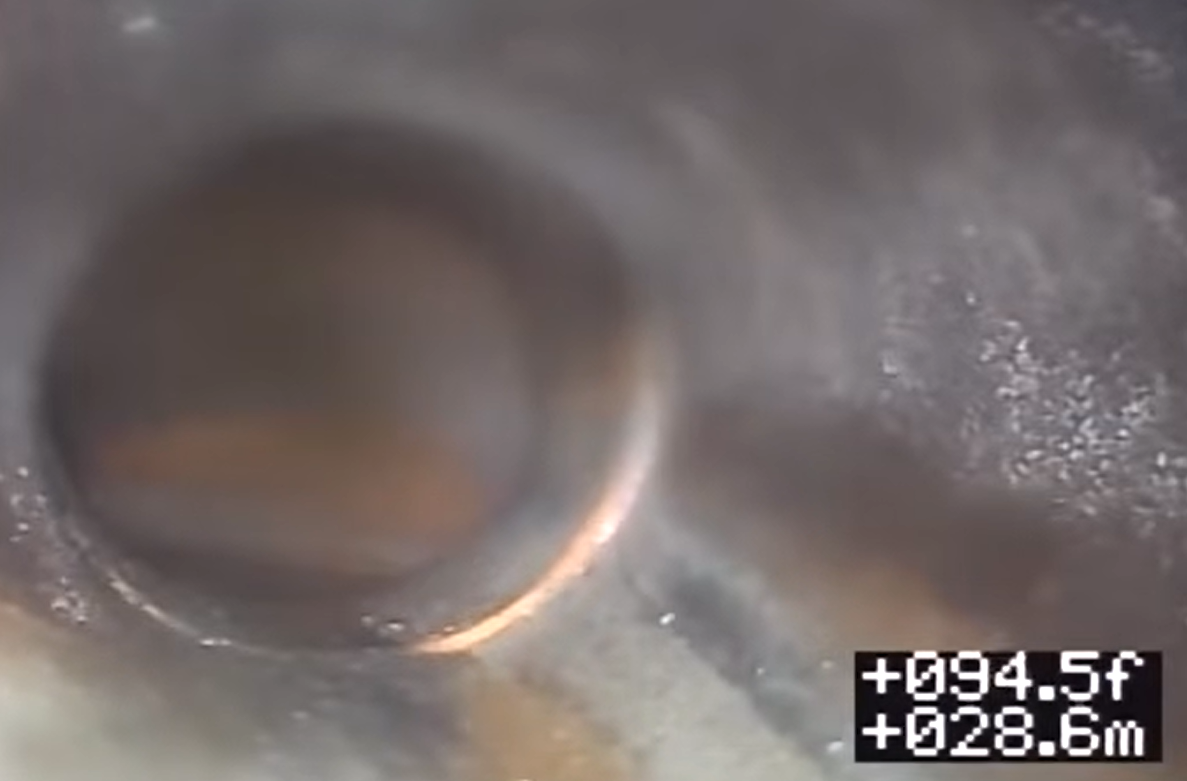
The video showed a section of back pitch: pipe that slopes the wrong way, toward the house instead of toward the street. Water and waste settle in that section instead of draining through it. Over time, that standing water collects grease, paper, and debris until the line blocks.
Hydro jetting can clean that section out and get the line flowing again. It can’t change the slope of the pipe. As soon as the jetting is done, the low spot starts filling again.
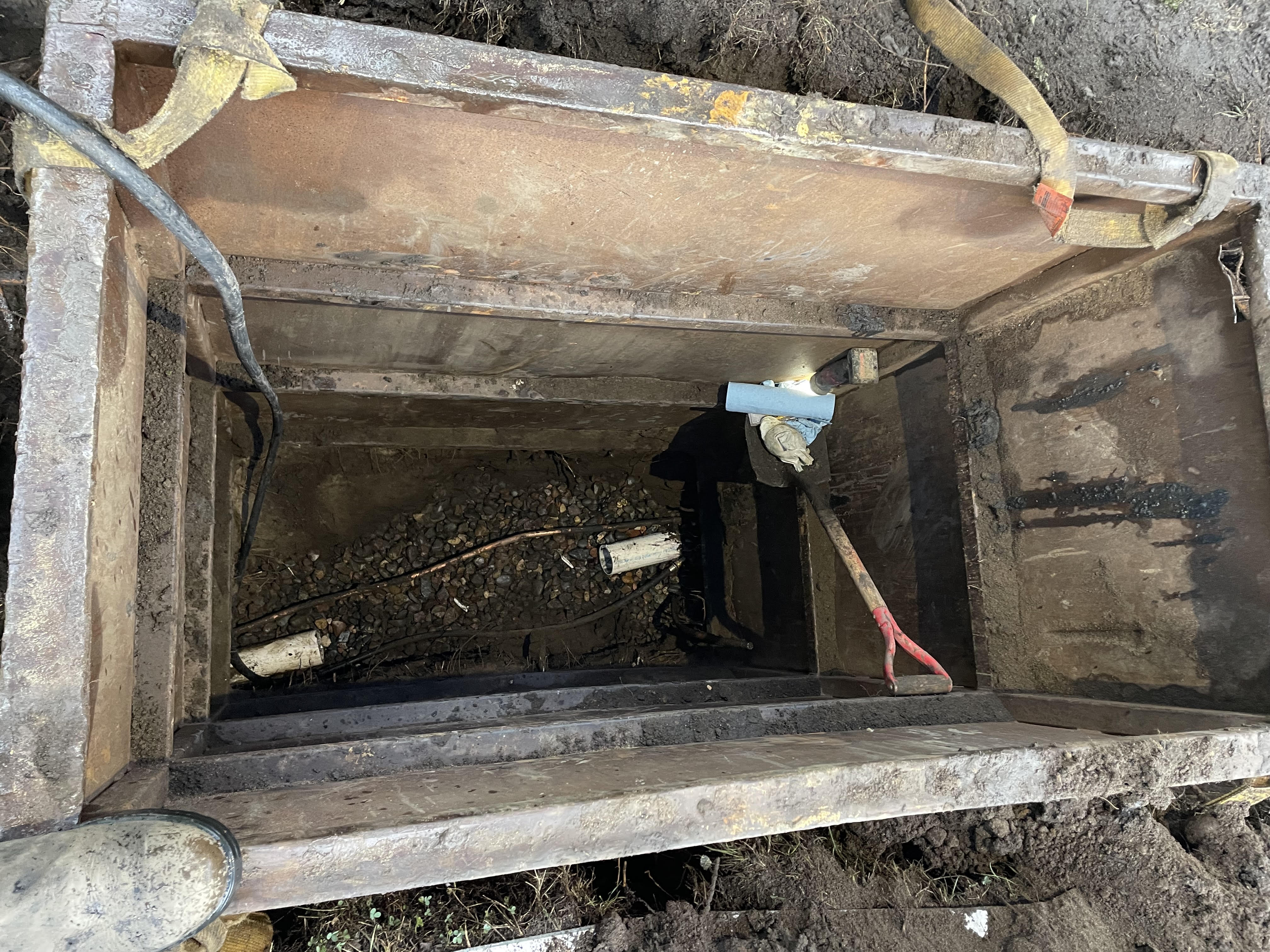
Our recommendation was straightforward. Jetting would be a temporary fix. A permanent fix means locating the section, inspecting it again, then excavating and replacing it at the correct pitch.
“How long will jetting fix it?”
That was the property manager’s next question, and it’s the right one to ask. The honest answer is that nobody can say without knowing the pipe’s history. A line that backed up once in 15 years is a very different bet than one that has backed up twice in two years.
Our rule of thumb: two or more backups on the same line means it’s time to repair or replace it. At that point, the pipe is telling you the problem isn’t going away.
Five questions that decide it
- How often has the line backed up? One backup can be a one-off. Repeat backups usually point to a structural problem.
- Has hydro jetting worked in the past? If past cleanings bought years of trouble-free service, jetting may still be the right call. If the line clogs again within months, it isn’t.
- Is the pipe structurally sound? Roots and grease can be cleaned out. Back pitch, bellies, breaks, and collapsed sections can’t. A camera inspection answers this.
- What’s the budget? Jetting costs less today. Replacement often costs less over time (see the math below).
- How much risk of another backup is acceptable? A storage room floor drain is a different risk than a finished basement or an occupied rental unit.
The economics: jetting vs. replacement
Some owners choose to clean a problem line every year for 20 years and never address the underlying issue until they’re forced to. That can work. It’s also a risky bet.
For a line like the one in this case, typical costs look like this:
- Hydro jetting: $1,000 to $2,500, every time the line needs it, often every year.
- Excavation and replacement of the problem section: $5,000 to $7,500, once.
At those numbers, three to five jettings cost about as much as fixing the pipe. Jetting prices also rise with inflation every year, while a replacement is a one-time cost. And the jetting math doesn’t include the cost of a backup that happens between cleanings.
The cost of guessing wrong
A backup isn’t just a plumbing bill. Sewage in a finished basement means cleanup, restoration, new flooring, and drywall. In a rental unit or HOA property, it’s a biohazard for residents and a liability for the association. One serious backup can cost more than the replacement that would have prevented it.
That’s why the decision shouldn’t be made on today’s invoice alone.
The right answer isn’t always the most expensive one
Sometimes jetting is the right call. A structurally sound pipe with grease or root buildup can often be kept in service for years with regular cleaning. Sometimes a spot repair fixes the problem for a fraction of a full replacement. And sometimes, as in this case, the pipe itself is the problem and no amount of cleaning will fix it.
At Lucky Dog Sewer & Drain, our job is to educate, inform, and lay out your options with an honest risk assessment for each. We help Twin Cities homeowners, HOAs, and property managers decide based on pipe condition, maintenance history, and budget.
Got a sewer video or a quote you’re not sure about? Send it to us for a second opinion, or book a camera inspection and we’ll walk you through what we find.
Read similar articles

A Hopkins homeowner lost gas and hot water after CenterPoint found basement leaks. How Lucky Dog had a plumber there in an hour and got gas restored the same day.
Should you hydro jet your sewer line or replace it? How a Twin Cities HOA weighed backups, pipe condition, cost, and risk, and when jetting stops making sense.

A restaurant sewer backup costs far more than the drain cleaning. A real Edina case shows how preventive hydro jetting protects revenue, tenants and leases.

Buying a home in Minnetonka, Edina or the West Metro? 5 plumbing issues inspectors often miss, from old water heaters to seized sewer cleanouts, and what they cost.
A sewer liner is one of the most expensive quotes a homeowner will see. When a liner makes sense, when it might not, and questions to ask before you sign.
Your drain tech says "belly" and "offset." Here's what each sewer camera finding means, how serious it is, and the typical fix.