How Much Does Sewer Line Repair Cost?
Sewer line repair is one of the most expensive things that can happen to a house, and the price range is wide enough to be alarming: anywhere from about...


Sewer line repair is one of the most expensive things that can happen to a house, and the price range is wide enough to be alarming: anywhere from about $4,000 to $40,000. Most homeowners land in the middle. Here's how that range breaks down, what pushes a job toward one end or the other, and how to make sure you actually need the repair before you pay for it.
The honest range
In the Twin Cities, sewer lateral repair and replacement generally runs:
Roughly $4,000–$40,000 across all jobs
Most commonly $8,000–$15,000 for a typical residential lateral that’s 60-90 feet long
A minor spot repair of one bad section sits at the low end. A full replacement of a long, deep line running under a driveway, mature trees, or a finished basement sits at the high end. Where your home falls depends on a handful of specific factors.
What drives the cost
Length and depth. A short, shallow lateral is far cheaper to access than a long one buried deep.
What's on top of it. Excavating a flat, grassy yard is easy; digging up a driveway, sidewalk, mature landscaping, or a finished basement floor is more difficult and the restoration and replacement costs alone adds thousands.
The method. Trenchless options typically cost more per foot to install but eliminate the cost of excavation, meaning that they’re typically 2-4x cheaper than traditional excavation methods.
How much pipe is bad. One cracked joint is a spot repair. A crumbling clay line end-to-end or long section of pipe with a belly means more excavation, more labor hours, and a more costly repair.
City permits. Most west metro cities require permits and inspection for sewer work and some are significantly more expensive than others (e.g., St. Paul and Minneapolis). Depending on the specifications and requirements of the repair, permits may total up to $1,000 in additional cost.
Your repair options
Spot repair: dig up and replace just the failed section. Cheapest when the rest of the line is sound but not recommended if the rest of the pipe shows signs of deterioration.
Trenchless lining (CIPP): a new pipe is formed inside the old one through a small access point, with little to no digging. Often saves a driveway, landscaping, sidewalk, or tree (and the costs associated with removal and replacement).
Pipe bursting: the old pipe is pulled apart while a new one is pulled through its path, which is another option requiring minimal excavation.
Full open-trench replacement: the whole lateral is dug up and replaced. Sometimes the only option for a collapsed or badly bellied line.
Before you spend a dime
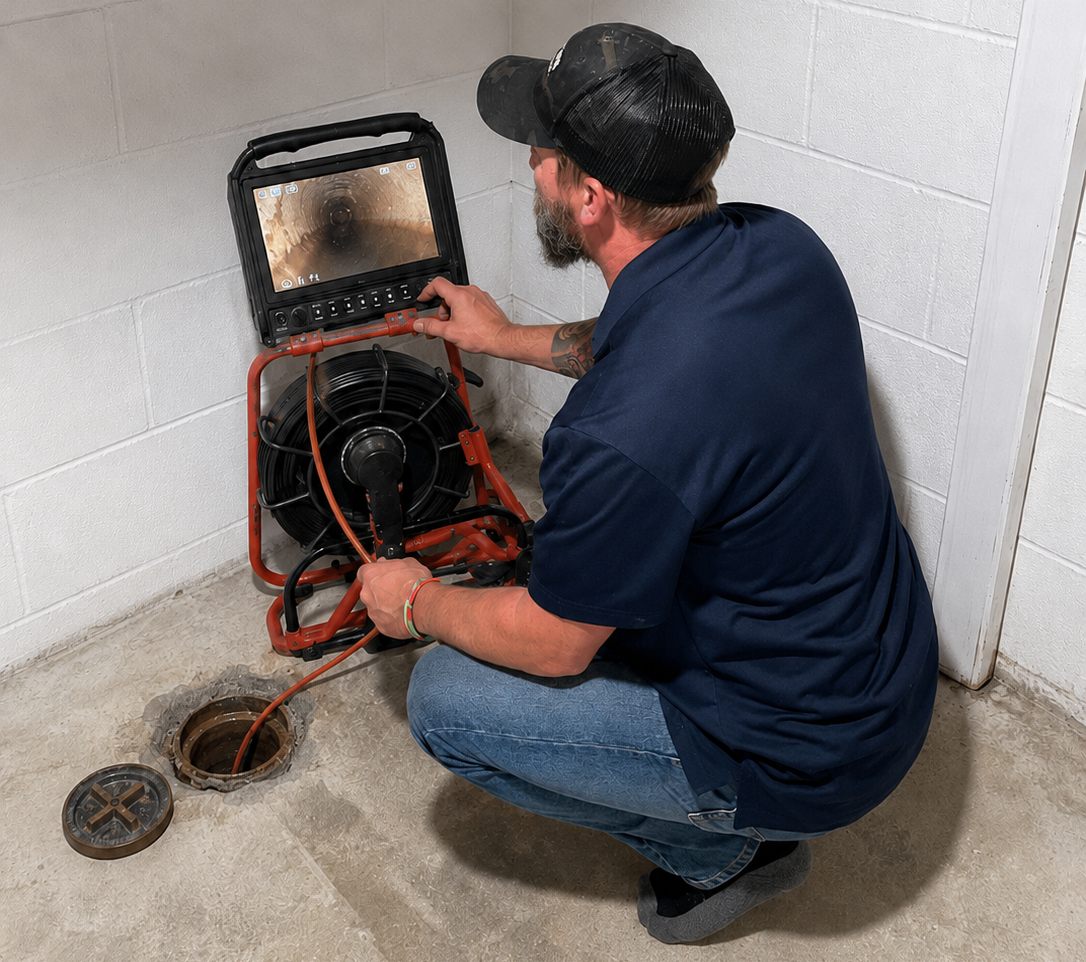
This is where we come in, and where we save homeowners the most money. Some backed-up lines that get quoted as repairs might just need a cleaning. Similarly, some repairs quoted as excavations could potentially be done via more cost-effective, trenchless methods. The only way to know is a second opinion camera inspection. We scope the line, you watch the screen, and:
If it's minimal or isolated roots, grease, or scale, it can be cleaned
If the camera shows severe structural damage, a break, belly, or collapse, you'll see it with your own eyes. We'll record the footage, and you'll have hard evidence
How to protect yourself
Always get a camera inspection before authorizing a repair, and insist on seeing the footage in real-time so you know the video that gets sent to you is truly your sewer line.
Get more than one bid for any repair over a few thousand dollars (we recommend that you optimize for workmanship quality, not the lowest price, so that you rest easy knowing the work will hold).
Be wary of anyone who recommends a full replacement or excavation without showing you why on camera.
A sewer repair is a big expense that you can’t always plan for. Confirming you actually need one with a second opinion is a minor expense that could save you thousands.
Quoted for a sewer repair? Get an honest second look first. Call or text Lucky Dog for a camera inspection so you can confirm what you’re being told.
Read similar articles
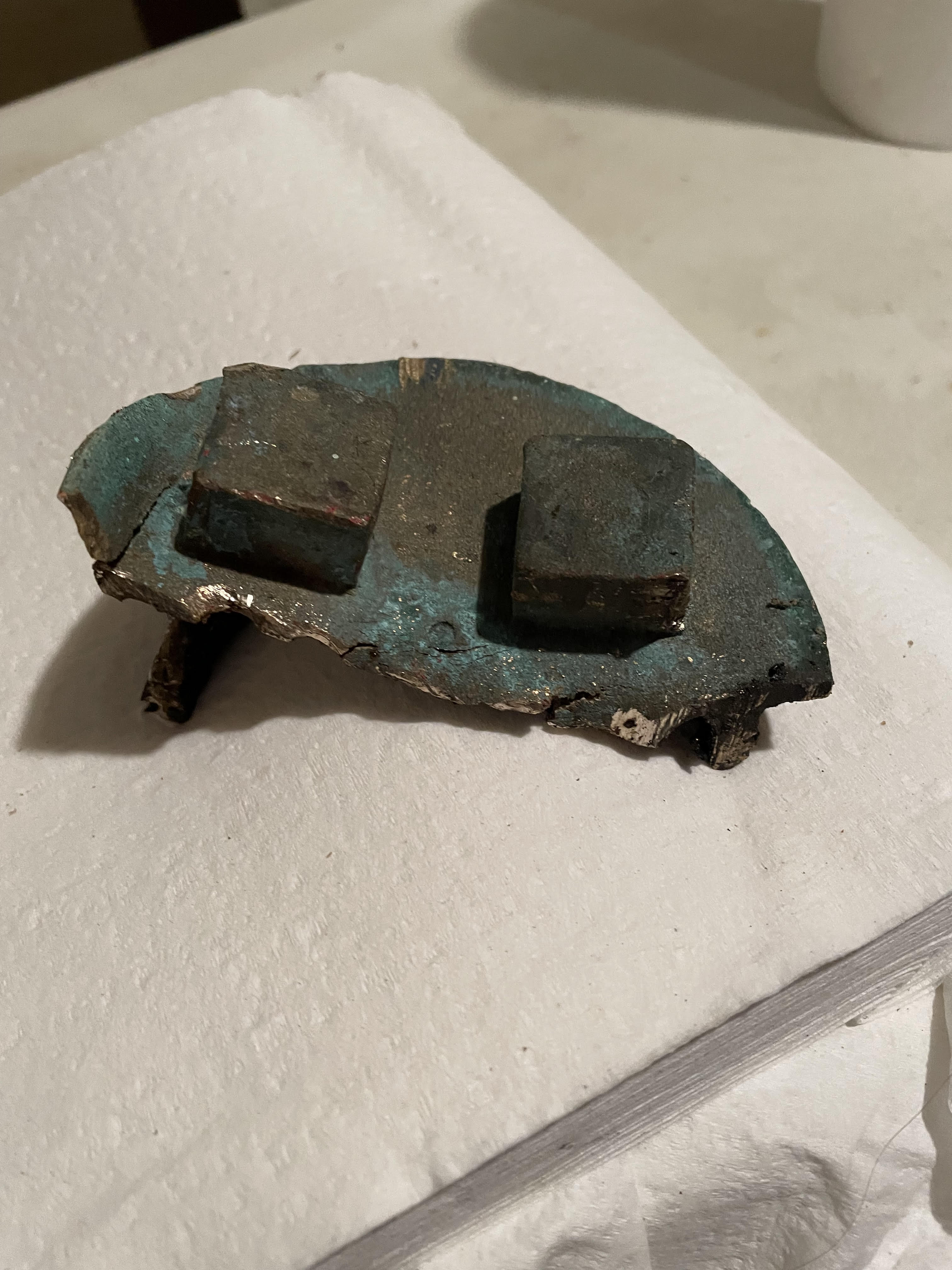
A seized sewer cleanout cap turns a fast fix into a real problem. Here's how Lucky Dog cuts out a frozen cap and replaces it with one you can open.
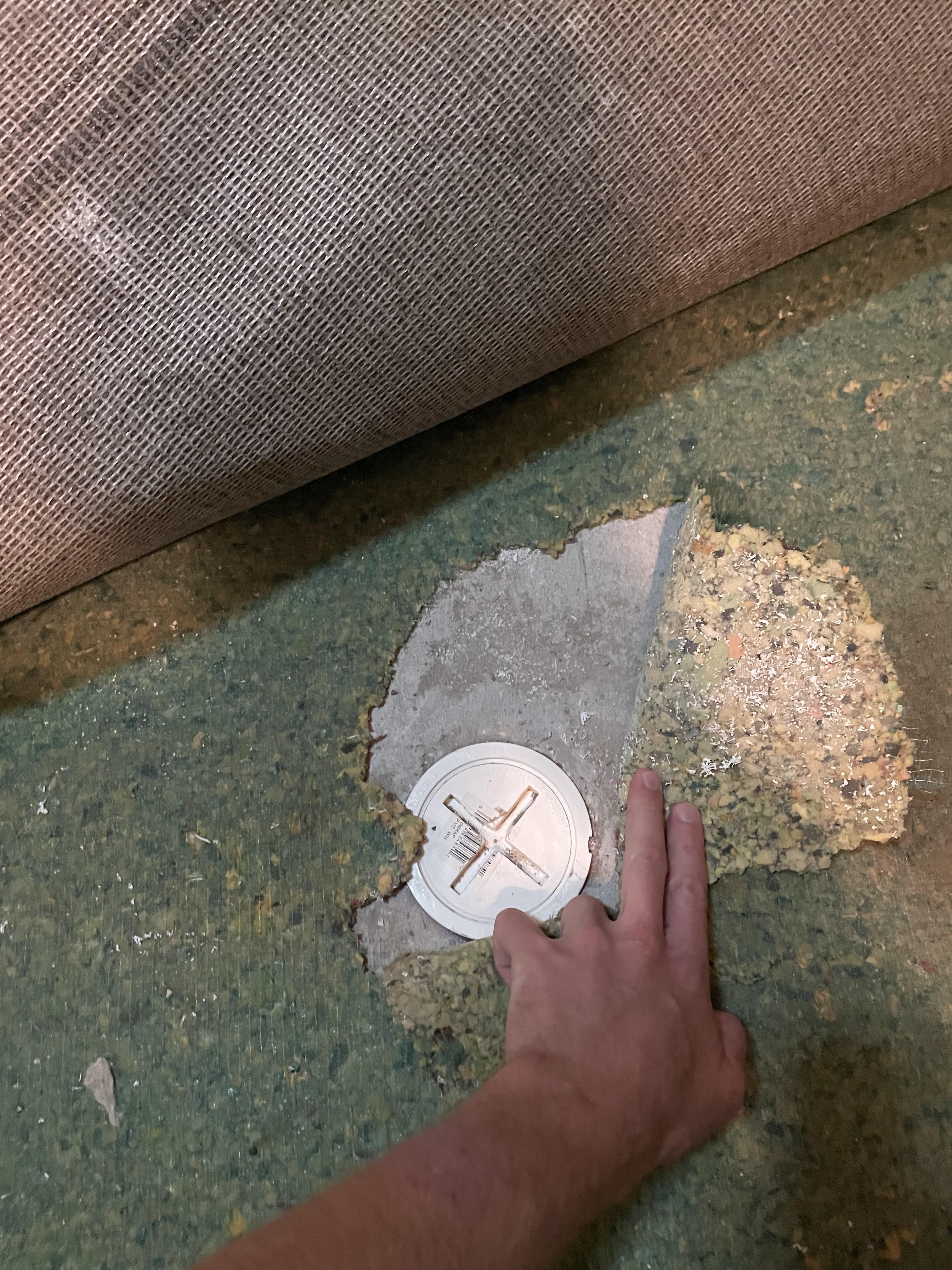
Remodelers cover sewer cleanouts with carpet, tile, and drywall more often than you'd think. Here's how to find yours, and why it matters in older homes.
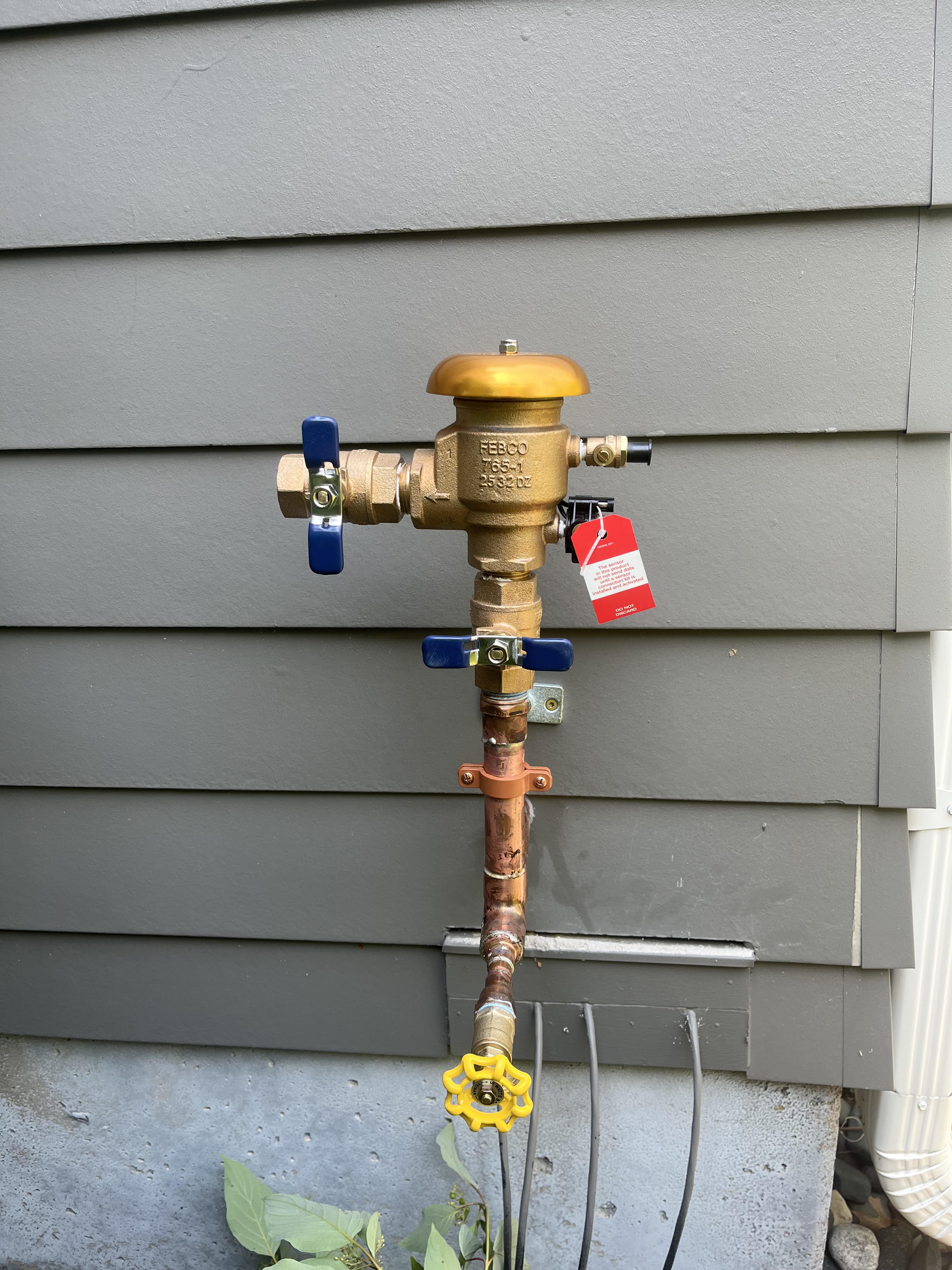
New irrigation system in Edina, St. Louis Park, or Bloomington? Minnesota code requires a backflow preventer, a permit, and annual testing every year.
In a real estate transaction, time and momentum matter. Anything that slows things down can create unnecessary friction and potentially put the deal at risk.
If you live in Minnetonka and recently received a letter about replacing your water meter, you’re not alone. The City of Minnetonka began a multi-year water...

Before you hire anyone to clear a drain, make sure you know the ins and outs of work warranties.