
Should You Get Sewer Insurance in Minneapolis and the West Metro?
Does sewer insurance cover a collapsed pipe, a backup, or a liner? A plain guide for Minneapolis and West Metro homeowners and property managers.

Short answer: yes, get it, but do not treat it as a plan. Sewer insurance pays after a pipe fails. It usually pays a fraction of a full excavation. And it generally does not pay for the preventative work that would keep the failure from happening in the first place.
We get asked about sewer insurance all the time, and it is a hard question for us to answer because no policy we have reviewed covers the true cost of a serious sewer problem. This guide addresses what is covered, what is not, and what to do about the gap. It is written for homeowners and for the property managers who advise owners on this, because in our experience, a lot of the sewer lines in Minneapolis and the West Metro are nearing the end of their service lives.
Who owns the sewer line, and what does a failure cost?
In most cities, property owners are responsible for the full length of the sewer line that connects the house to the street.
When a line collapses and has to be dug up, the bill commonly lands between $15,000 and $35,000 once excavation depth, driveway or street restoration, traffic control, and permits are factored in. Public numbers point the same direction: the City of Minneapolis has said the average repair of a sewer line leak or break has exceeded $10,000 in recent years. A spot repair or a liner usually costs less, but only if the pipe is still intact enough to work with.
Two separate coverages: the pipe and the inside of the house
Most confusion comes from mixing these up. They are different coverages with different limits and different deductibles.
- Service line coverage (also called an underground service line or buried utility line endorsement) pays to repair or replace the buried pipe. It typically includes excavation and yard restoration.
- Water or sewer backup coverage pays for damage inside the home when sewage or water comes up through a drain: cleanup, flooring, drywall, belongings. It does not pay to fix the pipe.
The Minnesota Department of Commerce is clear that a typical homeowner’s policy does not cover sewer backups, and that homeowners "must purchase a separate product or endorsement." A collapsed pipe that backs up into a basement can be two claims on two coverages.
What the limits and costs look like
These are national ranges from public sources, not quotes. Your insurer, home, and location will change them.
- Service line. What it pays for: Repair or replacement of the buried pipe, excavation, yard restoration. Typical limit: $10,000 is common; some carriers publish $12,000; deductible often $500. Typical cost per year: Often $20 to $60.
- Sewer or water backup. What it pays for: Cleanup and damage inside the home. Typical limit: Sold in tiers, often $5,000 up to $25,000; some carriers use a separate, higher deductible. Typical cost per year: Roughly $40 to $75 for lower limits, a couple hundred dollars for higher limits.
- Third-party repair plan. What it pays for: Pipe repair only, paid to the plan's contractor. Typical limit: Samples we reviewed capped sewer repairs between $8,500 and $10,000, with $1,000 for restoration. Typical cost: Roughly $5 to $21 per month depending on plan and location.
The math problem. A $10,000 limit against a $15,000 to $35,000 excavation leaves you to cover the rest. That gap is why insurance alone is not a plan. It is still worth having, because the alternative is paying for all of it.
Is a preventative sewer liner covered? Generally, no.
This is the question homeowners sometimes assume the wrong answer to, so here it is situation by situation. Insurance pays to fix what has already failed. It does not pay to keep it from failing.
- Preventative liner on a pipe that still works. Service line endorsement: Generally no. Backup endorsement: No. Third-party repair plan: Generally no.
- Routine cleaning and camera inspections. Service line endorsement: Generally no; many exclude a blockage with no physical pipe damage. Backup endorsement: No. Third-party repair plan: Varies; some cover unblocking, so read the plan.
- Repair or replacement of a pipe that has failed (collapse, break, root damage). Service line endorsement: Yes, up to the limit, if the cause is one the policy covers. Backup endorsement: No. Third-party repair plan: Yes, up to the plan cap, unless the damage was already there.
- Lining used as the repair method after a covered failure. Service line endorsement: Often yes, if the pipe qualifies for lining. Backup endorsement: No. Third-party repair plan: Depends on the plan.
- Cleanup and damage inside the home from a backup. Service line endorsement: No. Backup endorsement: Yes, up to the limit. Third-party repair plan: No.
- Yard, driveway and landscape restoration. Service line endorsement: Often included within the limit. Backup endorsement: No. Third-party repair plan: Capped at ~$1,000.
- Damage that already existed when you bought coverage. Service line endorsement: May be denied. Backup endorsement: Not applicable. Third-party repair plan: Excluded.
A warning about pre-existing damage
Repair plans exclude known, pre-existing conditions, and insurers can decline damage they view as long-term deterioration. If you already have camera footage showing roots or cracks and you buy a plan afterward, expect a fight over whether the problem existed first. Buy coverage before you need it, and ask how the policy defines pre-existing damage.
Which insurers and plans make you use their contractors?
This matters more than most people expect. A plan that sends its own contractor on its own schedule is a different product than a policy that pays a contractor you chose. Here is what we could verify through each company's published material.
- HomeServe (repair plan). Who does the work: Its own contractor network. What we found: Its FAQ says it will "send a local, licensed contractor" and pays that contractor directly. It does not describe a way to use your own plumber.
- Service Line Warranties of America (repair plan). Who does the work: Its own contractor network. What we found: Its product page describes local plumber dispatch, with the company paying the contractor. Complaint themes with the Better Business Bureau include limited network availability and delays. One customer reported being told to use the company's plumber or find their own and pay out of pocket.
- State Farm (home claims). Who does the work: Your choice. What we found: Its Select Service program is voluntary and its page says you can choose the contractor you prefer. Direct payment and warranty benefits apply only when you use the program. It does not list plumbing repair, and we could not verify how it handles service line claims.
- Liberty Mutual (home claims). Who does the work: Your choice. What we found: Its preferred contractor network is optional, and it publishes guidance for people who use their own contractor. We did not verify its service line claim process specifically.
Ask every insurer or plan this exact question: "For a covered sewer line repair, can I choose my own licensed plumber and sewer contractor, and will you pay them?" Also call your insurer before you authorize major work. Emergency steps to stop further damage are generally expected, but the insurer will want to approve the scope of a large repair.
Our recommendation: insurance first, then a plan for the pipe
- Add both coverages. Get service line coverage and backup coverage, and buy the highest limits you can afford.
- Find out what condition your pipe is in. A camera inspection tells you the material, age, and whether roots, offsets, or bellies are present.
- If the camera shows problems, plan the repair on your schedule. Insurance will not pay for a liner on a pipe that has not failed. A liner scheduled on your terms usually costs less than a collapse and is far less stressful. It is only an option while the pipe is intact, though. Once a pipe collapses, lining is often off the table and excavation is the path.
- Keep cash set aside for the deductible and the gap between your limit and the real cost.
For more about repair timing, read our guide, Do I Need a Sewer Liner?
For property managers and HOA boards: how to advise owners
Owners rely on managers to know what their policies do and do not cover. A simple process avoids nasty surprises:
- Build an inventory for each property: year built, pipe material if known, camera history, and prior backups.
- Verify coverage per property. Confirm whether service line and backup coverage exist, the limits, the deductibles, and how the policy treats a backup that happens during a flood.
- Clarify ownership and whose policy responds in condos, townhomes and HOAs. Master policies and individual owner policies can handle these losses differently.
- Ask each insurer about contractor choice and pre-existing damage using the questions below.
- Put lining or repair in the capital plan for older buildings. Treat insurance as the backstop, not the plan.
- Keep baseline camera footage on file with dates, so everyone knows the condition before any claim.
- Tell owners in writing what insurance will not cover, including preventative work, so nobody is surprised after a failure.
- For commercial or larger multifamily property, policies are structured differently. Work through your broker.
Ten questions to ask your agent
- Do I have service line coverage, and what are the limit and deductible?
- Do I have sewer or water backup coverage, and does it have its own deductible?
- Does service line coverage pay for wear and tear and root damage, or only sudden events?
- Are excavation and yard or driveway restoration inside the limit or on top of it?
- Is a blockage with no physical pipe damage excluded?
- Does backup coverage still pay if flooding contributes to the backup?
- Can I choose my own plumber, and will you pay them directly?
- Are there waiting periods or inspections before coverage starts?
- How is pre-existing damage handled?
- Are there sub-limits for cleanup, mold, or personal belongings?
Frequently asked questions
Does homeowners insurance cover a collapsed sewer line?
Not by default. You generally need a service line endorsement, and the limit is commonly around $10,000, which is often less than a full excavation costs.
Does homeowner’s insurance cover sewer backup in Minnesota?
Not by default. The Minnesota Department of Commerce says a typical homeowner’s policy does not cover sewer backups and that you must buy a separate product or endorsement. Some insurers exclude backup coverage when flooding is involved, so ask how your policy responds.
Will insurance pay for a sewer liner?
Generally, only as the repair method after a covered failure. It does not usually pay for a preventative liner on a pipe that still works.
Is a stand-alone sewer repair plan worth it?
The plans we reviewed cap sewer repairs around $8,500 to $10,000, pay nothing for damage inside the home, and dispatch their own contractor. An endorsement on your homeowner’s policy usually offers higher limits and covers more, but availability depends on your insurer. Read the terms either way.
If I line my pipe, do I still need insurance?
Yes. A liner does not protect you from every backup. Backups can also come from causes other than your own sewer line, and backup coverage is what pays for the damage inside your home.
Want to know what shape your line is really in? Our paid sewer cleanings include a sewer camera, and we will tell you what you need to do today, what you can add as a preventative measure, and what to plan and save for. Call Lucky Dog Sewer & Drain.
We are not insurance agents. This is general information, not insurance advice. Policy terms, limits and availability vary by insurer and change over time, so confirm with a licensed agent and read your policy.
Read similar articles
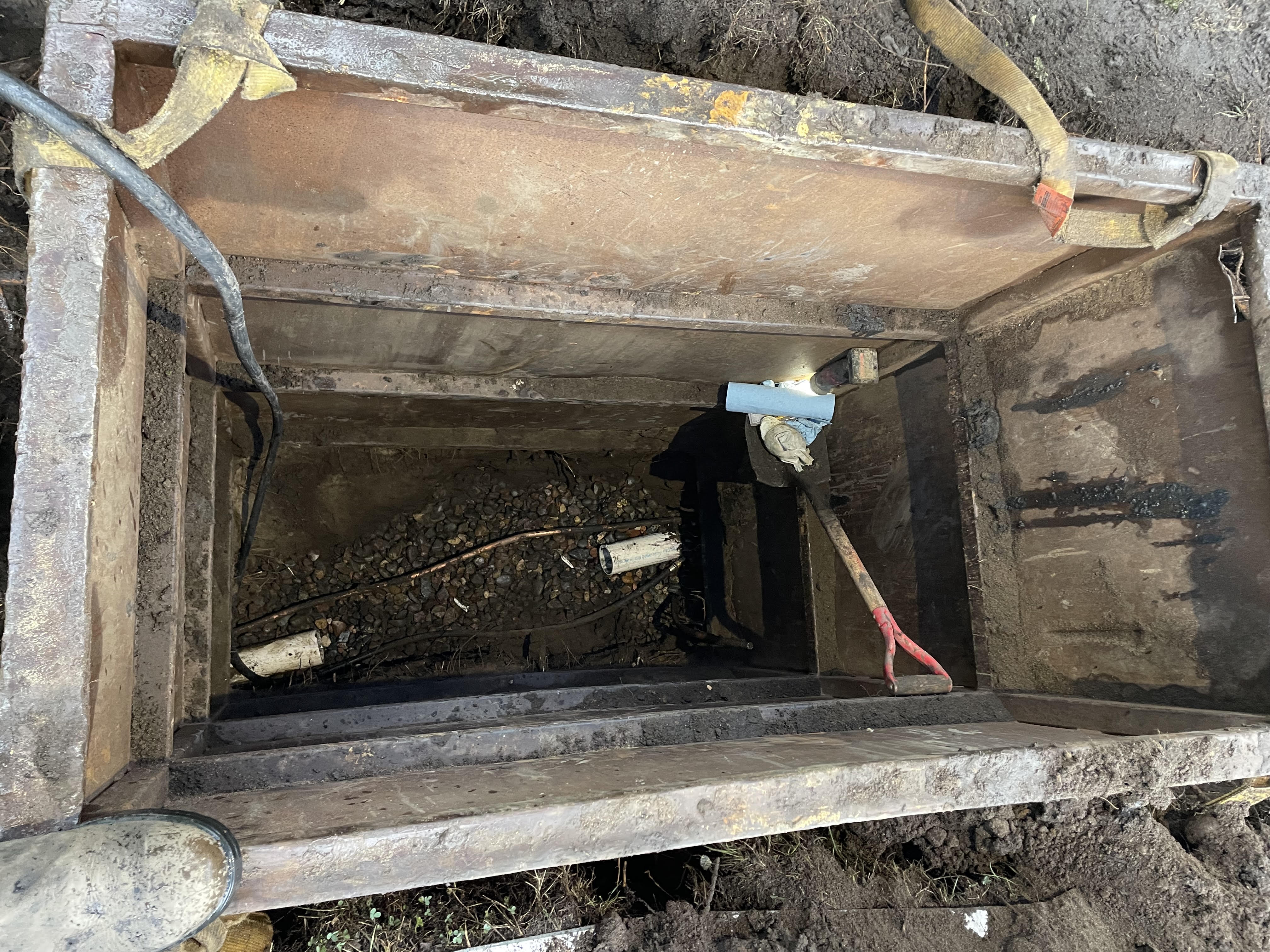
Does sewer insurance cover a collapsed pipe, a backup, or a liner? A plain guide for Minneapolis and West Metro homeowners and property managers.
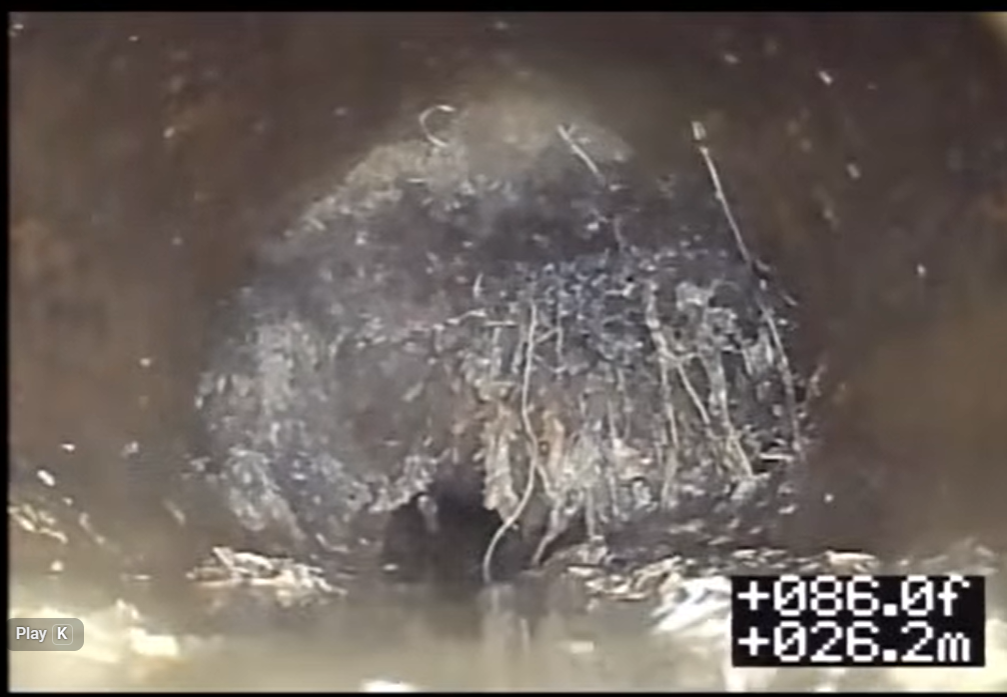
Most Minneapolis and suburban homes will need a sewer liner or repair soon. Learn the warning signs, how to time it, and what your options are.
Our technicians are hourly with no sales quotas, so sewer and plumbing advice fits your home instead of a quota. See how that changes what you hear.

Mixed brass and galvanized fittings caused leaks across a Maple Grove HOA. Learn the cause and how a licensed fix reached the sprinkler connection.
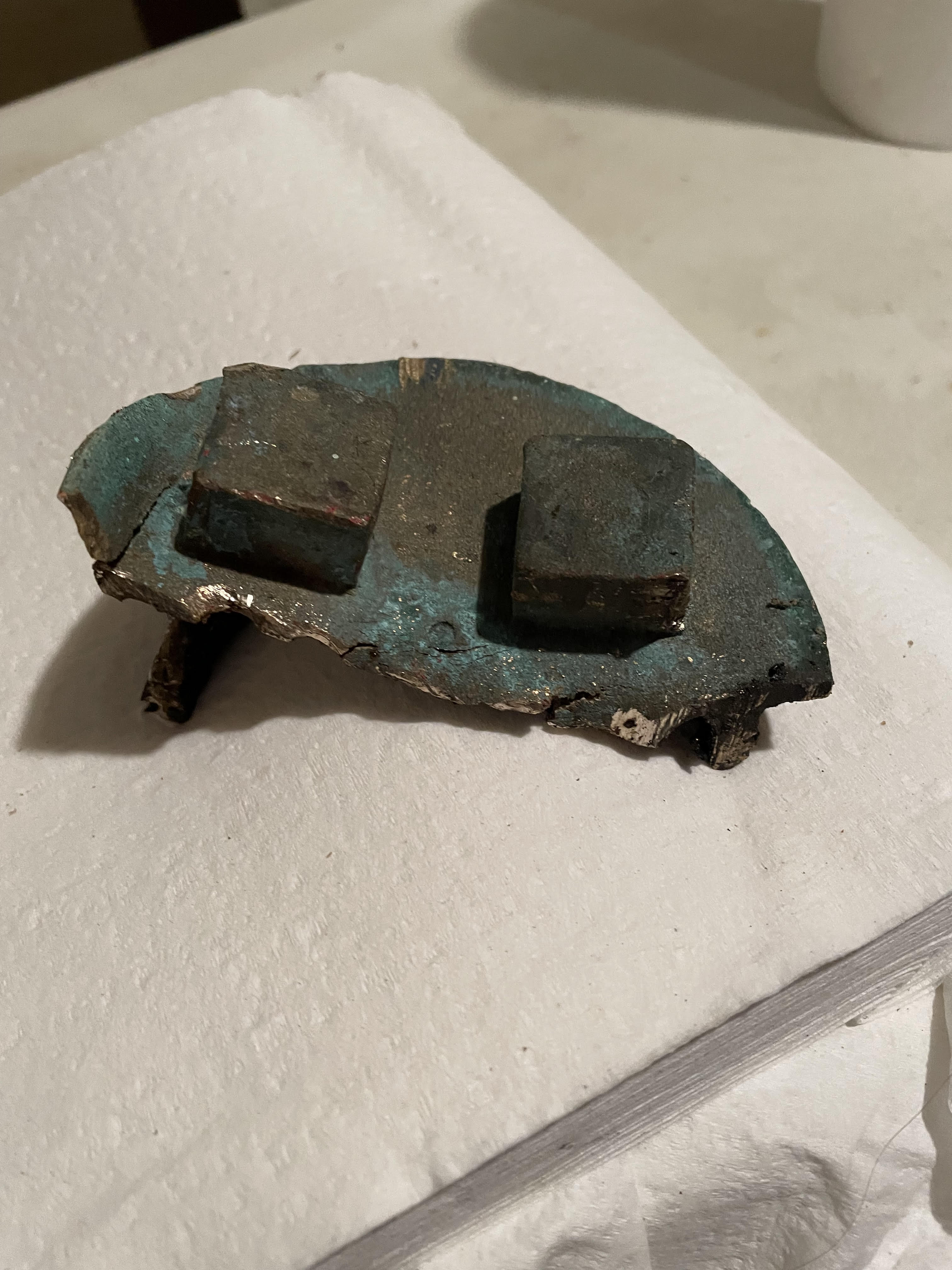
A seized sewer cleanout cap turns a fast fix into a real problem. Here's how Lucky Dog cuts out a frozen cap and replaces it with one you can open.
Remodelers cover sewer cleanouts with carpet, tile, and drywall more often than you'd think. Here's how to find yours, and why it matters in older homes.