
Do I Need a Sewer Liner? What Minneapolis and Suburban Homeowners Should Know
Most Minneapolis and suburban homes will need a sewer liner or repair soon. Learn the warning signs, how to time it, and what your options are.

The short answer: yes, in our experience nearly every home in Minneapolis and the inner ring of western suburbs will need a sewer liner or another repair in the near future. The reason is the age of the pipes.
Some sewer lines in Minneapolis are 100 years old or more. They have a few years left, or have already been replaced. Others are 70 years old or more and need replacement as soon as possible. Homes built from the 1940s to the 1970s may also have fiber conduit pipe, often called Orangeburg, that was never expected to last as long as clay.
The real question is not whether. It is when. This guide helps you work that out. We will give you options with the risks of each, rather than telling you "you need a liner" and stopping there.
A rule of thumb
If you or your neighbors are having frequent backups, or your neighbors have already replaced their sewer lines, you will probably need to replace yours soon too. Homes on the same street were usually built around the same time with the same materials.
If we see any of these on camera, the answer to "do I need a liner" is yes:
- Roots coming into the pipe, at joints or through cracks
- Offsets, where sections have shifted out of alignment
- Standing water caused by bellies or settling in the line
The open question is how soon.
What decides how soon
Timing depends on several things, and the right answer is different for every home:
- The level of structural damage to the pipe
- How frequent your issues are, such as slow drains or repeated backups
- Your risk tolerance and finances
- Whether you are selling soon. Buyers often inspect the sewer line, and problems found then can kill a deal or slow momentum.
- How many people live in the home, and whether you’re having a lot of visitors soon. Backups tend to show up when water use spikes (particularly around the holidays, unfortunately).
- Whether a maple tree or another aggressive tree is growing on top of the line. Roots go looking for water and find pipe joints.
- The pipe material. Clay, cast iron, fiber conduit and plastic age differently.
"We have never had a backup in 20 years" is not a guarantee
We hear this often, sometimes from homeowners who have a silent problem that has not shown itself yet. Not having had a backup tells you about the past. It does not guarantee the future. A pipe can be cracking and taking in roots for years before it backs up, and the backup often arrives at the worst possible time.
Cleaning can keep backups at bay, but it does not repair the pipe. If roots are coming in, the pipe is already structurally compromised. It should be monitored periodically with a camera, and how often depends on how much intrusion we see. Heavier intrusion means shorter intervals.
How long do sewer pipes last?
Commonly cited general ranges are shown below. They are not predictions. Real lifespan depends on soil, roots, installation quality, and use, which is why a camera matters more than a birth year.
- Clay tile. Typical era in older Twin Cities homes: The standard for close to a century; most common in homes built before about 1970. Commonly cited lifespan: 50 to 100 years, but joints can separate and let roots in.
- Fiber conduit (Orangeburg). Typical era in older Twin Cities homes: 1940s to 1970s, including some inner ring suburbs. Commonly cited lifespan: 30 to 50 years, often less.
- Cast iron. Typical era in older Twin Cities homes: 1880s to today, still used inside homes. Commonly cited lifespan: 75 to 100 years.
- PVC or ABS. Typical era in older Twin Cities homes: 1970s to today. Commonly cited lifespan: 75 to 100 years or more.
Even with these ranges, it is almost impossible to put an exact timeline on how a pipe will perform or how many years it has left. Anyone who gives you one is guessing.
What a sewer liner is, and how long it lasts
A sewer liner is a resin-saturated tube, also known as cured-in-place pipe (CIPP), installed inside your existing sewer pipe and hardened using ultraviolet (UV) light. Once cured, it creates a new, smooth, durable pipe within the original pipe, similar to a dentist using blue light to harden a filling.
The primary advantage is that sewer lining is typically trenchless. Rather than excavating your entire yard, the repair can often be completed through existing access points or with minimal digging.
Think of sewer lining like treating a cavity. When deterioration is identified early enough, a liner can restore the pipe's structural integrity and extend its service life without extensive excavation. However, if the damage progresses and the pipe collapses, trenchless lining is no longer an option. At that point, excavation and pipe replacement may be necessary, much like a severely decayed tooth that can no longer be saved with a filling.
Properly installed liners are commonly designed for a service life of 50 years or more. There is an important limit, though: the old pipe has to be largely intact for a liner to work. A pipe that has collapsed or is badly deformed may not be able to support one, and then excavation is the path. That is the core reason to act before a collapse rather than after.
Your options, not just "you need a liner"
When we assess a line we lay out choices and the risks that come with each, so you know your options. Here is how it generally breaks down:
- Roots, offsets, or standing water, with frequent backups. Options to consider: Repair soon, by liner if the pipe qualifies or excavation if not. Main risk of waiting: A collapse or repeated backups, and a pipe that cannot be lined.
- Roots present, pipe otherwise sound, no backups. Options to consider: Periodic cleaning and camera monitoring now; plan and save for a liner in the coming years. Main risk of waiting: Roots progress faster than expected and force an earlier repair.
- No visible problems, but the pipe is 70 years old or more. Options to consider: A camera baseline now, then a monitoring schedule. Main risk of waiting: Silent damage you do not know about yet.
- Selling within the next year. Options to consider: Inspect before listing so there are no surprises for you or the buyer. Main risk of waiting: A problem found during the buyer's inspection that kills deal momentum.
- Frequent backups on your street or neighbors replacing lines. Options to consider: Get a camera look at your own line soon. Main risk of waiting: Assuming your line is fine when it shares the same age and materials.
- Crack or break at the city connection. Options to consider: A “Y” (wye) liner and/or a trenchless liner to seal the break and prevent a collapse. Main risk of waiting: Excavation in the middle of the city street, paid for by the homeowner.
We aim to be realistic in our recommendations. We assess the risk, give you options with different recommendations and risk levels, and let you decide with your eyes open to the facts. Our goal is to earn and build your trust through honesty, transparency, and thorough diagnosis. Our technicians are paid hourly with no commissions, so the advice does not depend on selling you the biggest job.
Will insurance pay for a liner?
Generally not before a failure. Insurance and repair plans pay to fix what has already failed, up to a limit, and typically do not pay for preventative lining of a pipe that still works. Read our guide to sewer line insurance for what is covered and what is not. Insurance is worth having as a backstop, but a liner on your schedule is usually less stressful than waiting for a collapse.
Read similar articles
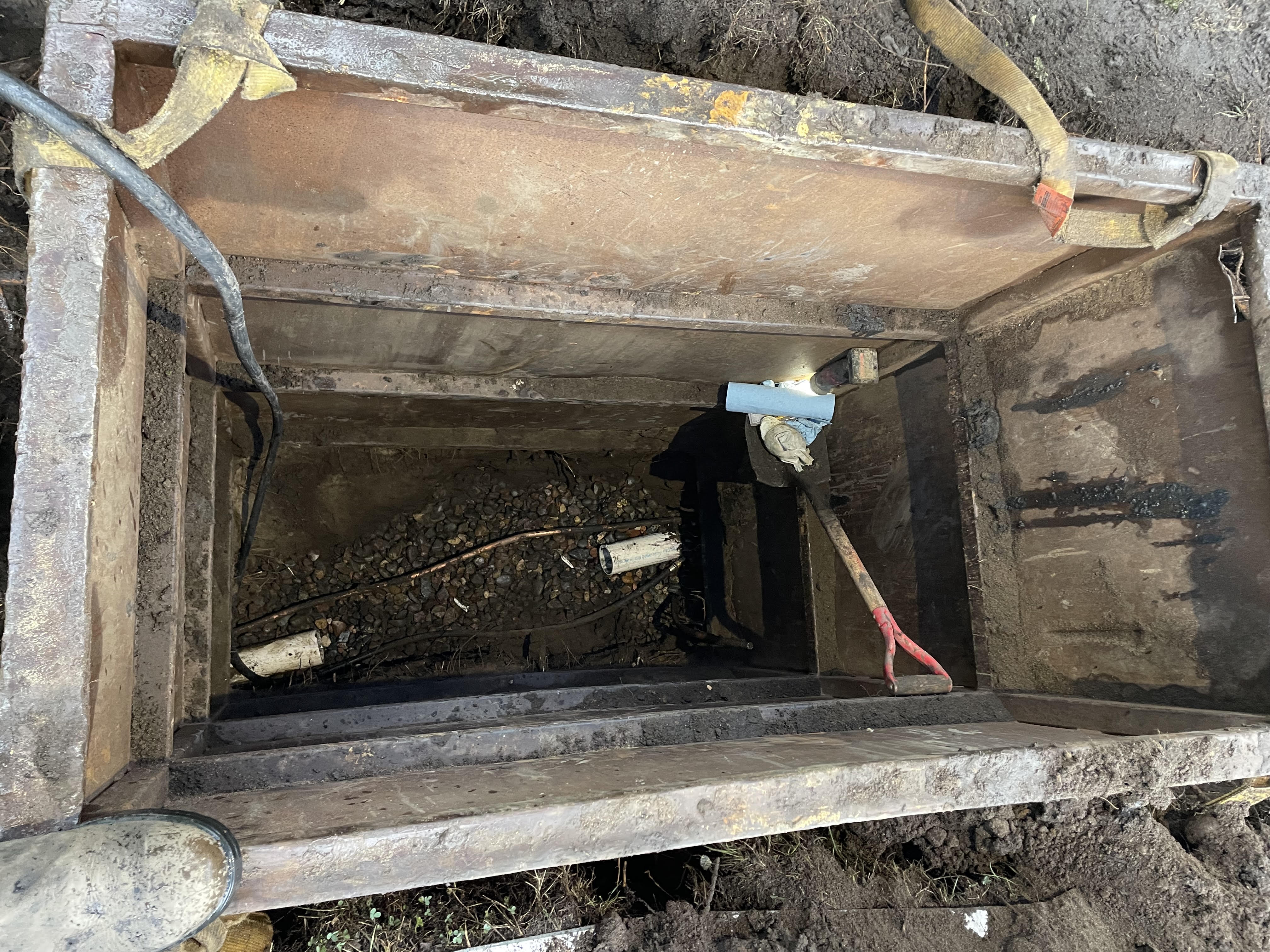
Does sewer insurance cover a collapsed pipe, a backup, or a liner? A plain guide for Minneapolis and West Metro homeowners and property managers.
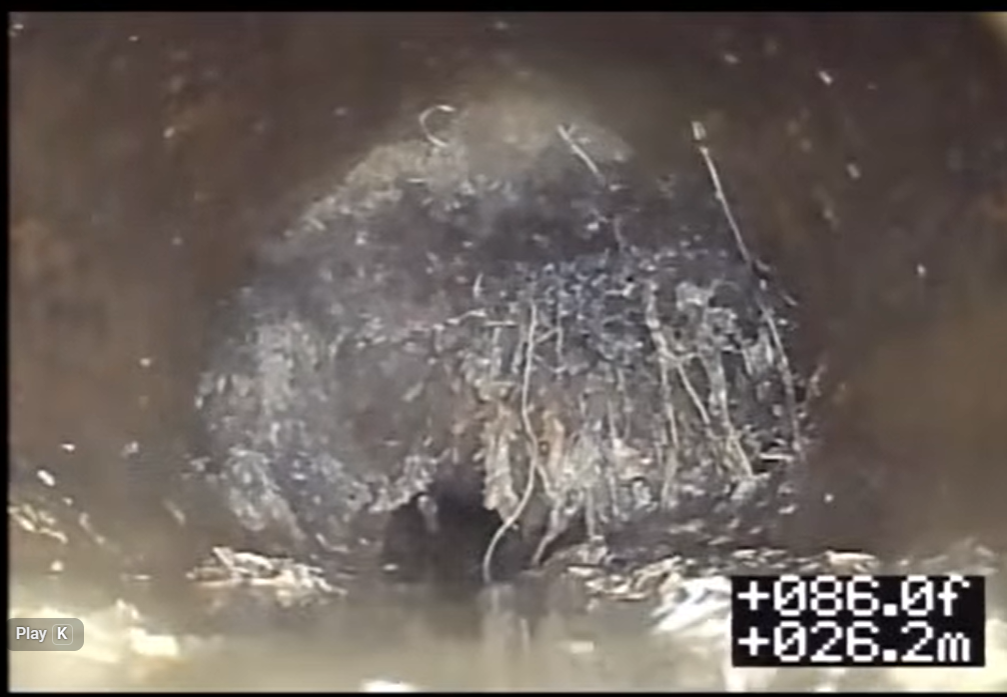
Most Minneapolis and suburban homes will need a sewer liner or repair soon. Learn the warning signs, how to time it, and what your options are.
Our technicians are hourly with no sales quotas, so sewer and plumbing advice fits your home instead of a quota. See how that changes what you hear.

Mixed brass and galvanized fittings caused leaks across a Maple Grove HOA. Learn the cause and how a licensed fix reached the sprinkler connection.
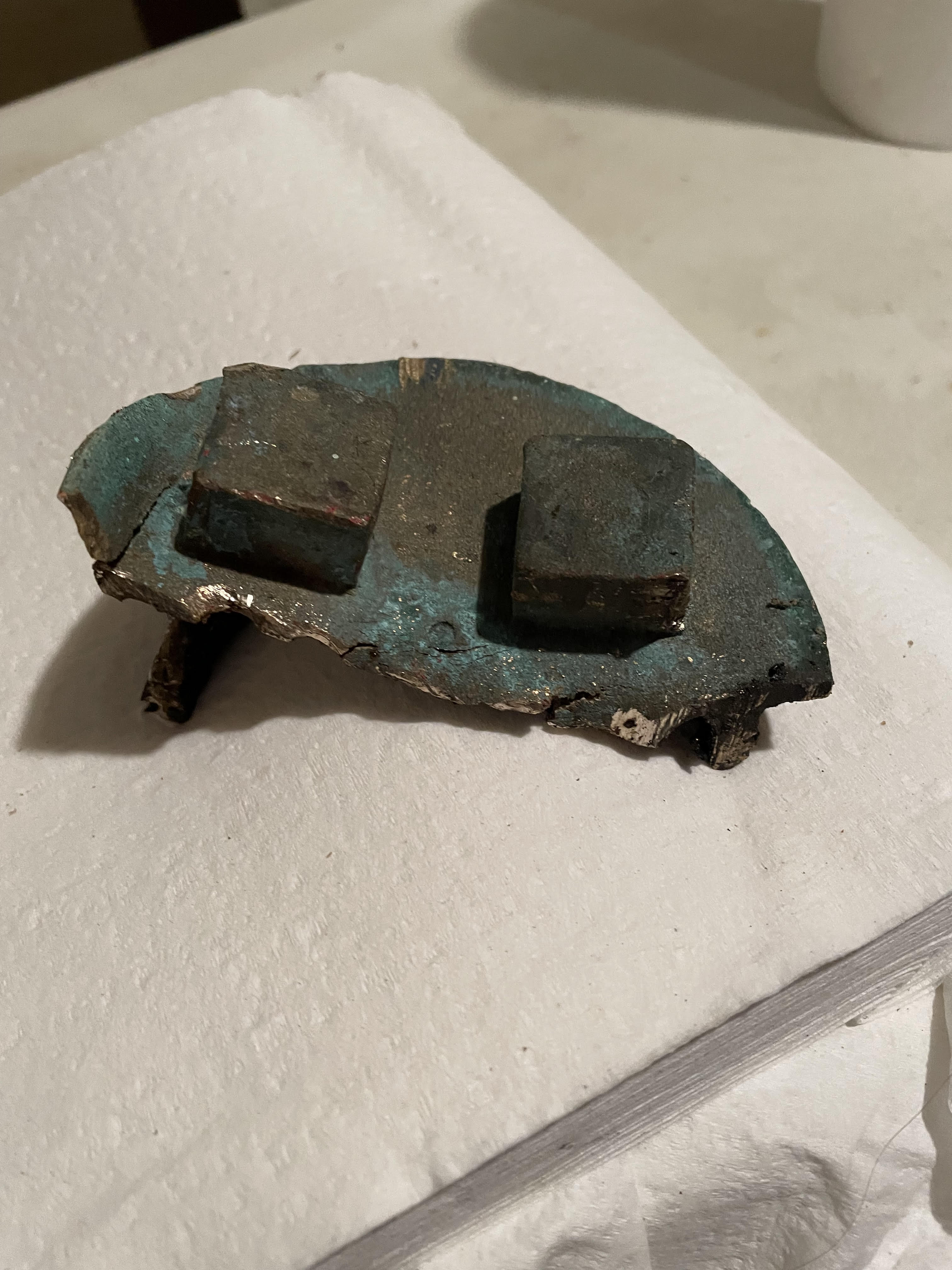
A seized sewer cleanout cap turns a fast fix into a real problem. Here's how Lucky Dog cuts out a frozen cap and replaces it with one you can open.
Remodelers cover sewer cleanouts with carpet, tile, and drywall more often than you'd think. Here's how to find yours, and why it matters in older homes.