Do You Still Need Drain Cleaning After a Sewer Repair? It Depends What Kind You Got
Find out if you still need a drain cleaning after a sewer repair.
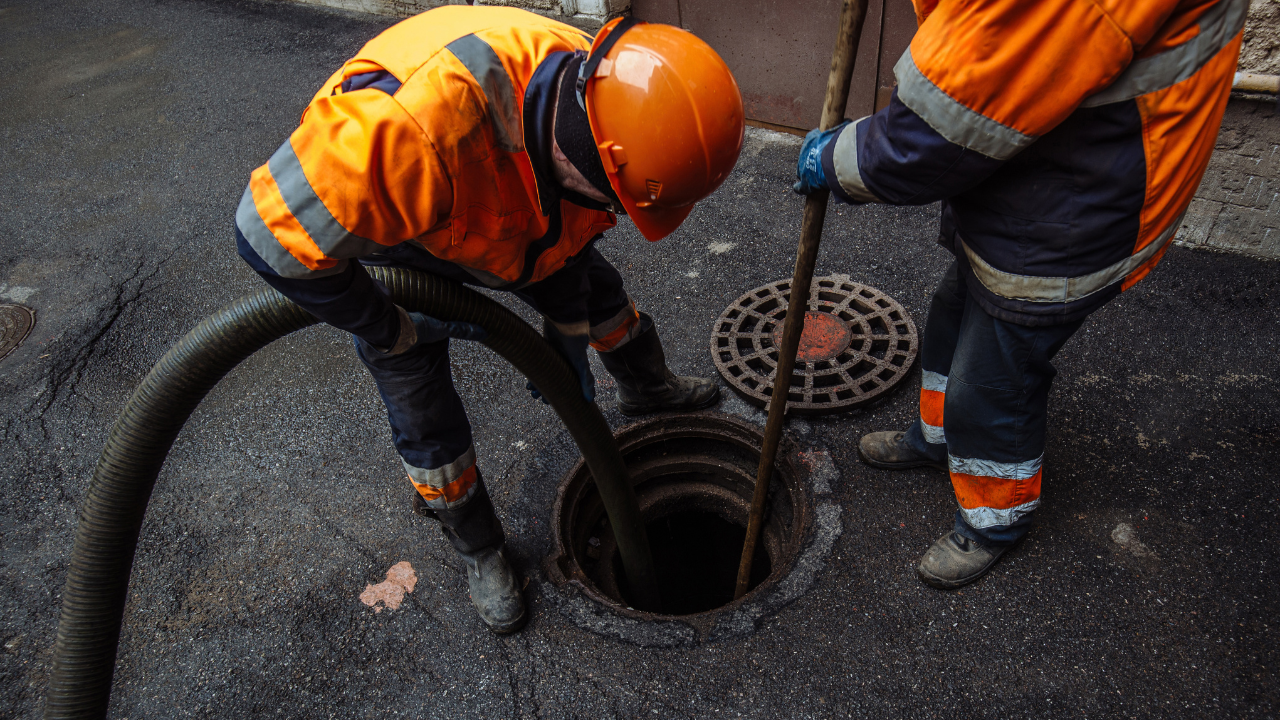

A lot of homeowners who've had their sewer line repaired assume they're done thinking about it forever. Sometimes that's true. Sometimes it's not. The difference comes down to exactly what kind of repair was actually done and whether the quality of workmanship ensures that the project can live up to its 50-year design life, which is a detail a lot of people were never told clearly at the time. Not all lining companies are equal.
The Two Kinds of Sewer Repair
A full cured-in-place pipe (CIPP) liner runs the entire length of the damaged section often from the house all the way to the connection at the city main. It typically reinstates every lateral connection along the way. Done properly, this creates a smooth, jointless new pipe surface inside the old pipe from end to end.
A spot repair or partial liner only addresses a specific damaged section of pipe, not the entire thing. This is common in real-estate transactions and can be the right call when only one section of pipe is compromised. But it means the rest of the original pipe, including potentially the joint where the line connects to the city main, is still the old material.
If You Got a Full Liner
If the liner runs the complete length of the line and was installed correctly, you generally don't need routine drain cleaning afterward. Providing homeowners with a permanent solution that saves them the cost and time of annual or bi-annual drain cleanings for decades is the whole point of the repair. The new interior surface is smooth, jointless, and root-resistant in a way old clay or cast iron pipe never was.
More importantly: you should actively avoid cabling it. A traditional cable or snake can catch on the liner and tear or gouge it, and a full liner is not something you want to reopen a problem in, since it's a much bigger job to fix a damaged liner than it was to install it. If a full-liner line ever does need clearing, which should not be required, hydro-jetting is the appropriate method, and even that should be done by someone who knows they're working inside a liner and adjusts pressure and technique accordingly using a camera, not someone running the same equipment they'd use on old clay pipe.
If You Got a Spot Repair or Partial Liner
This is the case people get caught off guard by. If the patch or liner doesn't extend all the way to the joint at the main, that joint is still the original pipe material, and it's just as susceptible to root intrusion and buildup as it always was. You will likely still need periodic drain cleaning, particularly near that unlined connection point, even though you already paid for a repair.
This isn't a sign the repair failed. It's just the nature of a targeted fix: it solved the specific problem it was meant to solve, and the rest of the line is exactly as old as it was before.
The catch is doing this safely. Whoever cleans the line after a partial repair needs to know precisely where the lined or patched section starts and stops before they run a cable or hydro jetter through it, otherwise they risk damaging the very repair you paid for. This isn't something to eyeball. It calls for a camera inspection first, every time, so the technician can see exactly what they're working around before any cable goes in the line.
What to Ask Your Repair Contractor
When you have sewer repair work done, ask for three things in writing: whether it was a full liner or a partial/spot repair, exactly which section of pipe it covers (with footage or measurements, not just "the bad part"), and a copy of the post-repair camera inspection. You should also ensure that the sewer repair contractor installs the liner all the way to the city main so that roots can create an obstruction at the end of your line. This will help protect your basement from an unexpected sewer backup after you thought you were safe for 50 years with your new liner.
The Bottom Line
A full, properly installed liner should not necessitate future drain cleaning, and cabling a pipe with a full or partial liner in it is a real risk to the liner. A partial repair or spot patch almost always still needs periodic cleaning at the unlined sections, and that cleaning should be done carefully, with a camera, by someone who knows exactly where the repair ends. If you're not sure which one you have, a camera inspection will tell you. It’s also worth knowing before anyone puts a cable in your line.
Lucky Dog Sewer & Drain always runs a camera before cleaning a previously repaired line, so we know exactly what we're working with and won't put your repair at risk to clear a clog.
Read similar articles
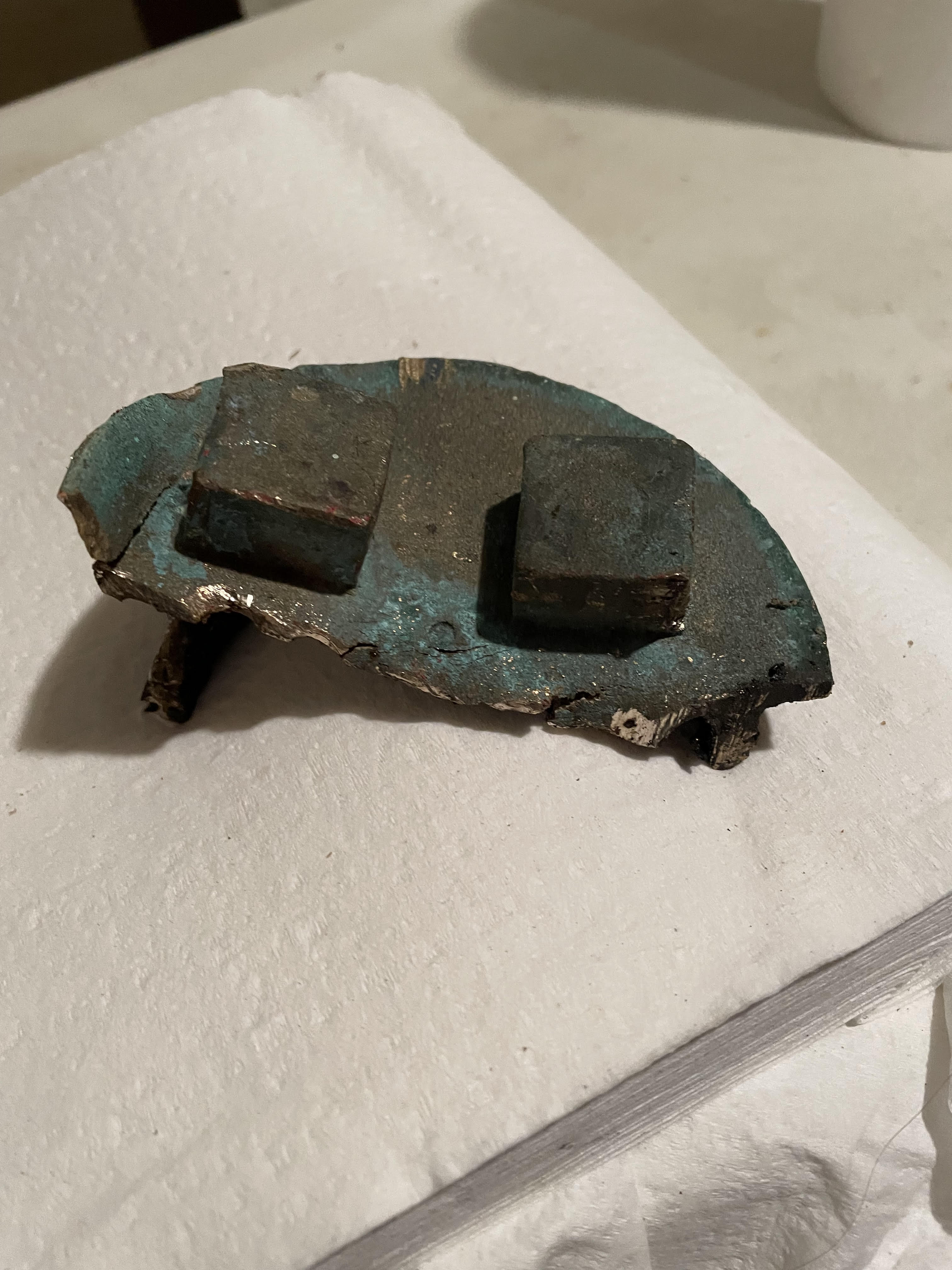
A seized sewer cleanout cap turns a fast fix into a real problem. Here's how Lucky Dog cuts out a frozen cap and replaces it with one you can open.
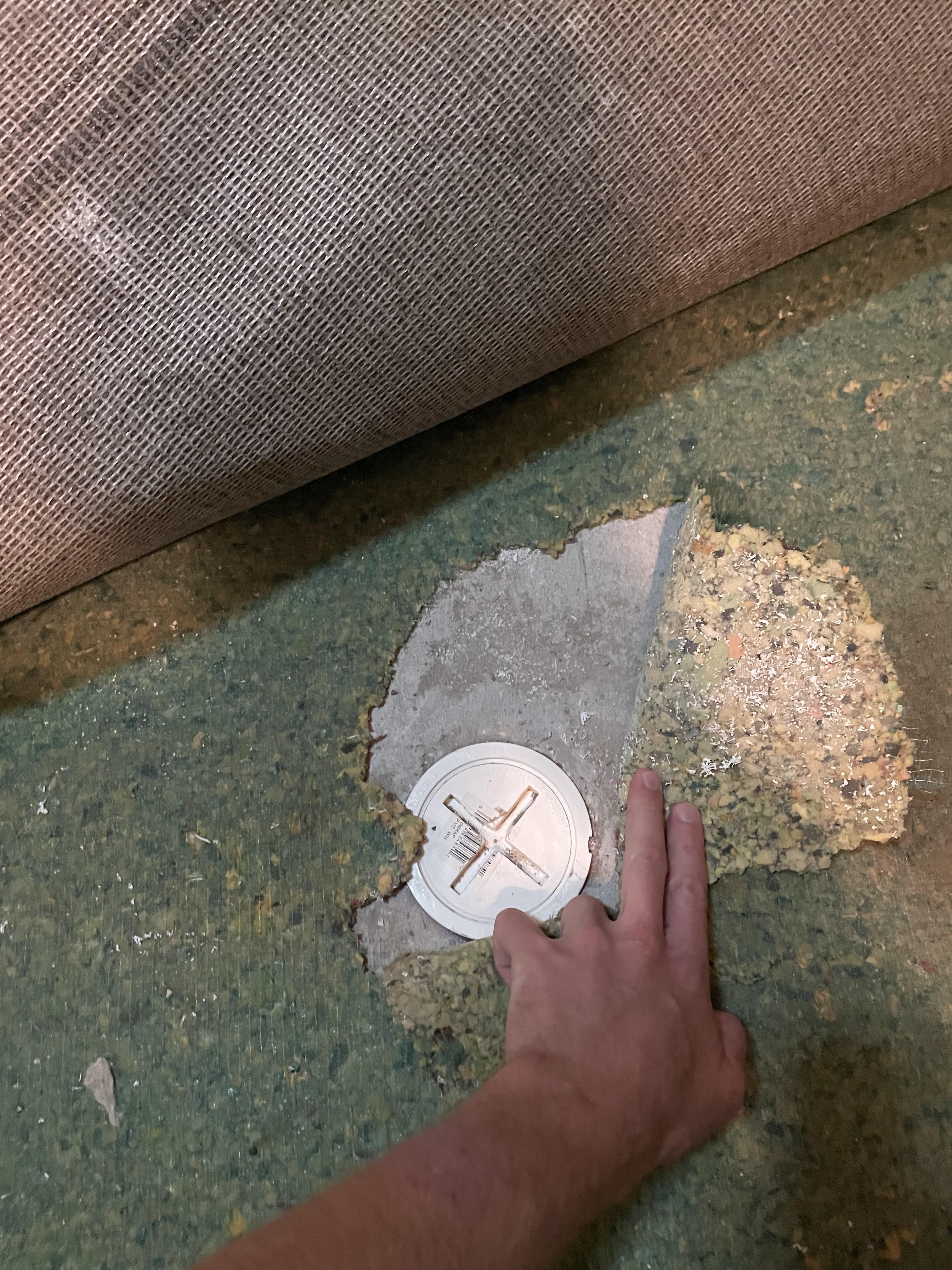
Remodelers cover sewer cleanouts with carpet, tile, and drywall more often than you'd think. Here's how to find yours, and why it matters in older homes.
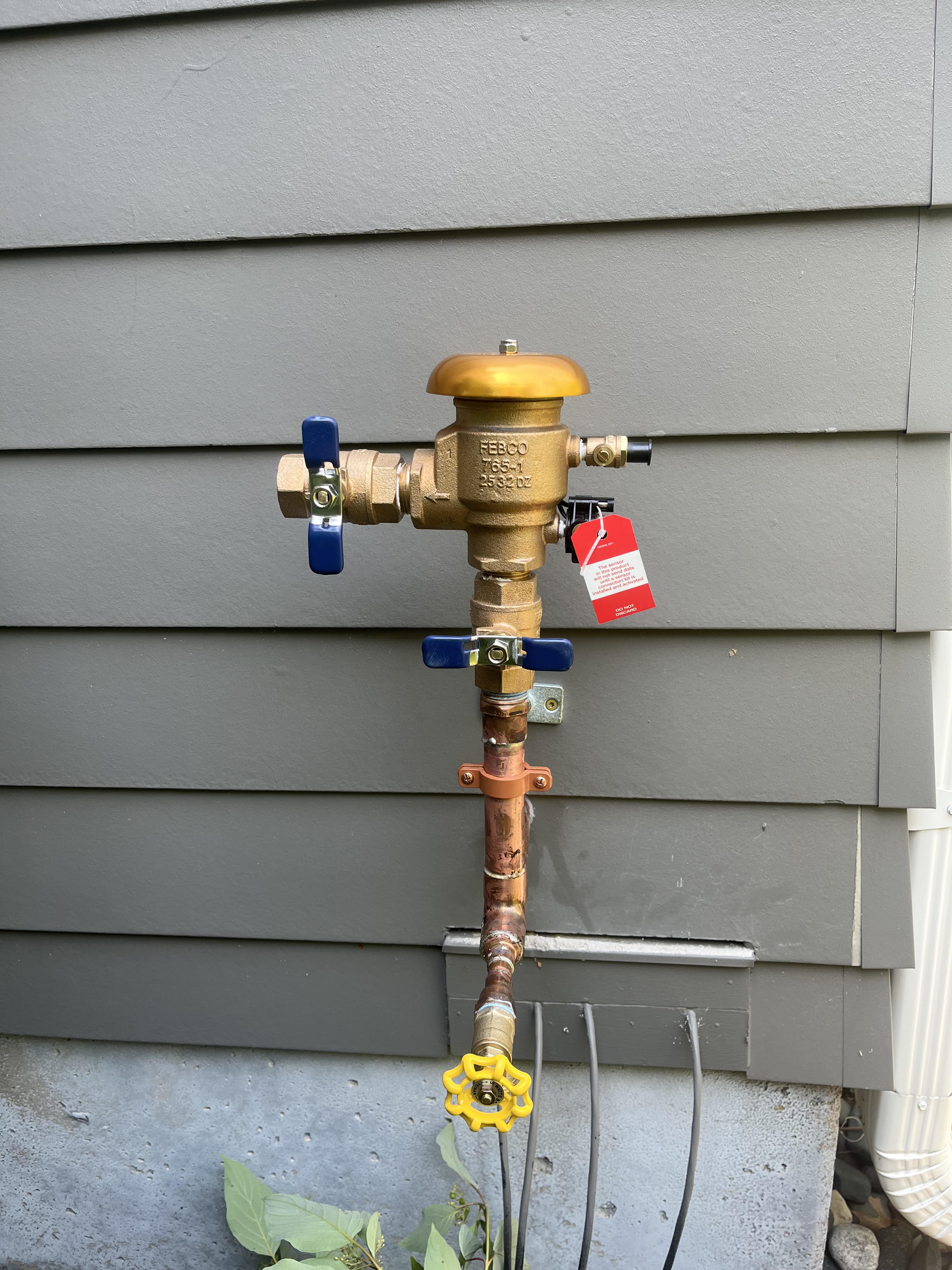
New irrigation system in Edina, St. Louis Park, or Bloomington? Minnesota code requires a backflow preventer, a permit, and annual testing every year.
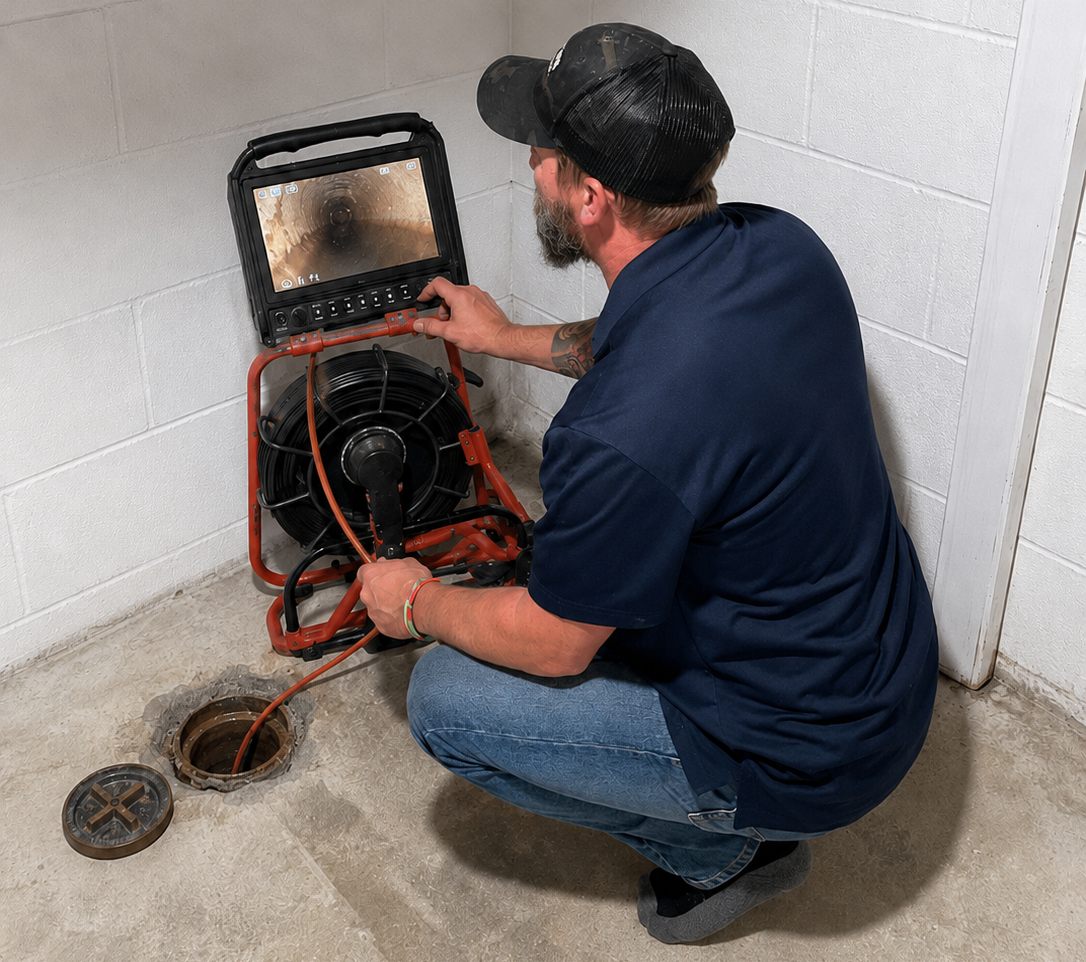
In a real estate transaction, time and momentum matter. Anything that slows things down can create unnecessary friction and potentially put the deal at risk.
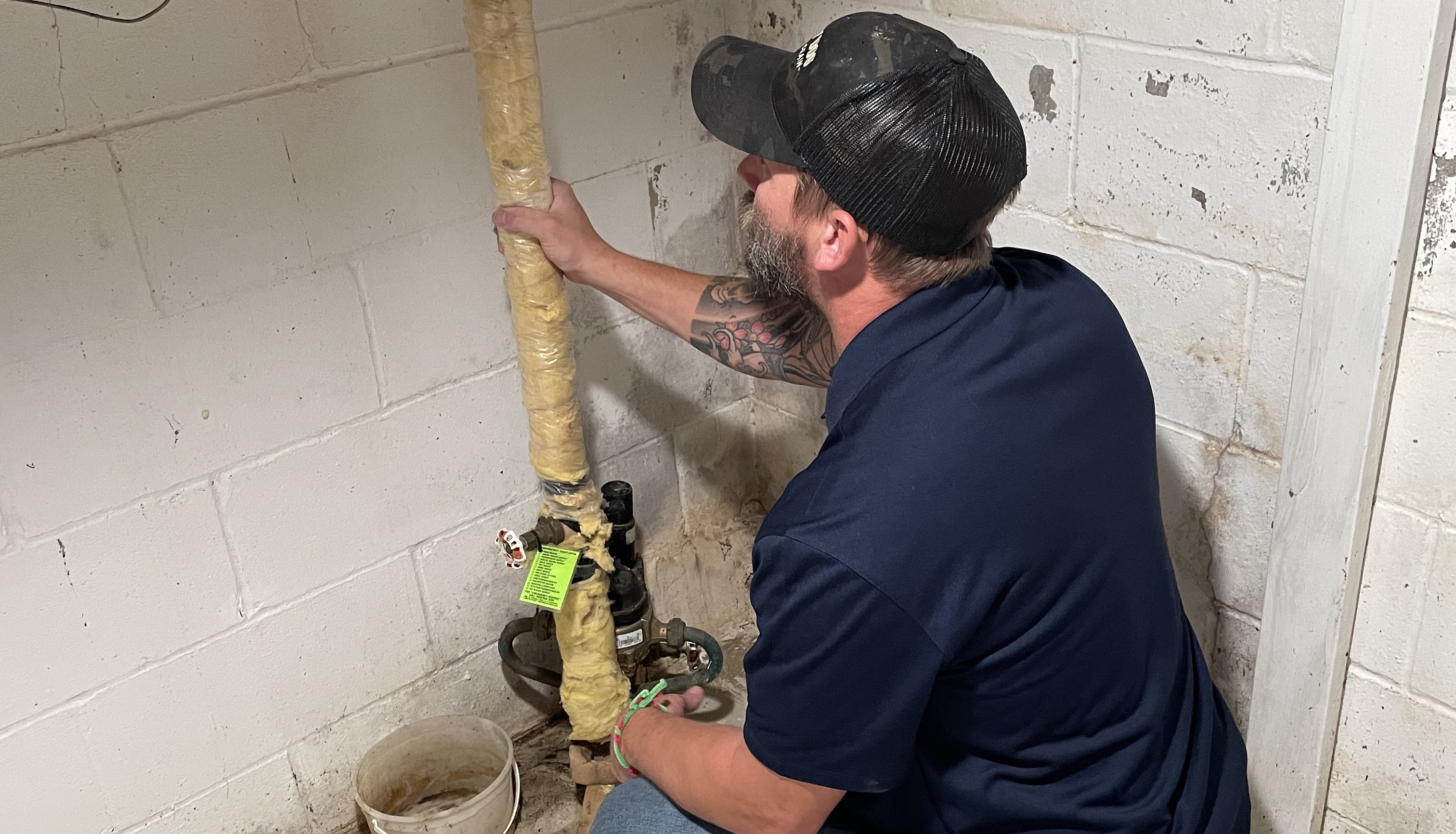
If you live in Minnetonka and recently received a letter about replacing your water meter, you’re not alone. The City of Minnetonka began a multi-year water...

Before you hire anyone to clear a drain, make sure you know the ins and outs of work warranties.