
What's Under Your Yard? A Guide to Sewer Pipe Materials and How Long They Last
Most homeowners never think about the pipe that carries everything out of the house, right up until the day it stops working. In the older neighborhoods...


Most homeowners never think about the pipe that carries everything out of the house, right up until the day it stops working. In the older neighborhoods of Minneapolis, Edina, St. Louis Park, and Hopkins, that pipe is often the single oldest part of the property, quietly doing its job for decades while the kitchen and bathrooms above it get remodeled two or three times. This guide explains what that pipe is probably made of, how long each material is built to last, and what it means for your home.
The one rule that predicts almost everything
A buried sewer lateral, the pipe that runs from your house to the city main, is almost always as old as the house itself. In these neighborhoods it was laid when the home was built and, in the great majority of cases, has never been replaced. So, the age of your home is the best clue you have to the age and the material of your pipe. Here’s what was going in the ground during each era.
Vitrified clay tile: the workhorse of the old west metro
Clay is the most common sewer material in local homes built before about 1970. Minneapolis settled on clay as its preferred pipe material around 1896, and it stayed the residential standard in Minnesota for close to a century. In many ways, it’s a good material: it resists corrosion and it doesn’t rot. But it has one weakness that matters a great deal here. Clay is laid in short, two-foot long sections joined with mortar, which are inherently weak. Our Minnesota freeze and thaw cycle slowly works those joints apart. Every winter the ground heaves and settles, and over the decades the joints separate just enough for tree roots to find their way in. That is why clay lines almost always fail at the joints long before the pipe body gives out, and why root intrusion is the single most common call we run in these neighborhoods. However, clay tile can also crack. When the upper section of the pipe cracks due to ground settling or pressure from roots, this can cause the pipe to collapse.
Typical lifespan: often 50 to 60 years, though plenty of local clay lines are still moving water at 90 or 100. The pipe body is typically durable, but the joints typically age out first.
Cast iron: the pipe inside your walls
Cast iron was typically used for the portion of the system inside the house and just under the slab, and more often in higher value homes. Its enemy is time. The inside of a cast iron pipe gradually corrodes and scales inward, shrinking the opening until a line that drained fine for years slows to a crawl. In Edina, Minneapolis, Hopkins, and St. Louis Park neighborhoods, it frequently extends beyond the foundation of the home 6-50 feet out where it connects into clay tile before meeting the city main.
Typical lifespan: roughly 75 to 100 years, shorter if it’s descaled.
Orangeburg: the postwar pipe almost no one has heard of
If your home was built between 1941 and 1972, there is a real chance your original sewer line is Orangeburg. Most owners have never heard of Orangeburg. Orangeburg is bituminized fiber pipe, essentially layers of wood pulp sealed with coal tar, and it was used widely in Minnesota homes from the 1940s into the 1970s because steel and iron were scarce during and after World War II. It was cheap and fast to install, which made it perfect for the postwar building boom.
The problem is that it does not hold up. Orangeburg absorbs water, softens, and slowly deforms into an oval under the weight of the soil, and roots push straight through the fiber wall. Its useful life is about 50 years under ideal conditions, and it has been known to fail in as little as 10. Many of these lines are now well past their intended life. Because you cannot tell Orangeburg from other pipe without looking inside, a camera inspection is the only way to confirm it, and a confirmed Orangeburg line near the end of its life is a strong candidate for replacement or lining.
PVC and ABS plastic: the modern standard
Plastic pipe took over new construction in the late 1970s and is still the standard today. It is smooth, root resistant, and long lived, with a typical lifespan of 100 years or more. If your home was built or re-piped since 1980, you likely have plastic. It is worth remembering, though, that grease, wipes, and everyday buildup will clog any pipe regardless of material, and if it connects to another pipe without proper quality workmanship, roots can enter into the pipe and cause backups.
Transite: a durable but brittle hybrid
Transite is a durable, asbestos-cement pipe common in 1940s-1970s Minnesota construction. It offers excellent corrosion resistance but suffers from brittlness, making it vulnerable to cracking from ground movement and root intrusion at the joints. While durable when undisturbed, this rigid material sometimes requires specialized repair or trenchless lining rather than traditional lining as the lines reach their 50-70 year lifespan.
What you should do about it
You cannot know for certain what is under your specific address, or what condition it is in, from the year your home was built. Soil, water table, tree cover, and past repairs all vary house to house. The only way to know for sure is to look inside the line with a camera. The practical approach is simple. If your home predates 1970, assume clay tile until proven otherwise. Get a one-time camera inspection so you know whether your line is holding up or quietly separating at the joints. If your home is from 1941 to 1972, ask specifically whether you have Orangeburg, because a camera confirms it in minutes. And if you have had a backup or a slow main line in the last couple of years, or you are buying or selling, a camera inspection turns a guess into a documented fact.
That is exactly what we built Lucky Dog Sewer & Drain to do. We clean and camera every main line we clear, we quote a flat rate before we start so there are no surprises when we arrive. If the footage shows something that needs more than a cleaning, we show you the same screen we are looking at, explain your options in plain language, and point you toward an honest fix. Our free 12-Point Drain Health Assessment™ grades what we find so you’re never guessing about the condition of your line.
Not sure what is under your yard? Contact Lucky Dog Sewer & Drain for a camera inspection and a straight answer. Loyal to Our Neighbors.
Read similar articles
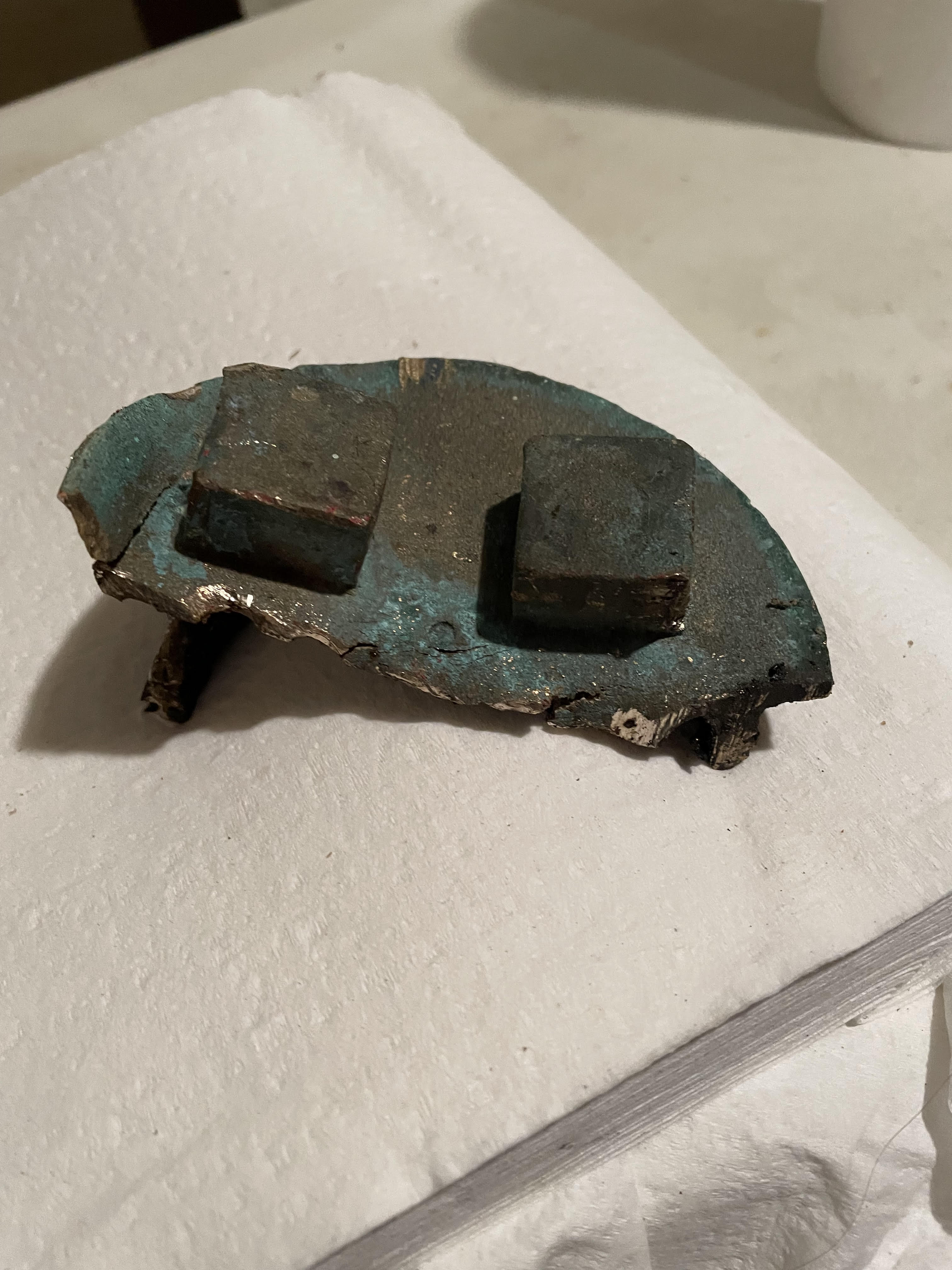
A seized sewer cleanout cap turns a fast fix into a real problem. Here's how Lucky Dog cuts out a frozen cap and replaces it with one you can open.
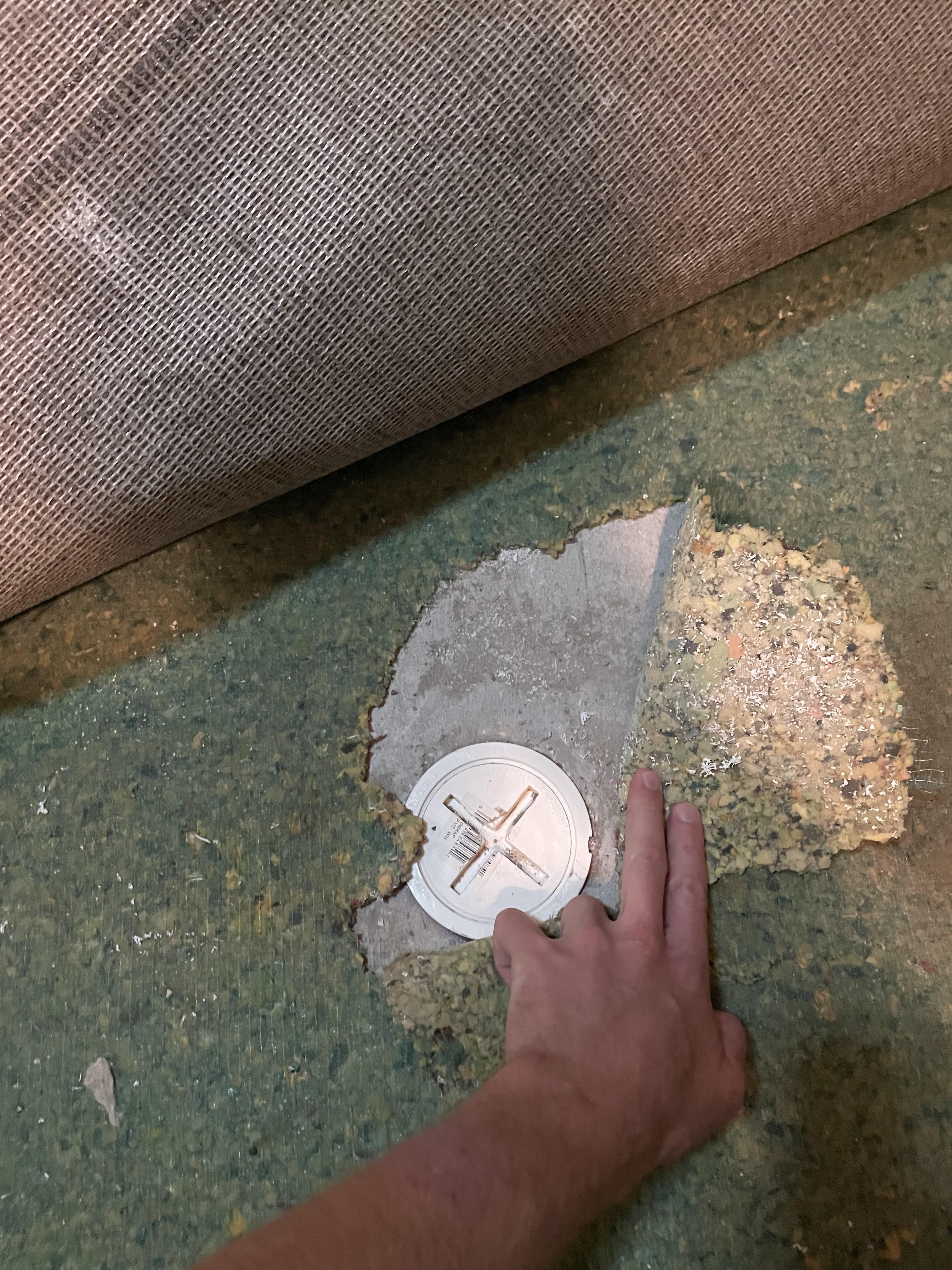
Remodelers cover sewer cleanouts with carpet, tile, and drywall more often than you'd think. Here's how to find yours, and why it matters in older homes.
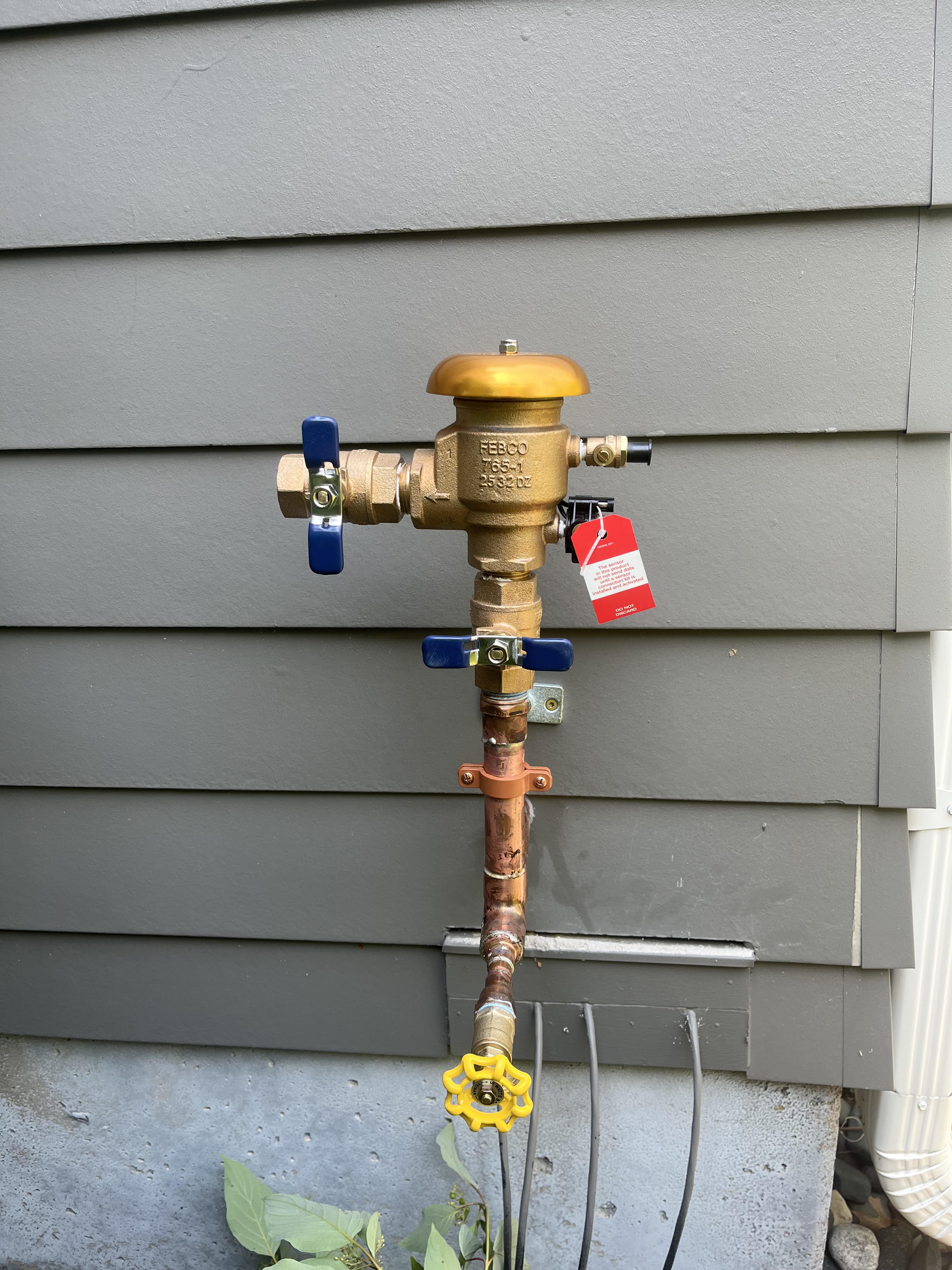
New irrigation system in Edina, St. Louis Park, or Bloomington? Minnesota code requires a backflow preventer, a permit, and annual testing every year.
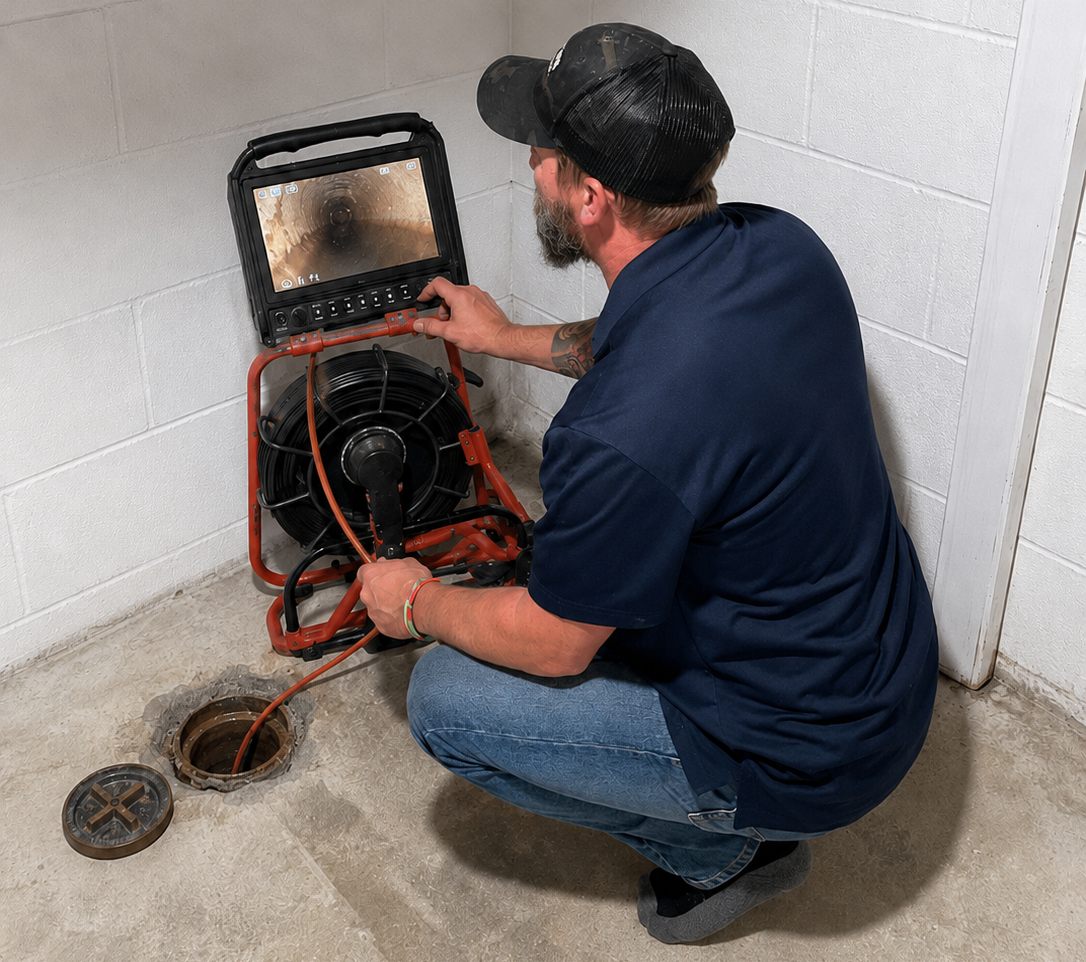
In a real estate transaction, time and momentum matter. Anything that slows things down can create unnecessary friction and potentially put the deal at risk.
If you live in Minnetonka and recently received a letter about replacing your water meter, you’re not alone. The City of Minnetonka began a multi-year water...

Before you hire anyone to clear a drain, make sure you know the ins and outs of work warranties.