
Why Old Twin Cities Homes Have Clay & Cast-Iron Pipe Problems
The west metro's most charming neighborhoods, the bungalows of Linden Hills, the 1920s homes of Edina's Country Club, the mid-century ramblers of St. Louis...
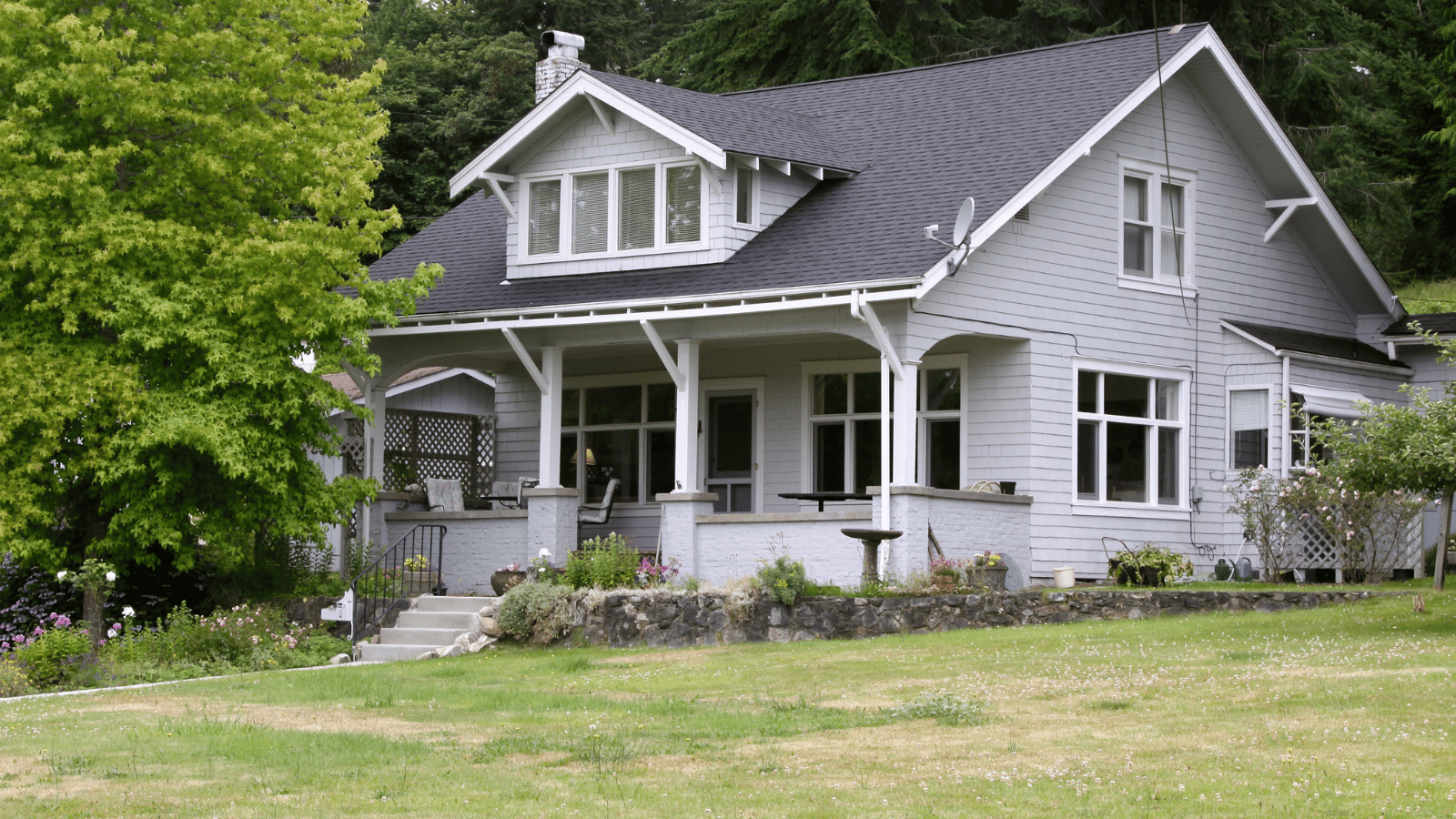

The west metro's most charming neighborhoods, the bungalows of Linden Hills, the 1920s homes of Edina's Country Club, the mid-century ramblers of St. Louis Park, share a beautiful streetscape and a hidden liability: the original sewer pipes underneath them. Clay tile and cast iron built these homes, and both materials are now reaching the end of their natural lives on a predictable timeline. Here's what's under your house and why it behaves the way it does.
Vitrified clay tile: the old standard
Most homes built before roughly the 1950s were plumbed to the street with vitrified clay tile: short pipe sections, usually two to three feet long, joined end to end. Clay is surprisingly durable against corrosion, but it has two weaknesses. First, all those joints. Every joint is a potential entry point, and after decades of Minnesota freeze-thaw heaving the soil, many have opened slightly or shifted. Joints are typically every two feet apart, so there are a lot of them in a 60-80 foot sewer line. The second weakness is our beautiful trees. The open joints in clay tile are exactly where tree roots get in, which is why root intrusion is the number-one main line problem in older neighborhoods. Clay can also crack or collapse outright once the surrounding soil shifts enough.
Cast iron: very strong, until it isn't
Homes from roughly the 1920s through the 1970s often used cast iron for the drain and sewer pipes inside and just outside the house. Many of the homes in our neighborhoods have cast iron that connects into clay tile. Cast iron is tough and won’t let roots in, but it corrodes from the inside out. Over 50-plus years, the interior scales up with rust and mineral buildup. The pipe's usable diameter slowly shrinks, catching grease and debris and clogging more easily. In the worst cases the bottom of the pipe rusts through entirely. If your older home has slow drains that were never a problem when the house was newer, interior cast-iron scaling is a common culprit. Additionally, cast iron can wear out completely after one or two descaling cleanings, so it’s important to limit grease down your drains.
Why Minnesota is especially hard on old pipe
Our freeze-thaw cycle is the primary aggravating factor. Each winter the ground freezes and heaves, then settles in spring, which adds up to hundreds or thousands of times over the pipe’s lifespan. That movement opens clay joints, stresses cast iron, and creates the bellies (sagging low spots) where lines pool and clog. Add the dense canopy of mature boulevard trees that makes these neighborhoods so desirable, and you have the perfect conditions for root intrusion into aging joints.
What this means for your home
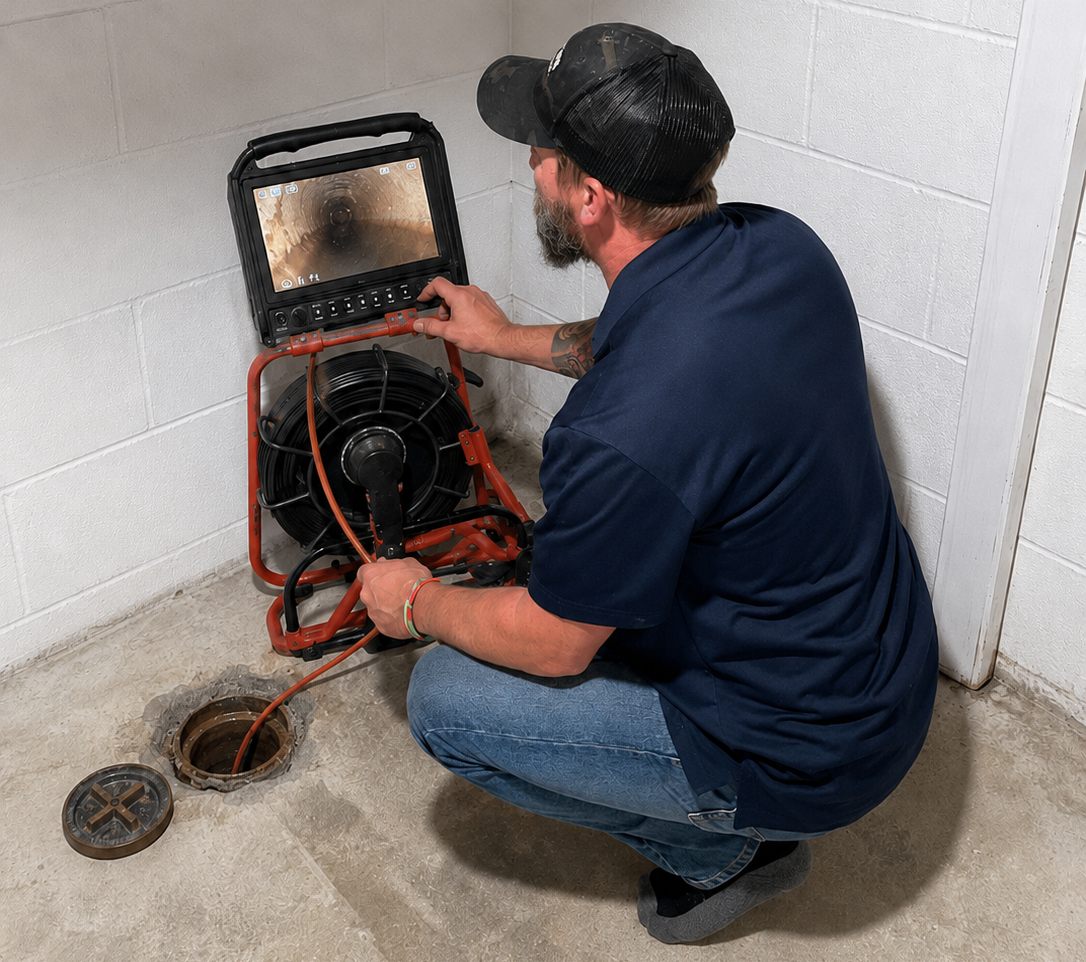
None of this means your old line is doomed; plenty of clay and cast-iron lines keep working for decades with simple maintenance. But it does mean that it’s worth assessing your sewer’s condition with a camera inspection even if you don’t have any issues right now.
The smart approach for an older west metro home
Don't pour chemical cleaners down old clay or cast iron. They can accelerate damage to already-fragile pipe.
Clear clogs mechanically (cabling or jetting). Scope the line to learn its condition.
For a line with a known root or scale issue, a scheduled annual cleaning keeps it flowing and heads off surprise backups.
When a line is genuinely failing, modern trenchless lining can rebuild it from the inside without digging up your yard. We can help you scope it and whether this solution fits your home’s needs.
Old pipe is part of owning a beautiful old home. Knowing its condition and staying ahead of it is how you keep it from becoming an emergency.
Curious what's under your older home? Call or text Lucky Dog for a sewer camera inspection. We'll show you exactly what you're working with.
Read similar articles
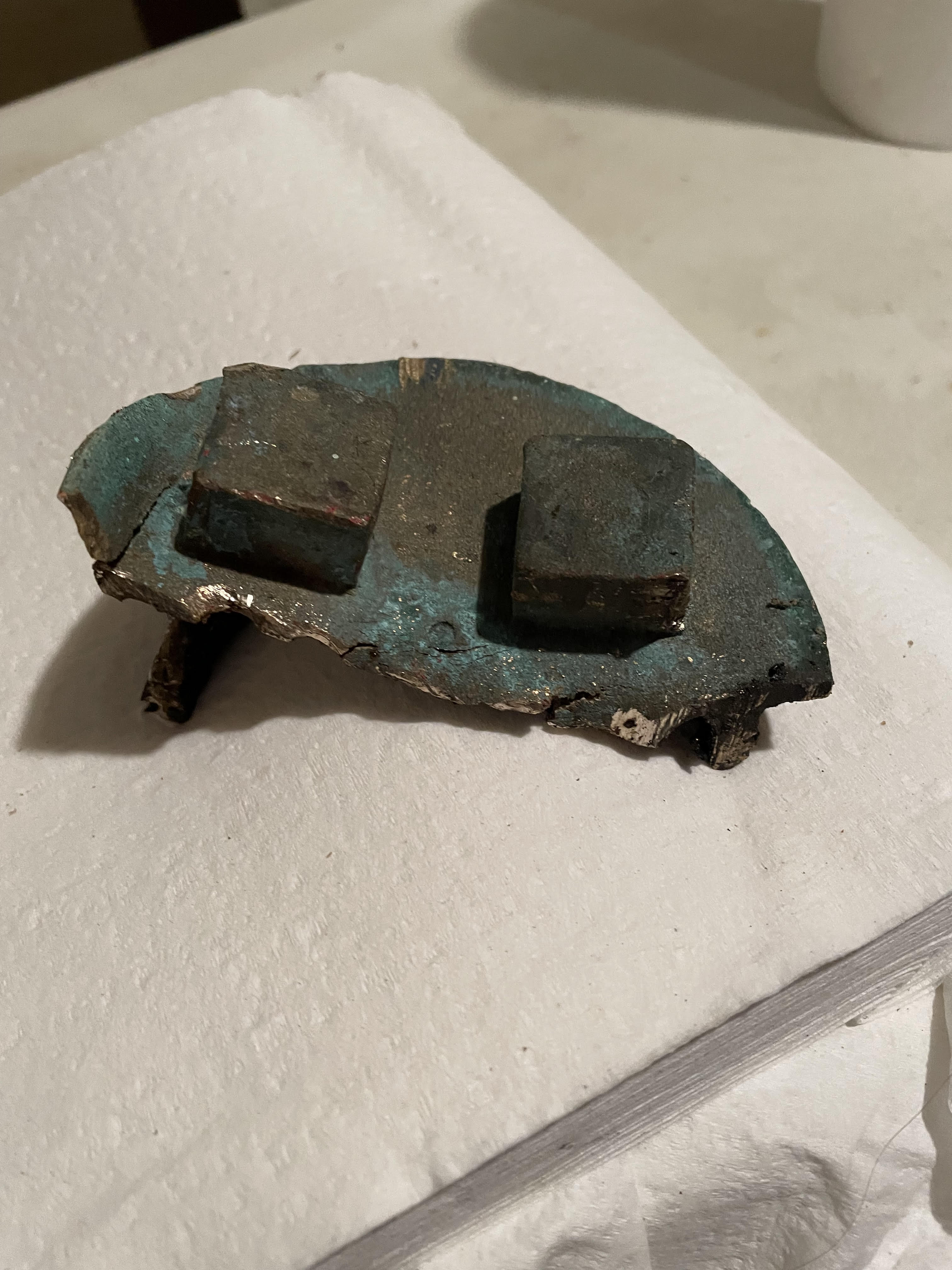
A seized sewer cleanout cap turns a fast fix into a real problem. Here's how Lucky Dog cuts out a frozen cap and replaces it with one you can open.
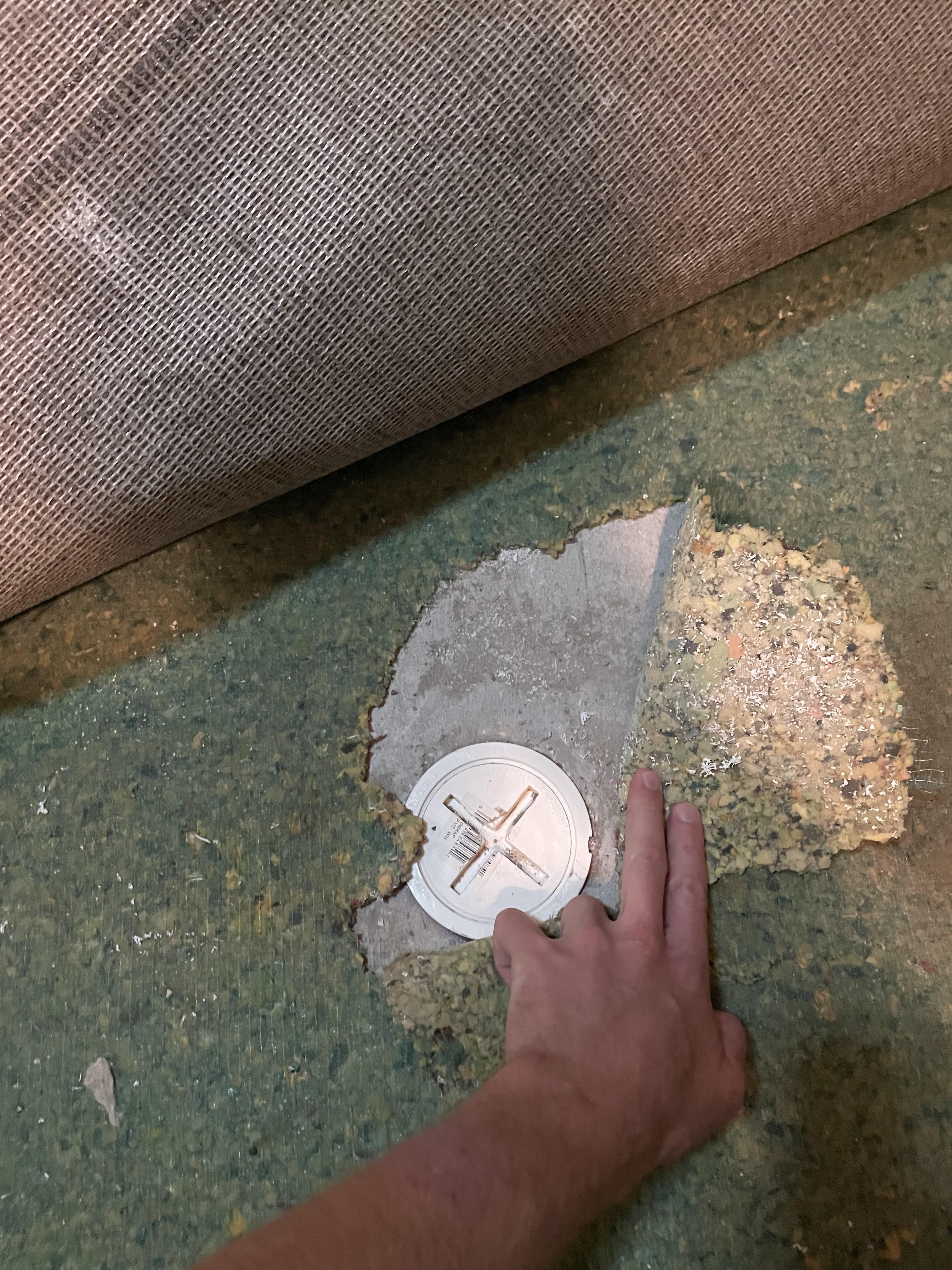
Remodelers cover sewer cleanouts with carpet, tile, and drywall more often than you'd think. Here's how to find yours, and why it matters in older homes.
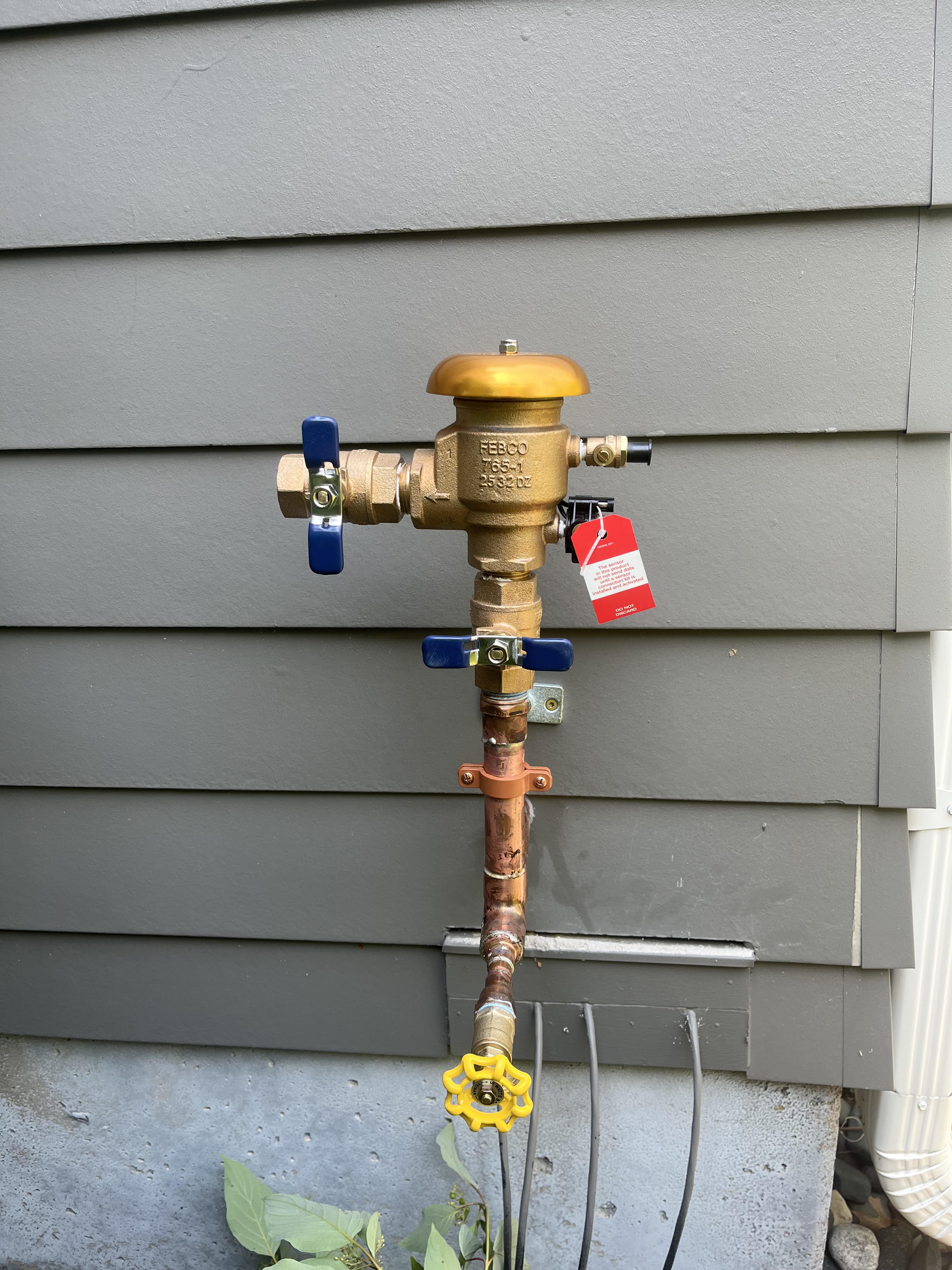
New irrigation system in Edina, St. Louis Park, or Bloomington? Minnesota code requires a backflow preventer, a permit, and annual testing every year.
In a real estate transaction, time and momentum matter. Anything that slows things down can create unnecessary friction and potentially put the deal at risk.
If you live in Minnetonka and recently received a letter about replacing your water meter, you’re not alone. The City of Minnetonka began a multi-year water...

Before you hire anyone to clear a drain, make sure you know the ins and outs of work warranties.