
Two Underground Eras: The Story of St. Louis Park's Sewer Lines
When it comes to sewer lines, St. Louis Park is really two different cities. Most of SLP is a postwar suburb with relatively young pipe, but the eastern...


When it comes to sewer lines, St. Louis Park is really two different cities. Most of SLP is a postwar suburb with relatively young pipe, but the eastern neighborhoods bordering Minneapolis and Edina are a full generation older, with original clay lines close to a century old. Knowing which part of St. Louis Park your home is in tells you a lot about what is under your yard.
The postwar Park: a city built in a single burst
St. Louis Park started as a small industrial village in the 1890s, but it barely grew through the Depression and the war. Then came the boom. Sixty percent of St. Louis Park’s homes were built in a single stretch from the late 1940s to the early 1950s, as tens of thousands of new residents arrived. That means much of the city runs on sewer lines dating from 1948 to 1955.
Here is why that matters. The postwar building boom is exactly the era of Orangeburg pipe, a bituminized fiber material made of wood pulp and tar that was used widely in Minnesota homes from the 1940s into the 1970s because steel was scarce. Orangeburg is cheap, and it was meant to be a temporary solution to steel shortages. It softens, absorbs water, deforms into an oval, and lets roots push through, and its useful life is only about 50 years, sometimes far less. If your SLP home is from the postwar boom, the single most useful thing you can learn is whether your line is clay or Orangeburg, and the only way to know is to look inside it.
The old east side: original clay from the 1920s
The eastern neighborhoods, the ones closest to Minneapolis and Edina, tell a different story. These were built a generation before the postwar boom, on original clay lines.
Minikahda Vista is the clearest example. Subdivision of the old Hanke farm began in the early 20th century. The first plats were recorded in 1916 and 1917, and the main Minikahda Vista plat was recorded in 1925. Deed restrictions required two-story single-family homes, so this is a cohesive neighborhood built roughly between 1916 and 1935, overlooking the adjacent Minikahda Club. Fern Hill and Brookside, two of the old social neighborhoods of the village, developed largely in the 1920s and 1930s, and Browndale, on the Edina border, shares both its name and its era with Edina's Country Club next door. In all these east side pockets, the original laterals are clay from the 1920s and 1930s, with the occasional postwar rebuild mixed in.
What each material means for your home
If you have clay, which is likely on the older east side, the pipe body is durable, but the mortar joints separate over decades of freeze and thaw, and roots find them. If you have Orangeburg, which is possible anywhere in the postwar bulk of the city, the whole pipe is the weak point, and a line that is fifty or more years old is well past its intended life. Either way, the age of your home points you toward the likely material, and a camera inspection confirms it and shows you the condition.
What to do, wherever your home sits in the Park
Start by figuring out roughly when your home was built, then find out what is actually under it. For an older east side home, a camera inspection tells you whether your clay line is holding up or separating at the joints. For a postwar home, it tells you whether you have Orangeburg quietly reaching the end of its life. In both cases, knowing now beats finding out during a backup.
That is what we do at Lucky Dog Sewer & Drain. We clean and camera every main line, quote a flat rate before we start, and because we do drain and sewer work only and no repairs, we have no reason to find a problem that is not there. If the footage shows an Orangeburg line near end of life, or a clay line with a real defect, we show you the screen and point you to an honest fix. Our free 12-Point Drain Health Assessment™ grades what we find so you have a documented baseline.
Own a home in St. Louis Park? Contact Lucky Dog Sewer & Drain to find out whether your line is clay or Orangeburg, and what shape it’s in.
Read similar articles
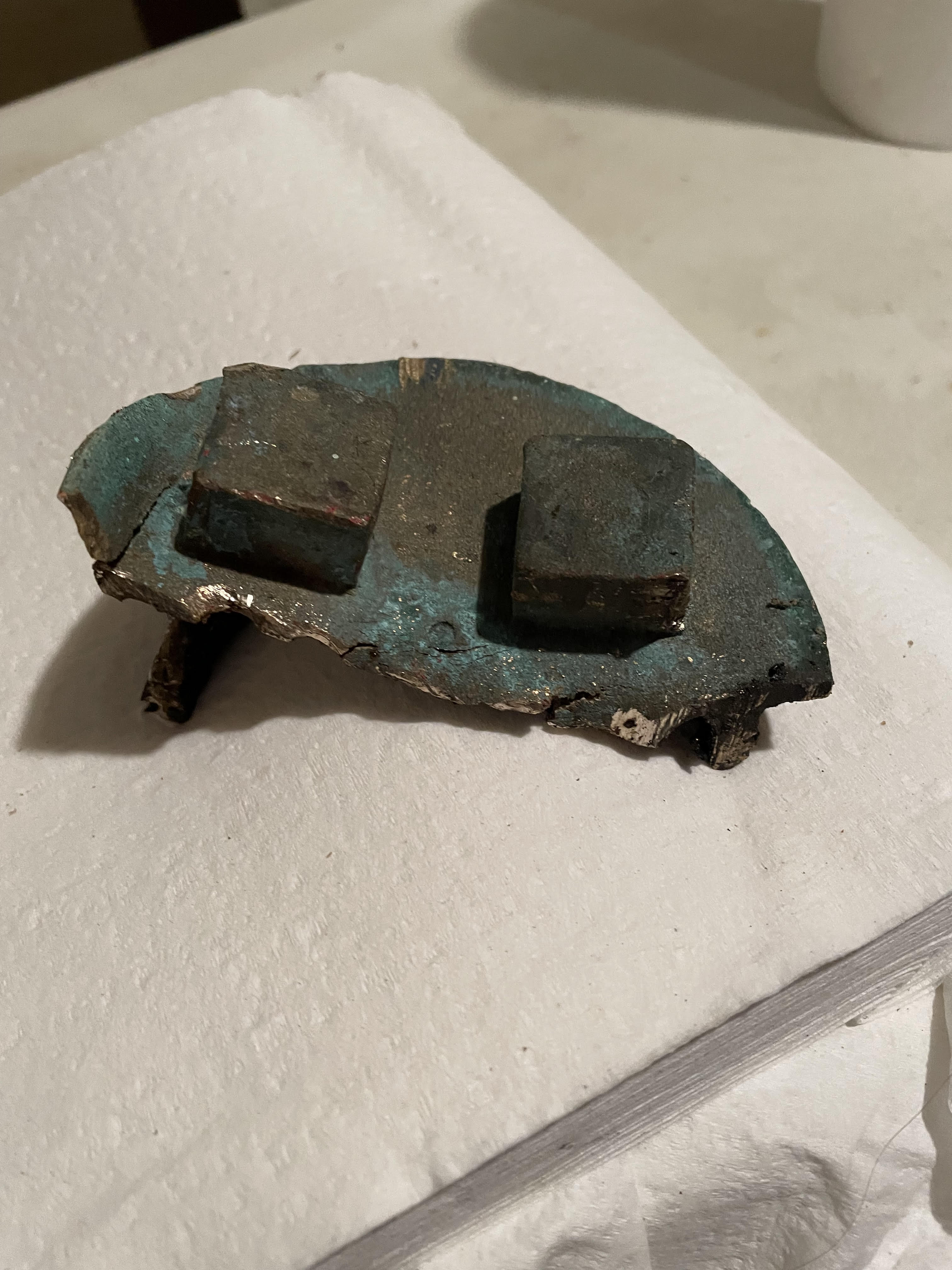
A seized sewer cleanout cap turns a fast fix into a real problem. Here's how Lucky Dog cuts out a frozen cap and replaces it with one you can open.
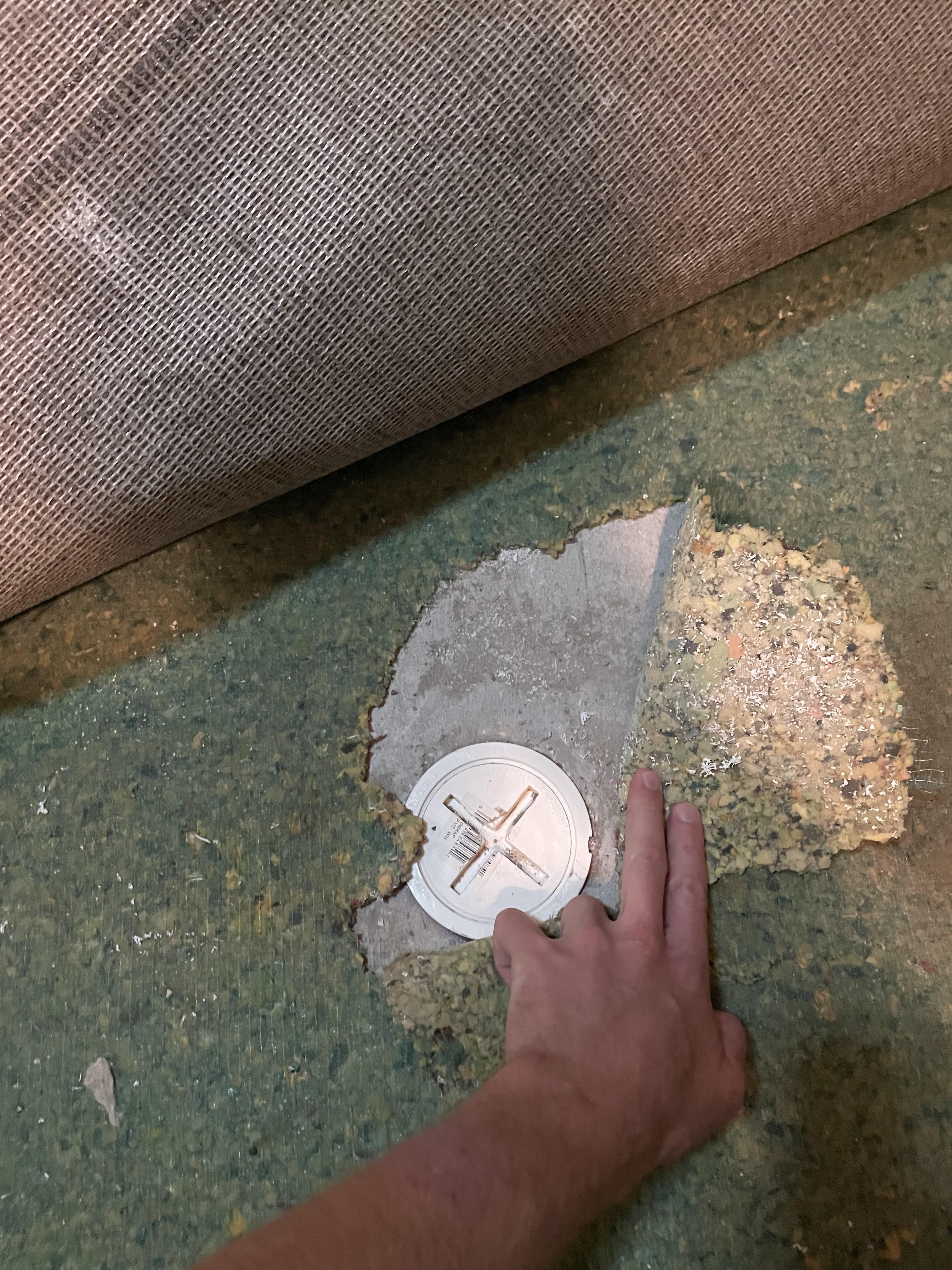
Remodelers cover sewer cleanouts with carpet, tile, and drywall more often than you'd think. Here's how to find yours, and why it matters in older homes.
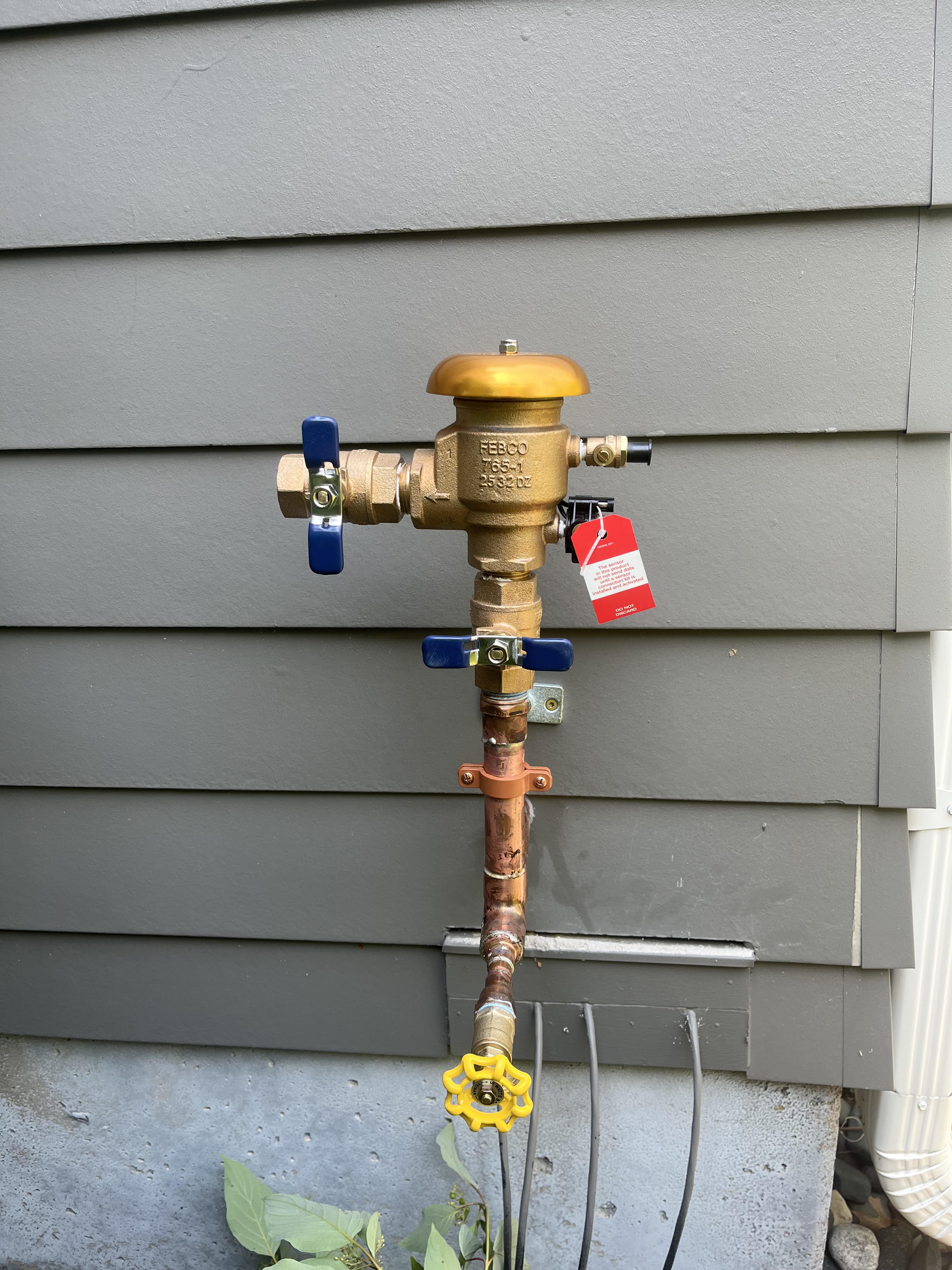
New irrigation system in Edina, St. Louis Park, or Bloomington? Minnesota code requires a backflow preventer, a permit, and annual testing every year.
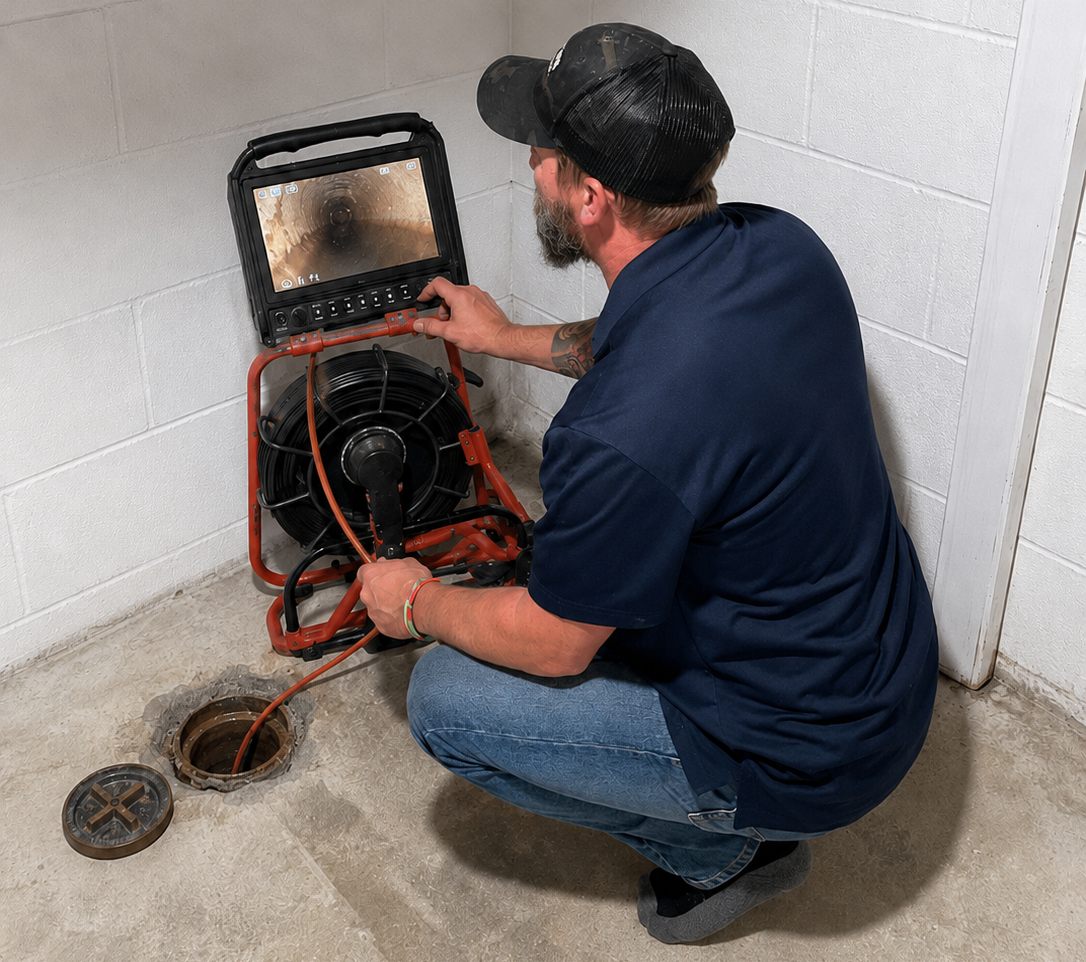
In a real estate transaction, time and momentum matter. Anything that slows things down can create unnecessary friction and potentially put the deal at risk.
If you live in Minnetonka and recently received a letter about replacing your water meter, you’re not alone. The City of Minnetonka began a multi-year water...

Before you hire anyone to clear a drain, make sure you know the ins and outs of work warranties.