5 Plumbing Problems Home Inspections Miss (and What They Cost Twin Cities Buyers)
Buying a home in Minnetonka, Edina or the West Metro? 5 plumbing issues inspectors often miss, from old water heaters to seized sewer cleanouts, and what they cost.

Over the past few weeks, we’ve seen both sides of home sales: new homeowners, a realtor who just bought a house, an attorney handling liability from a real estate transaction, general contractors, and property managers. We’ve observed a few trends. Some plumbing issues get overlooked or mischaracterized during the inspection period, and buyers find out after closing.
None of these are dramatic on their own. But together, they can mean thousands of dollars in surprise repairs in the first year or two of owning a home. Here are five issues we’ve run into recently across Minnetonka, Edina, Mound, Minnetrista, Richfield and the West Metro, and what to ask about before you sign.
1. Water heater age: “newer” is relative
Most tank water heaters last about 8 to 12 years. Age is the single best predictor of when one will fail, so it should be stated plainly in the inspection report, not described with words like “older” or “newer.”
We recently saw a Minnetonka inspection that called a water heater “newer.” It was 17 years old. It only looked new next to its twin, which was 23. Both were well past their expected life. Fortunately, the buyer had purchased a home warranty, which may cover the replacement.
What to do: Find the manufacture date on the unit’s data plate (it’s often coded into the serial number). If the heater is over 10 years old, budget for a replacement or negotiate for it. Check for rust at the base, moisture around the tank, and a working temperature and pressure relief valve.
2. Main water shutoff valve: test it before you need it
Your main shutoff is the one valve that stops water from pouring into your house during a burst pipe or failed fitting. It needs to be accessible, and it needs to actually close. Older gate valves often seize after years of never being turned, or break when someone finally tries.
Replacing a defective main shutoff typically costs a few hundred dollars. Finding out it doesn’t work while water is spreading across a finished basement costs far more.
This matters right now in Minnetonka. The city’s water meter replacement program requires working shutoff valves on both sides of the meter before the new meter can go in, and asks owners to hire a licensed plumber to repair or install valves beforehand. Edina is running a similar meter program and also asks residents to confirm their incoming shutoff valves close fully.
What to do: Ask the inspector to locate and operate the main shutoff, or have a plumber do it during the inspection window. If it’s stiff, leaking or won’t fully close, ask the seller to replace it.
3. Sewer lines over 100 feet: cleanouts matter
Longer sewer lines are common on larger West Metro lots, especially around the lakes. The Minnesota Plumbing Code calls for cleanouts on building sewers at intervals of no more than 100 feet. Many older homes were built before that standard and don’t have them.
Code aside, a mid-line cleanout is good practice even if the line doesn’t need a liner. It gives a plumber a way into the pipe when there’s a clog or backup, instead of fighting from one end. Recently, in Mound, we reviewed a sewer camera video where the camera couldn’t get past 117 feet because of turns and scale buildup in the pipe. We ran into a similar situation in Minnetrista. Anything past that point is effectively uninspected, and hard to clear.
What to do: If the sewer scope can’t reach the city connection, treat that as a finding, not a footnote. Ask for a cleanout to be installed, or negotiate roughly $5,000 to $7,500 off the price to cover the work.
4. Sewer cleanout access: take the cap off
In cities with older clay and cast iron sewer lines and frequent root intrusion, such as Edina, St. Louis Park, Minneapolis and St. Paul, the sewer cleanout is your first line of defense. A backup that could be cleared in an hour through a working cleanout can turn into a much bigger job if the cap won’t come off.
If the home has a cleanout, the inspector should actually remove the cap and confirm it isn’t seized, rusted or frozen in place. If it’s buried, covered by carpet, or boxed in behind finished walls, it should be made accessible. We’ve seen seized or inaccessible cleanouts recently in Minnetrista, Richfield and Edina.
What to do: Ask whether the cleanout cap was opened during the inspection or sewer scope. If it wasn’t, have it checked before closing.
5. Outdoor spigots: check them before winter
Outdoor spigots leak more often than people expect, and a cracked frost-free spigot can leak inside the wall where you won’t see it. Replacing one typically runs $350 to $1,000 or more, depending on how accessible the water line is from inside the house. A finished basement ceiling or wall usually pushes it to the high end due to the demo and carpentry required to access it.
We’ve had a lot of calls lately from homeowners trying to get spigots replaced before the first hard freeze.
What to do: Run each outdoor spigot during the inspection and check for leaks inside and out. Confirm each has a functional interior shutoff so it can be winterized.
Why the small stuff adds up
During a real estate transaction, these can feel like minor details next to the roof, foundation, and furnace. But a worn-out water heater, a seized shutoff, a sewer line nobody can fully scope, a stuck cleanout and a couple of leaking spigots can easily add up to $10,000 or more. Worse, they tend to show up one at a time over the first few years, each one its own emergency call and its own headache.
Our goal is simple: help homeowners avoid costly repairs and catch as many preventable plumbing problems as possible before closing on a new home, while there’s still leverage to negotiate.
Buying a home in the Twin Cities West Metro?
Lucky Dog Sewer & Drain helps buyers, realtors, and property managers across Minnetonka, Edina, St. Louis Park, Wayzata, Mound, Minnetrista and the surrounding area catch plumbing and sewer problems before they become post-closing surprises. That includes sewer camera inspections, cleanout checks and installs, shutoff valve replacements and spigot repairs.
Call us during your inspection window and we’ll help you know what you’re buying. We provide second opinions on plumbing and sewer issues over phone, via pictures, or in person.
Read similar articles

A Hopkins homeowner lost gas and hot water after CenterPoint found basement leaks. How Lucky Dog had a plumber there in an hour and got gas restored the same day.
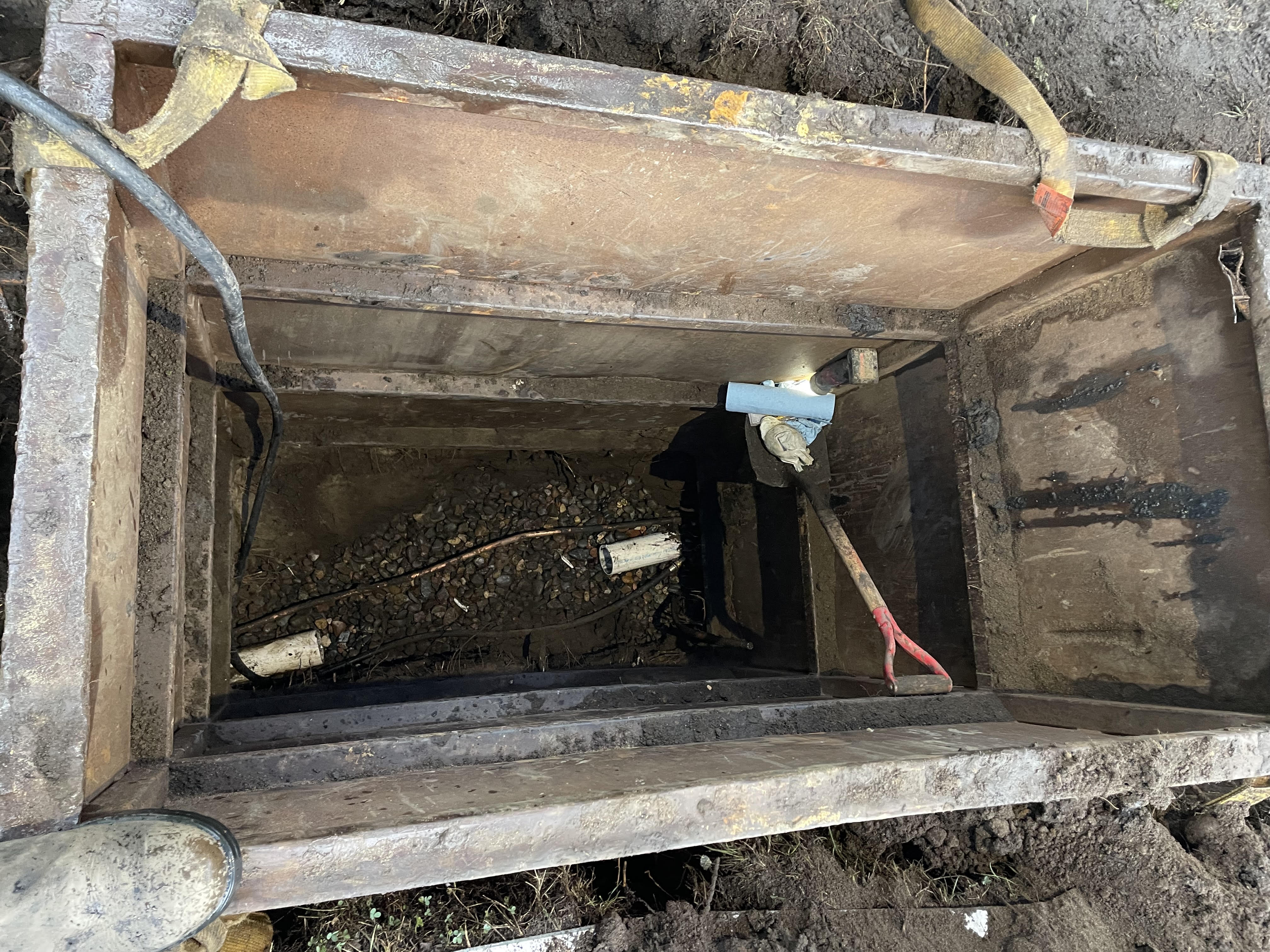
Should you hydro jet your sewer line or replace it? How a Twin Cities HOA weighed backups, pipe condition, cost, and risk, and when jetting stops making sense.

A restaurant sewer backup costs far more than the drain cleaning. A real Edina case shows how preventive hydro jetting protects revenue, tenants and leases.

Buying a home in Minnetonka, Edina or the West Metro? 5 plumbing issues inspectors often miss, from old water heaters to seized sewer cleanouts, and what they cost.
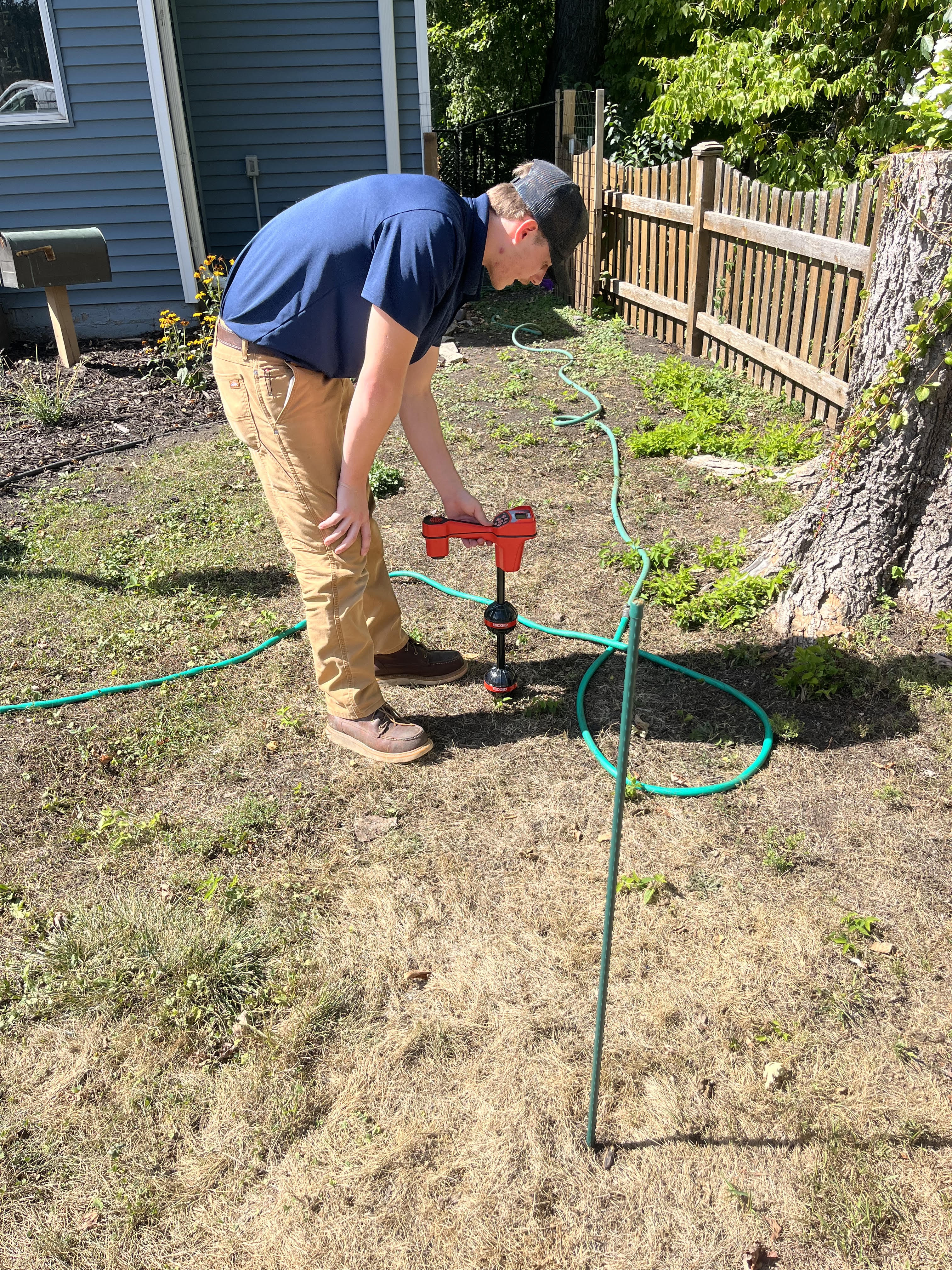
A sewer liner is one of the most expensive quotes a homeowner will see. When a liner makes sense, when it might not, and questions to ask before you sign.
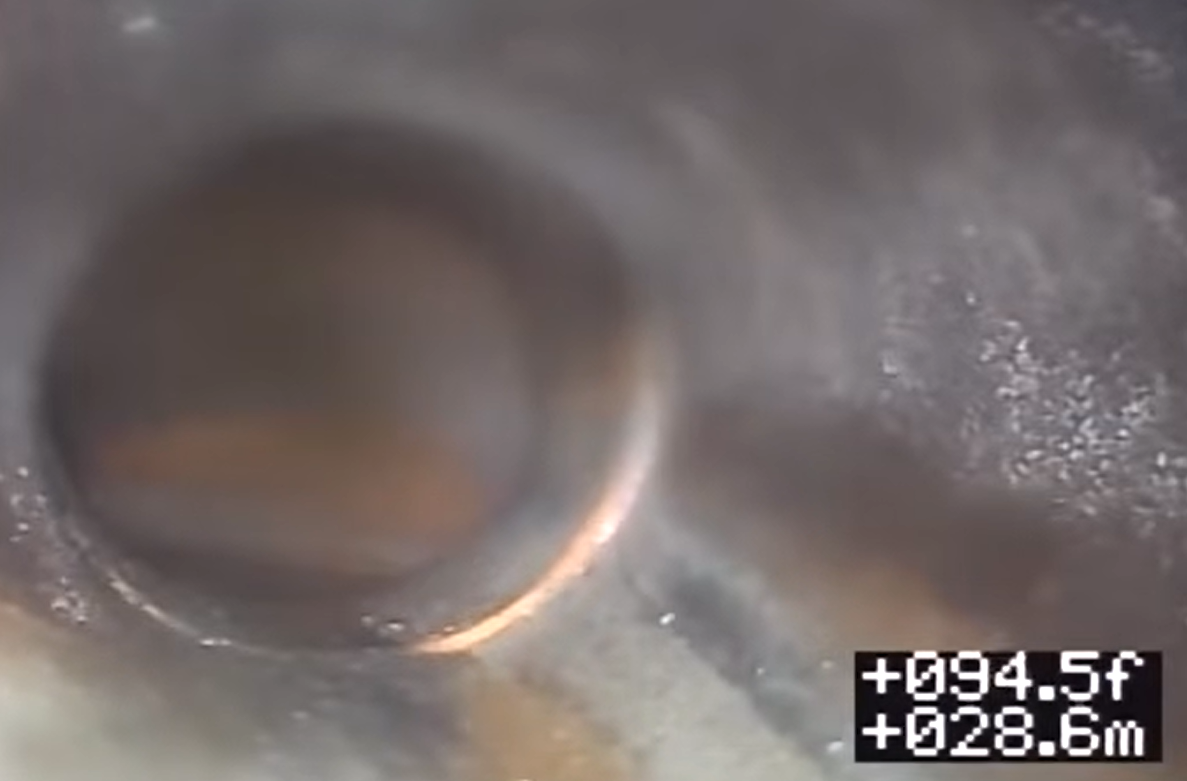
Your drain tech says "belly" and "offset." Here's what each sewer camera finding means, how serious it is, and the typical fix.