
Do You Need a Backflow Preventer for Your Irrigation System? Here Is What Minnesota Code Actually Requires
New irrigation system in Edina, St. Louis Park, or Bloomington? Minnesota code requires a backflow preventer, a permit, and annual testing every year.

What a Backflow Preventer Actually Does
Your irrigation system ties into your home's potable water supply, the same pipes that feed your kitchen sink and shower. Under normal conditions, water only flows one direction: out of the house and into your sprinkler heads.
But if there is a sudden drop in municipal water pressure (e.g., a water main break or a shutoff for repair nearby), water can siphon backward. If that happens while your sprinkler heads are sitting in fertilizer, standing water, or soil, that contamination can get pulled back into the drinking water supply, not just your house, but potentially your neighbors too, depending on where the failure occurs relative to the water main.
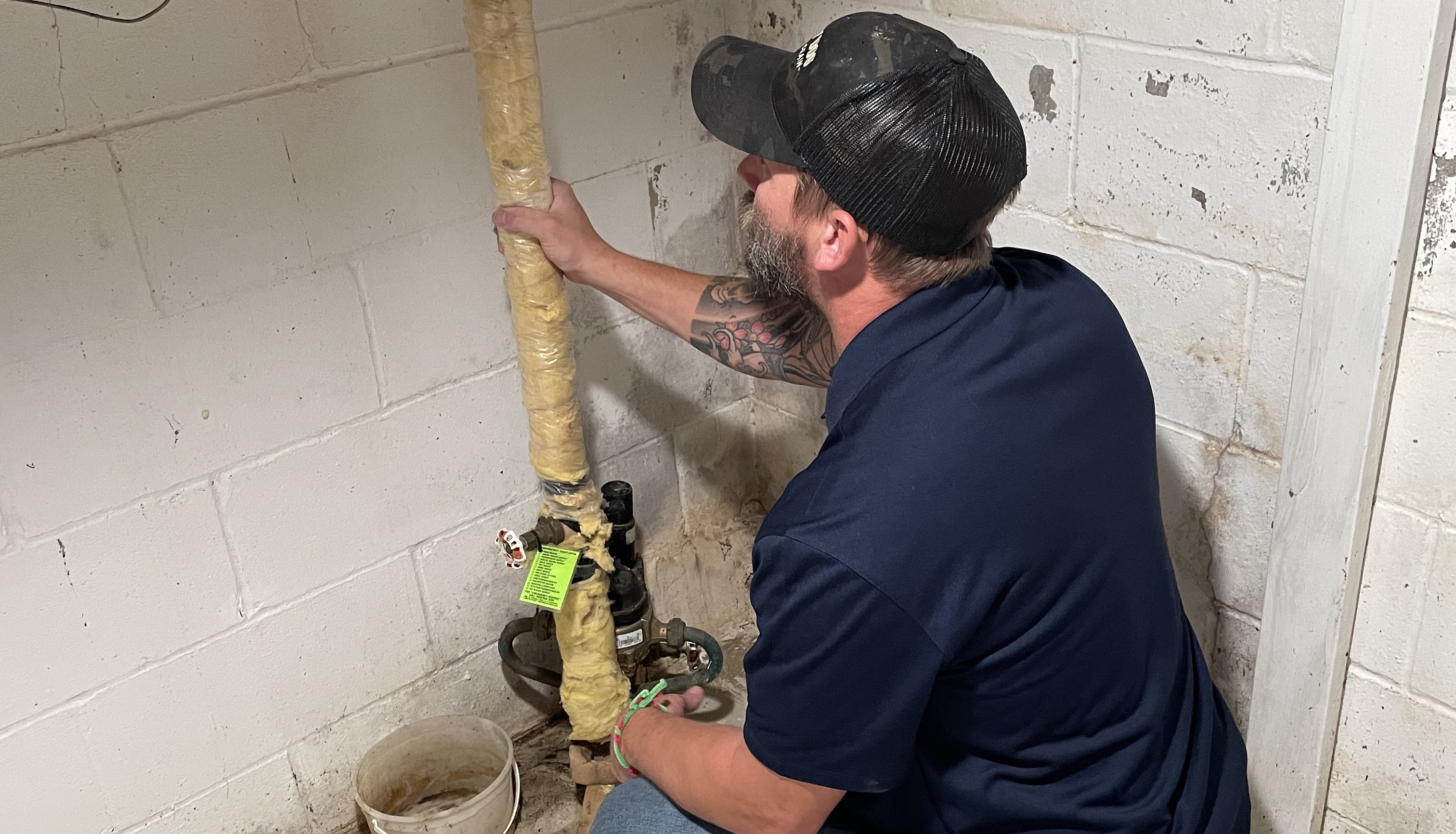
A backflow preventer stops that. It is a mechanical assembly, typically a pressure vacuum breaker (PVB) for irrigation, or a reduced pressure zone (RPZ) assembly for higher hazard connections, installed between your home's water supply and the irrigation system. It only allows water to flow one direction.
This is why irrigation companies do not just tap into an outdoor spigot and call it done. A code-compliant install ties the irrigation line into your existing water supply through a dedicated backflow assembly, positioned correctly (a PVB has to sit at least 12 inches above the highest sprinkler head on the property) so it can actually do its job.
Why This Is Required by Code, Not Optional
Minnesota's plumbing code (Minnesota Rules Chapter 4714, based on the Uniform Plumbing Code) treats cross connection control as a public health issue, not a homeowner preference. Chapter 4714.0603 specifically requires backflow prevention on connections where a hazard exists, and an irrigation system, by definition, qualifies because of contact with soil, fertilizer, and standing water.
There is a second piece of this that is newer and catches even more people off guard: under the current Minnesota Plumbing Code, outdoor water outlets, hose bibbs, yard hydrants, any potable water outlet with a hose connection, are required to have an integral vacuum breaker or be a listed self-draining, frost-proof hose bibb with backflow protection built in. That requirement is not limited to irrigation systems. It applies to the exterior spigot on the side of your house. If you are replacing an old hose bibb or building an addition, code requires the upgrade.
Between the irrigation specific backflow assembly and the outdoor hose bibb requirement, Minnesota has effectively closed the loop on outdoor water supplies as a contamination pathway. Cities like Edina, St. Louis Park, and Bloomington enforce this through their own plumbing permit and inspection process, but the underlying requirement comes from the state code.
What This Means for Your Permit
Installing a backflow preventer is not a job you or your irrigation contractor can just do and walk away from. It requires:
- A plumbing permit, pulled before the work starts, covering the connection from your water line to the backflow assembly.
- Installation by a licensed plumber. Irrigation companies are excellent at design, head placement, and zone programming, but the backflow tie-in to your potable water line is plumbing work, and it has to be done or supervised by someone properly licensed.
- A city inspection of that connection before it is buried or closed up, confirming the assembly is installed correctly and positioned at the right height.
This is exactly the gap Lucky Dog fills for irrigation companies and homeowners in the west metro. We handle the permit paperwork, perform or coordinate the licensed plumbing tie in at the water supply, and schedule the city inspection, so the irrigation company can focus on designing and installing the system, and you do not end up with an uninspected, noncompliant connection buried under your lawn that becomes a problem when you go to sell the house.
The Part Nobody Tells You: Annual Testing Never Stops
Here is what a lot of homeowners do not realize until a year after their irrigation system goes in: the backflow preventer has to be tested annually, for as long as the system exists. This is not a one-time inspection at install. Minnesota code requires testing at installation and at least once every year after that, with results reported to the local building authority, typically within 30 days.
And you cannot just have anyone test it. Minnesota licenses two distinct credentials:
- A Backflow Prevention Tester can test the assembly and confirm it is working, but cannot repair or rebuild it. This certification requires ASSE 5110 training. It does not require a plumbing license.
- A Backflow Prevention Rebuilder can install, repair, replace, or rebuild the assembly, but that credential requires the person to already hold an active Minnesota plumbing license, plus both ASSE 5110 and ASSE 5130 certification.
In practice, that means the person who shows up to test your device in May and confirms it passed is not necessarily qualified to fix it if it fails. If your backflow preventer needs a new check valve or a rebuild, that is licensed plumber territory. Lucky Dog can coordinate both sides of this so you are not making two separate calls and hoping they talk to each other.
The Bottom Line
If you are putting in a new irrigation system in Edina, St. Louis Park, Bloomington, or anywhere in the west metro, plan for three things up front: a backflow preventer sized and positioned correctly, a permit and inspection on the plumbing connection, and an annual test that is now a permanent line item on your home maintenance calendar. Skipping any of these is not just a code violation. It is the kind of thing that might surface at a bad time, like during a home sale.
Lucky Dog Sewer & Drain works directly with irrigation companies across the west metro to handle the permitting, the licensed plumbing tie in, and the inspection scheduling on backflow installations, so the system goes in right the first time. If you are an irrigation contractor who needs a plumbing partner for backflow tie ins, or a homeowner who wants to confirm your existing system is compliant, give us a call.
Read similar articles
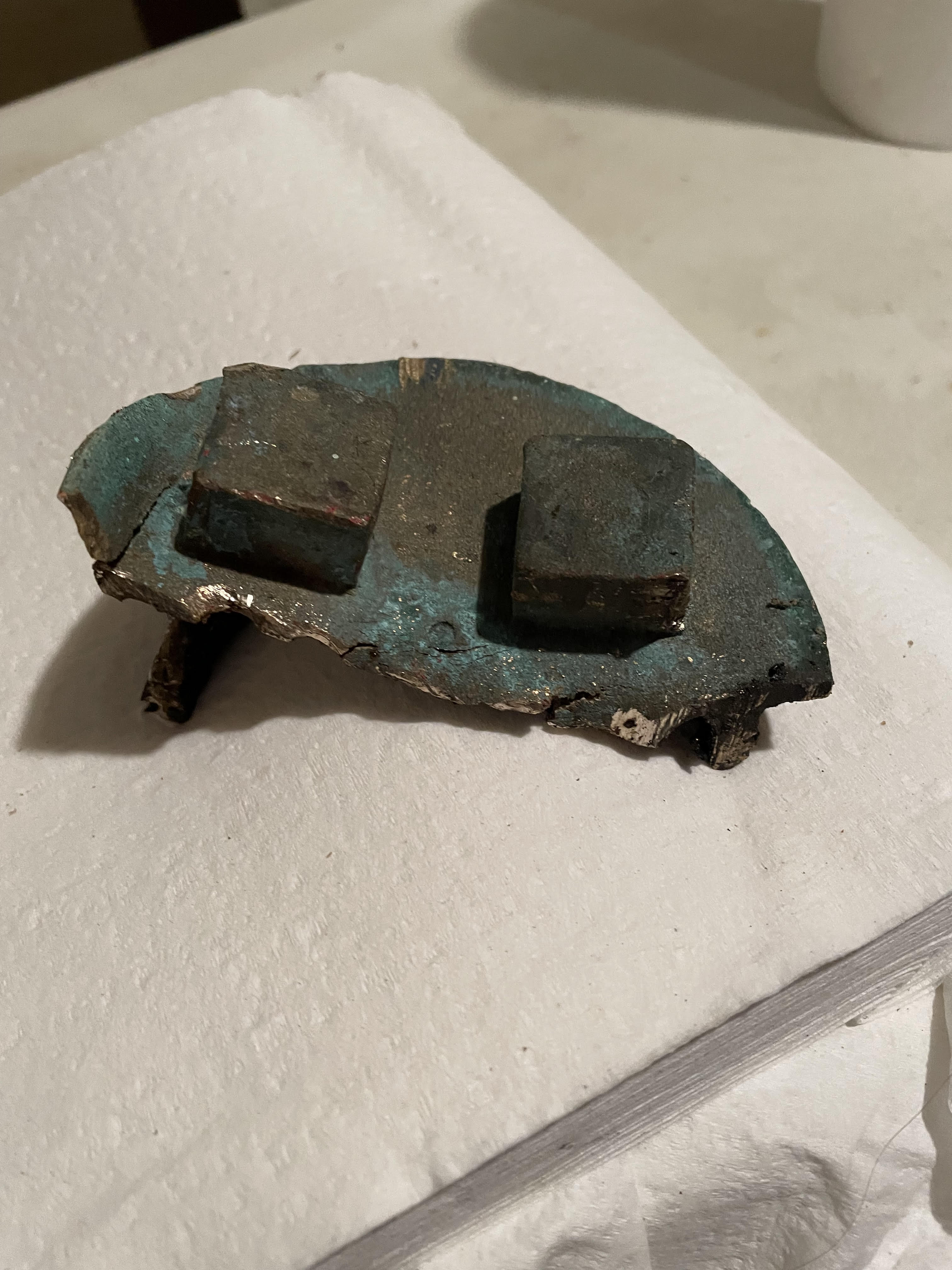
A seized sewer cleanout cap turns a fast fix into a real problem. Here's how Lucky Dog cuts out a frozen cap and replaces it with one you can open.
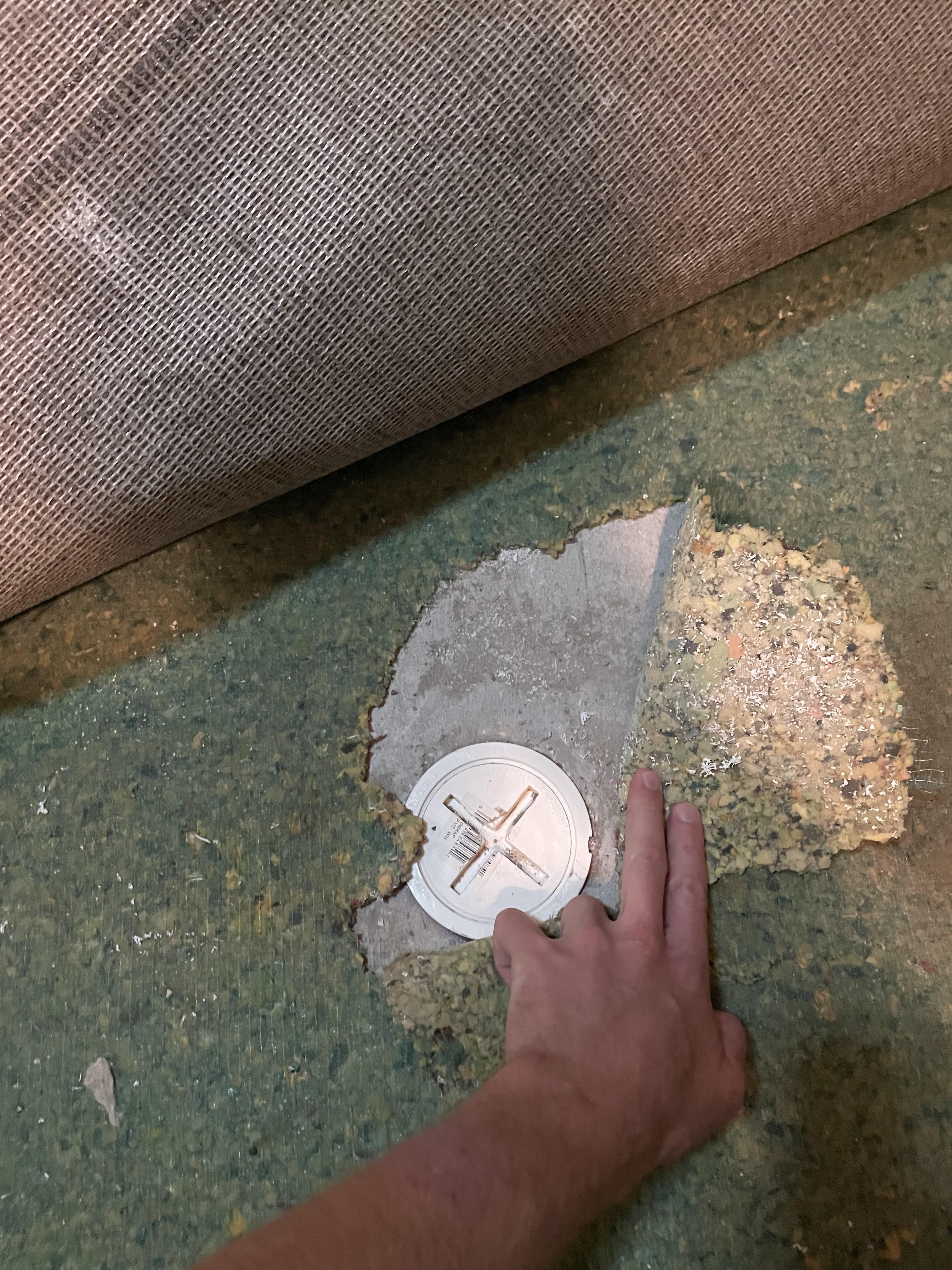
Remodelers cover sewer cleanouts with carpet, tile, and drywall more often than you'd think. Here's how to find yours, and why it matters in older homes.
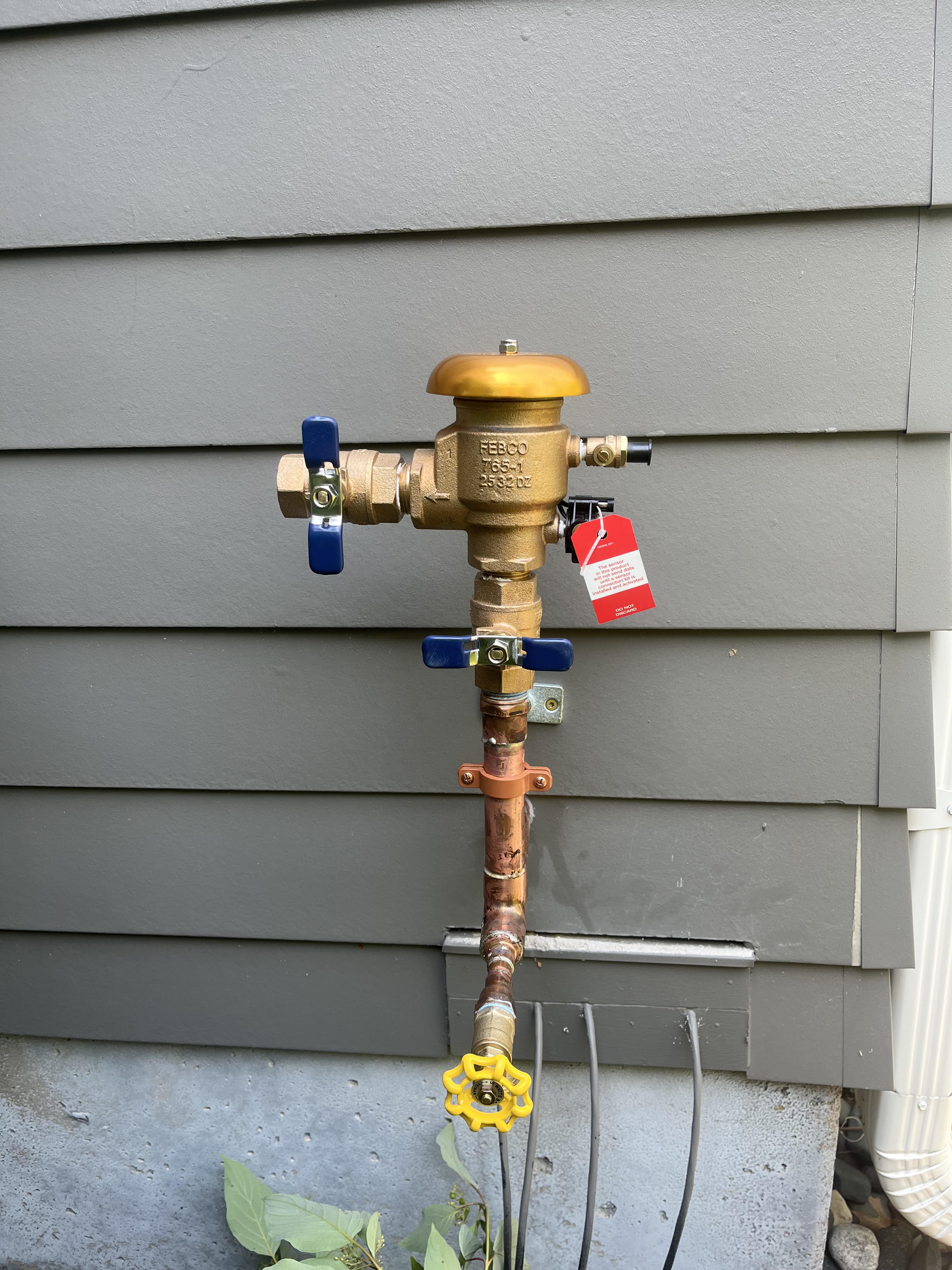
New irrigation system in Edina, St. Louis Park, or Bloomington? Minnesota code requires a backflow preventer, a permit, and annual testing every year.
In a real estate transaction, time and momentum matter. Anything that slows things down can create unnecessary friction and potentially put the deal at risk.
If you live in Minnetonka and recently received a letter about replacing your water meter, you’re not alone. The City of Minnetonka began a multi-year water...

Before you hire anyone to clear a drain, make sure you know the ins and outs of work warranties.