Do You Know Where Your Sewer Cleanout Is?
Remodelers cover sewer cleanouts with carpet, tile, and drywall more often than you'd think. Here's how to find yours, and why it matters in older homes.

How Cleanouts Get Buried
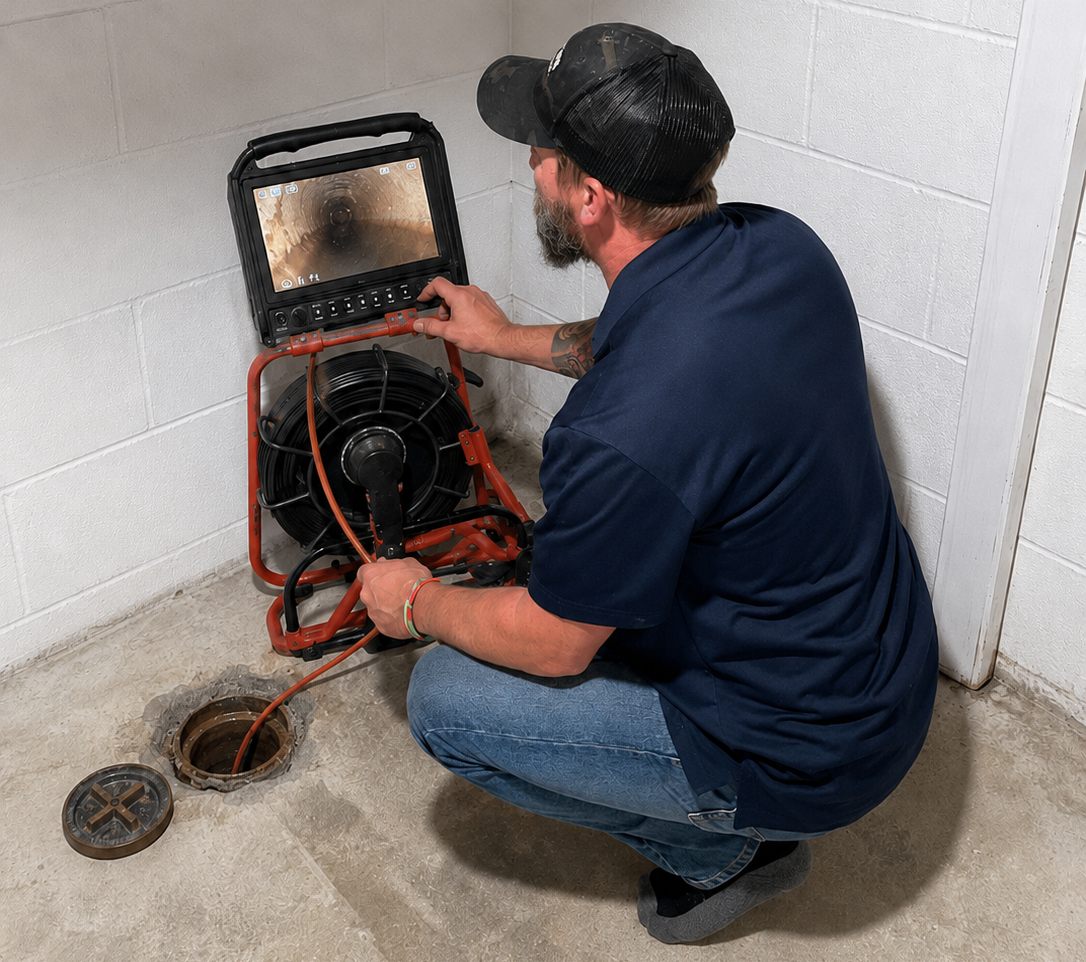
A sewer cleanout is a capped access point that lets a plumber or drain technician get a cable or camera directly into your sewer line without pulling a toilet or digging up your yard. It is meant to stay visible and accessible. In practice, it does not always work out that way.
Basement finishing projects are the most common culprit. A cleanout sitting in an unfinished utility room or a corner of the basement gets carpeted, tiled, or framed and drywalled over during a remodel because nobody flagged it, or because whoever did the work did not think it mattered. Older homes in Edina and the western suburbs, many built in the 1950s and 60s, routinely have cleanouts that have been through two or three finishing projects since the house was built, and there is a real chance the current owner has no idea one exists behind that wall or under that flooring.
The problem is not a cosmetic one. It is an access problem, particularly if you have a sewer emergency.
Why This Actually Matters
Emergencies do not wait for a convenient time to occur. If your sewer backs up at 9pm on a Saturday, the fastest and least invasive way to clear it is through the sewer cleanout. If that cleanout is buried under tile or framed behind drywall, the options get worse fast: pulling a toilet to get a cable down through the flange, which works, but adds cost and time to what should be a straightforward call, or a technician spending valuable time locating and exposing a buried access point while water backs up.
Twin Cities sewer lines are aging, and you want to be watching them, not guessing. A lot of clay tile and cast iron sewer laterals in Edina and the west metro are pushing 60, 70, or more years old. Cast iron typically runs 50 to 100 years depending on soil conditions and water chemistry, with root intrusion, interior scale buildup (heavy in most municipalities), and joint corrosion all working against it the whole time. Mature tree cover, which much of Edina and the older west metro suburbs have in abundance, means root intrusion into aging clay joints is a real, ongoing risk, not a hypothetical one. If you cannot get a camera into that line periodically, you are not managing that risk. You are waiting for it to become an emergency.
What Code Actually Requires
This is not just good practice. It is built into the Minnesota Plumbing Code. Under state plumbing rules, a cleanout is required at intervals not exceeding 100 feet on horizontal drainage runs, along with cleanouts at the upper end of a drain line and at any point where the pipe changes direction by more than 135 degrees. For a typical, single-family lot in suburbs like outer western suburbs like Minnetonka, Wayzata, and Minnetrista, that usually works out to a cleanout somewhere between the house and the street, plus one at or near the foundation. The code exists precisely so that nobody ends up needing to dig up an entire yard or gut a wall to get a cable downstream.
Burying or building over a required cleanout does not erase that code requirement. It just makes compliance a lot more expensive when someone eventually needs access.
Where to Actually Look
Cleanouts show up in a handful of predictable spots. Before you assume you do not have one, check:
- Utility rooms and unfinished basement corners: often a capped pipe sticking a few inches out of the floor or wall, sometimes painted over or partially hidden behind shelving.
- Along the foundation wall closest to the street: this is usually where the line exits the house toward the city main, and it is a common spot for an exterior cleanout at or just below grade.
- Vertical stacks: many homes have a cleanout fitting built into the main vertical sewer stack, typically in the basement near where it turns to run horizontally out of the house.
- Under flooring in finished spaces: if a basement was finished after the home was built, there is a real chance a cleanout got carpeted or tiled over rather than boxed in with an access panel. A slight bump under carpet, or a section of flooring that looks patched or different from the surrounding material, is worth a second look.
- Yard covers near the foundation to street line: some homes have a cleanout riser in the yard itself, capped with a small round or square cover flush with or slightly above grade.
If you have checked all of these and still cannot find one, or you are not sure what you are looking at, that is a legitimate reason to have someone take a look before it is an emergency, not after.
If You Cannot Find One, or It Is Buried: Your Options
There is not a single right answer on what to do if you cannot find your sewer cleanout. It depends on the house, the budget, and how much you want to know.
Option 1: Do nothing. If the sewer line is behaving fine and you are not planning a sale, some homeowners choose to leave it alone. This is the cheapest option today but potentially a riskier option that’s not always recommended. Deciding whether to ignore should be evaluated against the condition of the sewer lines in your neighborhood, whether you’ve had a backup before, and your personal risk tolerance. If your neighbors have been replacing or cleaning their sewers, it’s probably time for you to ensure you have access to your sewer too.
Option 2: Pull a toilet to inspect. If there is no accessible cleanout at all, a technician can pull a toilet to get a camera or cable into the line through the flange. It works, but it costs more than a cleanout-based inspection and adds a step, and a plumber, if the toilet needs to be reset, to what would otherwise be a straightforward camera inspection.
Option 3: Cut in a new cleanout. If your line does not have one in a reasonable location, or the existing one is inaccessible, installing a new cleanout is a one-time cost that pays for itself the first time you need emergency access, and it brings an older home closer to current code. This is usually the right call for anyone planning to stay in the house for years, or anyone who wants to start monitoring the line's condition.
The Real Point Here
Finding out where your cleanout is, or that you do not have one, takes a technician a few minutes. Finding out you do not have one during an active backup costs you time, money, and a much worse Saturday night.
Lucky Dog Sewer & Drain can locate your existing cleanout, camera inspect your line to see what condition it is in, and cut in a new cleanout if you do not have reasonable access. If it has been a while since anyone looked at your sewer line, or you genuinely do not know if you have a cleanout, that is the kind of thing worth checking before it becomes urgent.
Read similar articles
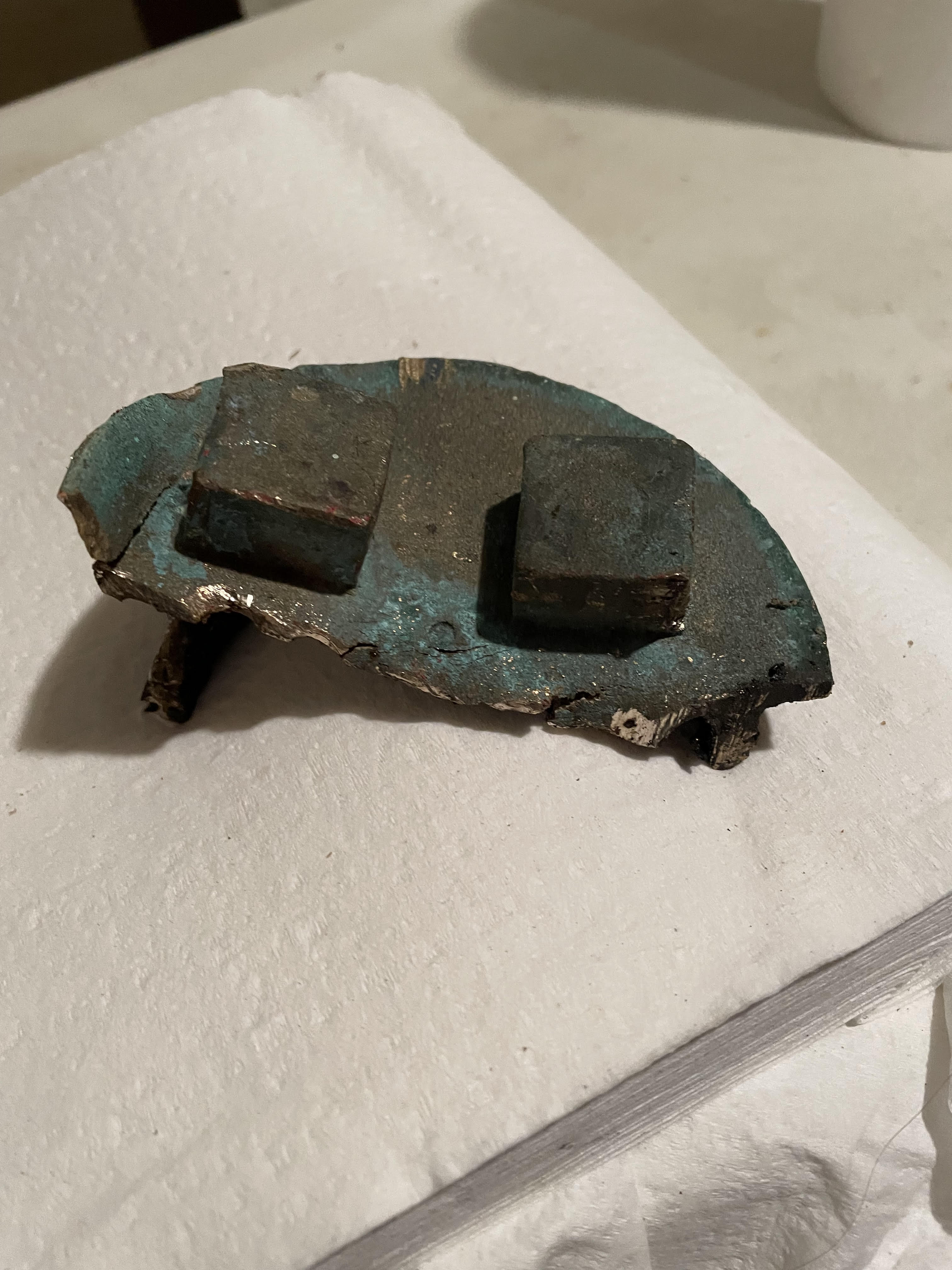
A seized sewer cleanout cap turns a fast fix into a real problem. Here's how Lucky Dog cuts out a frozen cap and replaces it with one you can open.
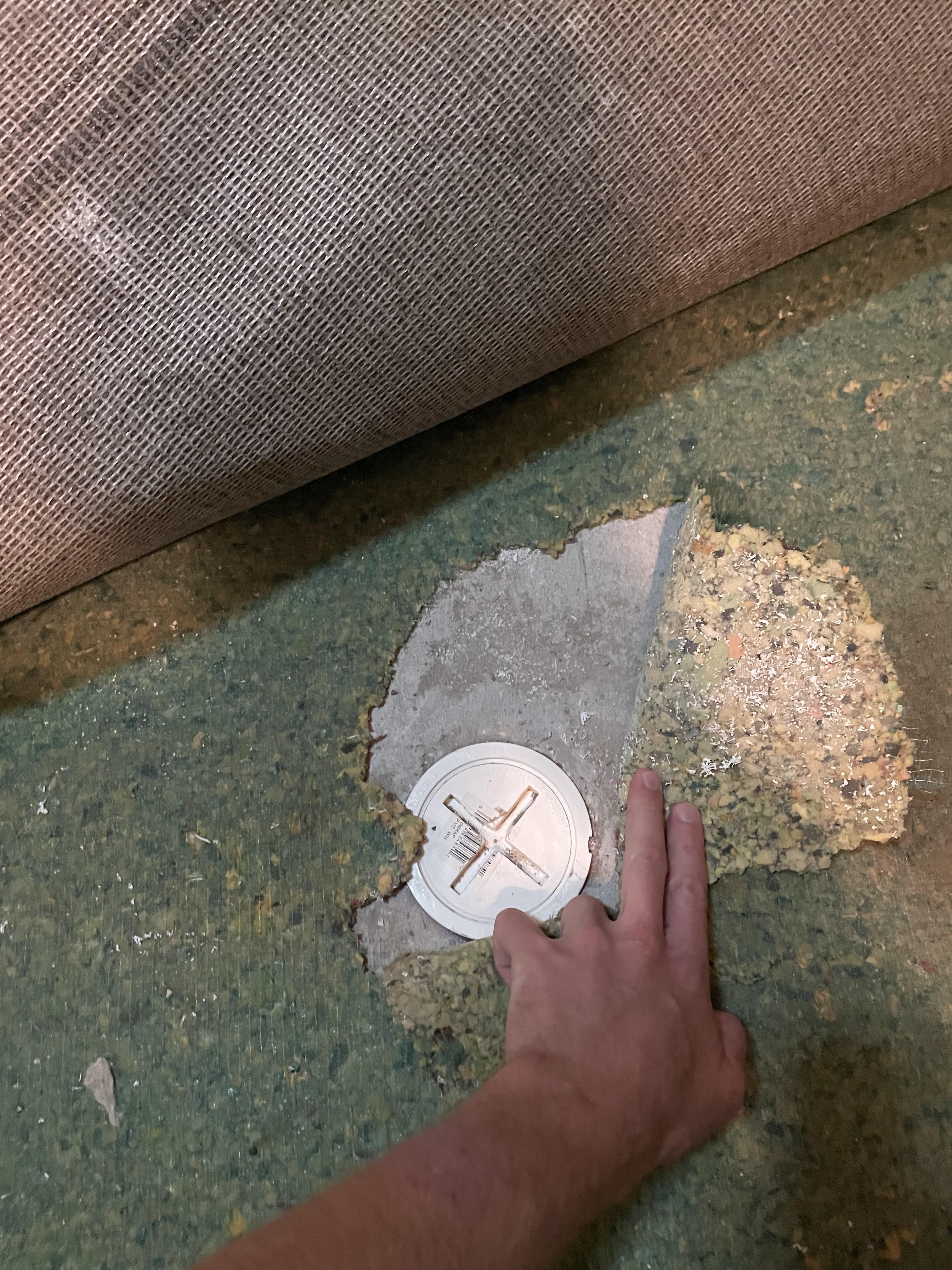
Remodelers cover sewer cleanouts with carpet, tile, and drywall more often than you'd think. Here's how to find yours, and why it matters in older homes.
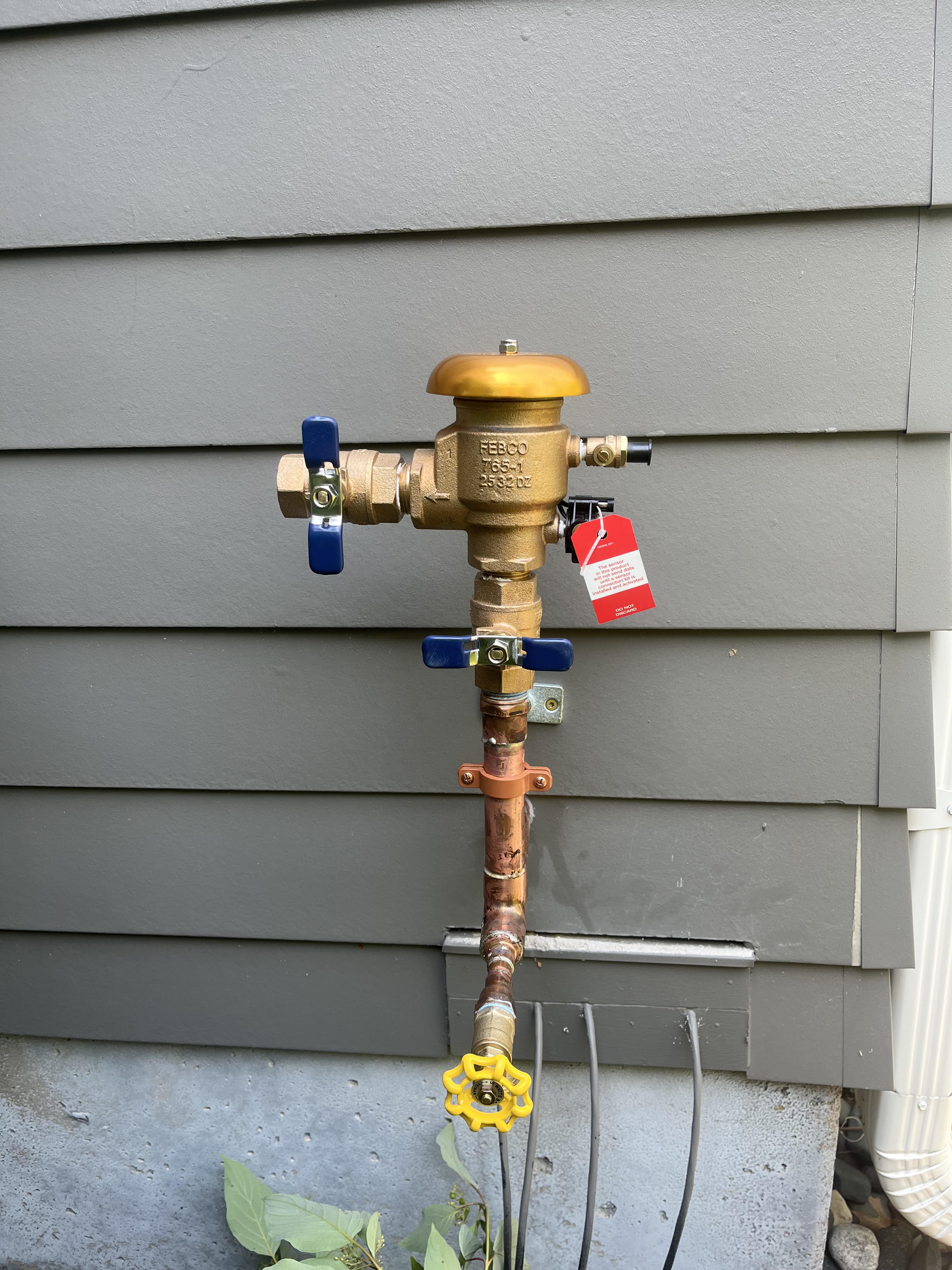
New irrigation system in Edina, St. Louis Park, or Bloomington? Minnesota code requires a backflow preventer, a permit, and annual testing every year.
In a real estate transaction, time and momentum matter. Anything that slows things down can create unnecessary friction and potentially put the deal at risk.
If you live in Minnetonka and recently received a letter about replacing your water meter, you’re not alone. The City of Minnetonka began a multi-year water...

Before you hire anyone to clear a drain, make sure you know the ins and outs of work warranties.