
Sewer Line, Main Drain, Main Line, Lateral: What's the Difference?
Inspectors and drain companies throw around words like “main line,” “lateral,” and “sewer line” as if everyone knows what they mean. Most homeowners...

Inspectors and drain companies throw around words like “main line,” “lateral,” and “sewer line” as if everyone knows what they mean. Most homeowners don't, and the terms get used interchangeably even by pros. Here's a clear map of the pipes under your house and yard, so the next time someone tells you what's wrong, you know exactly what they're talking about.
Branch lines: the drain at each fixture
Every sink, tub, shower, toilet, and floor drain connects to a branch line: a smaller pipe that carries water away from that one fixture. When your kitchen sink alone drains slowly but everything else is fine, the problem is almost always the kitchen branch line (usually grease). Clearing a single branch line is the most common and least expensive drain job.
The main drain / main line (inside your home)
The branch lines join into one larger pipe inside your house, usually running through the basement, called the main drain. This is the pipe everything in the house empties into before it leaves the building. When more than one fixture backs up at once (e.g., your toilet gurgles when the washing machine drains), the blockage is in or beyond the main drain, not in any single fixture. It is 100% the property owner’s responsibility.
The sewer lateral (outside your home))
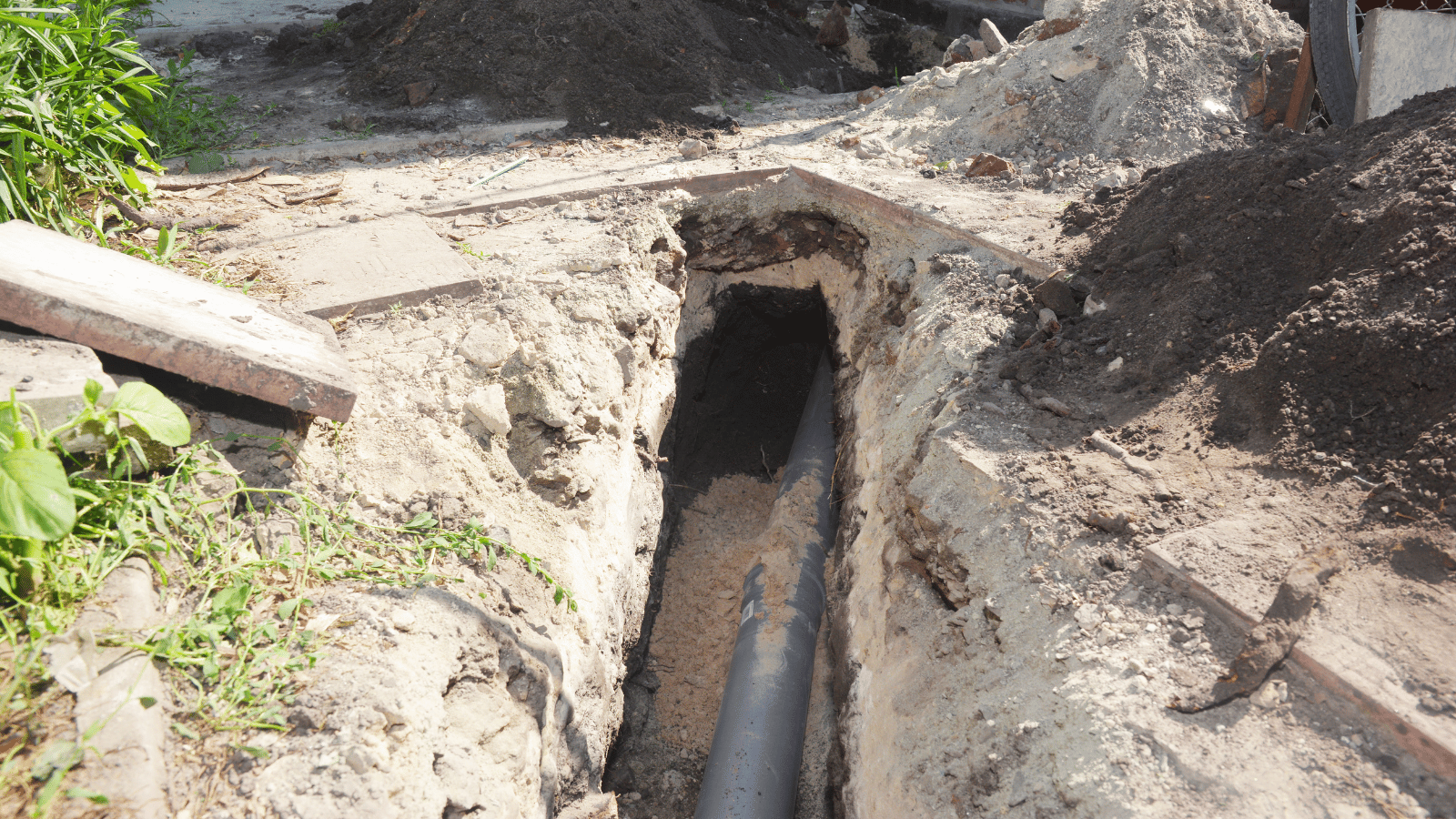
Once the main line passes through your foundation wall, it becomes the sewer lateral: the underground pipe that runs across your property and connects to the city sewer main under the street. People call this the “sewer line,” and that's fine; technically it's your lateral. Here's the part that surprises homeowners: the lateral is your responsibility, not the city's. From your house to the connection at the main (in many cities, all the way to the main itself), repairs and cleaning are on you. In older west-metro neighborhoods, this lateral is often the original clay tile or cast iron, and it's where roots and collapses happen. This is why excavations can be so costly, particularly when they’re in a busy city boulevard.
The city sewer main (the city's pipe)
The large pipe under the street that collects every home's lateral is the city sewer main. That's the city's responsibility to maintain. If a backup is actually in the main, it usually affects multiple homes on the block, and it's a call to the city.
Why the distinction matters for your wallet
Knowing which pipe is failing tells you the size of the problem:
A slow single drain = a branch line = a routine cleaning
Multiple drains backing up = the main line or lateral = a main sewer line cleaning at and worth a camera inspection
Roots, a crack, or a collapse in the lateral = possible repair, which is a much bigger decision (we'll scope it and tell you honestly).
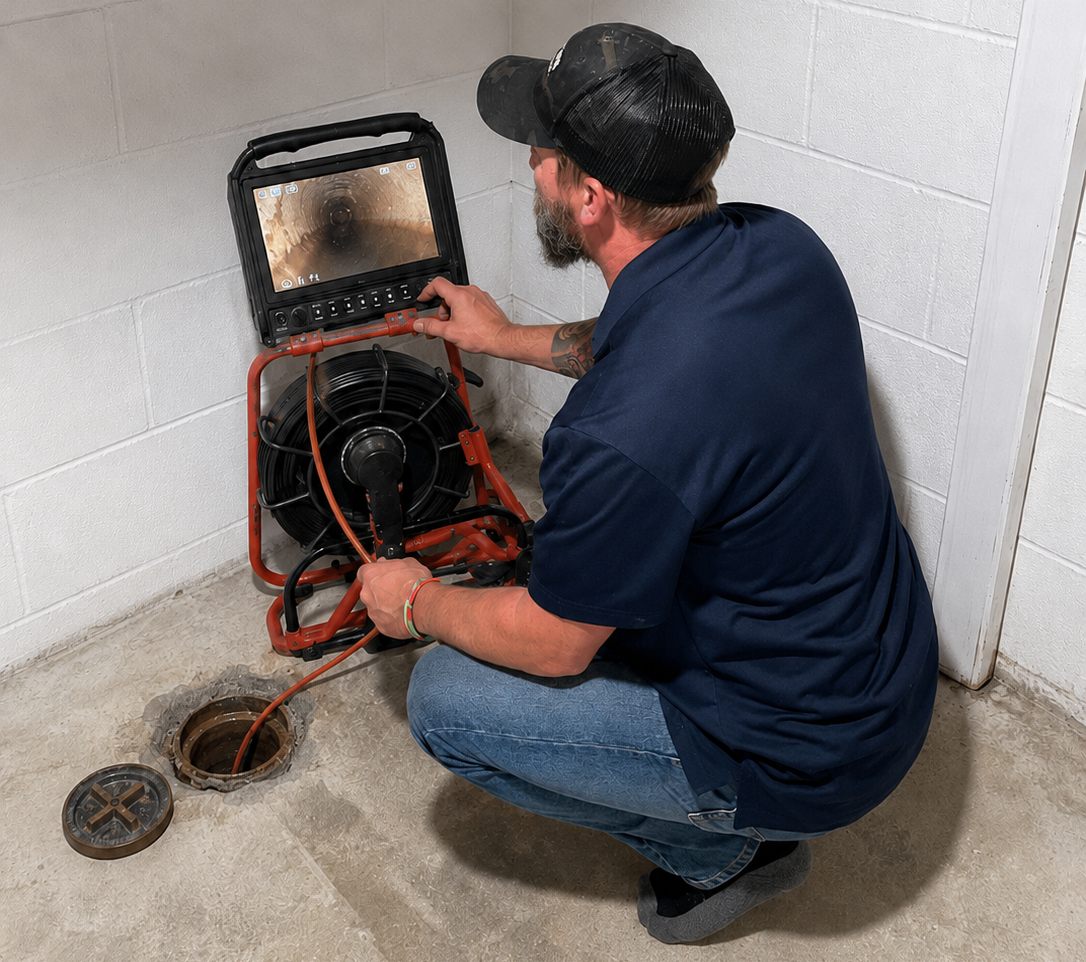
Even if it appears to be an isolated branch line clog, we’ll frequently run a sewer camera down your main line, so we can ensure that our diagnosis is accurate and allow you to have peace of mind without any additional cost. And, on every main line cleaning we do, that camera look is also included for free, so you can see your own pipe on the screen and understand what’s going on.
Not sure which pipe is the problem? We'll scope it and show you. Call or text Lucky Dog.
Read similar articles
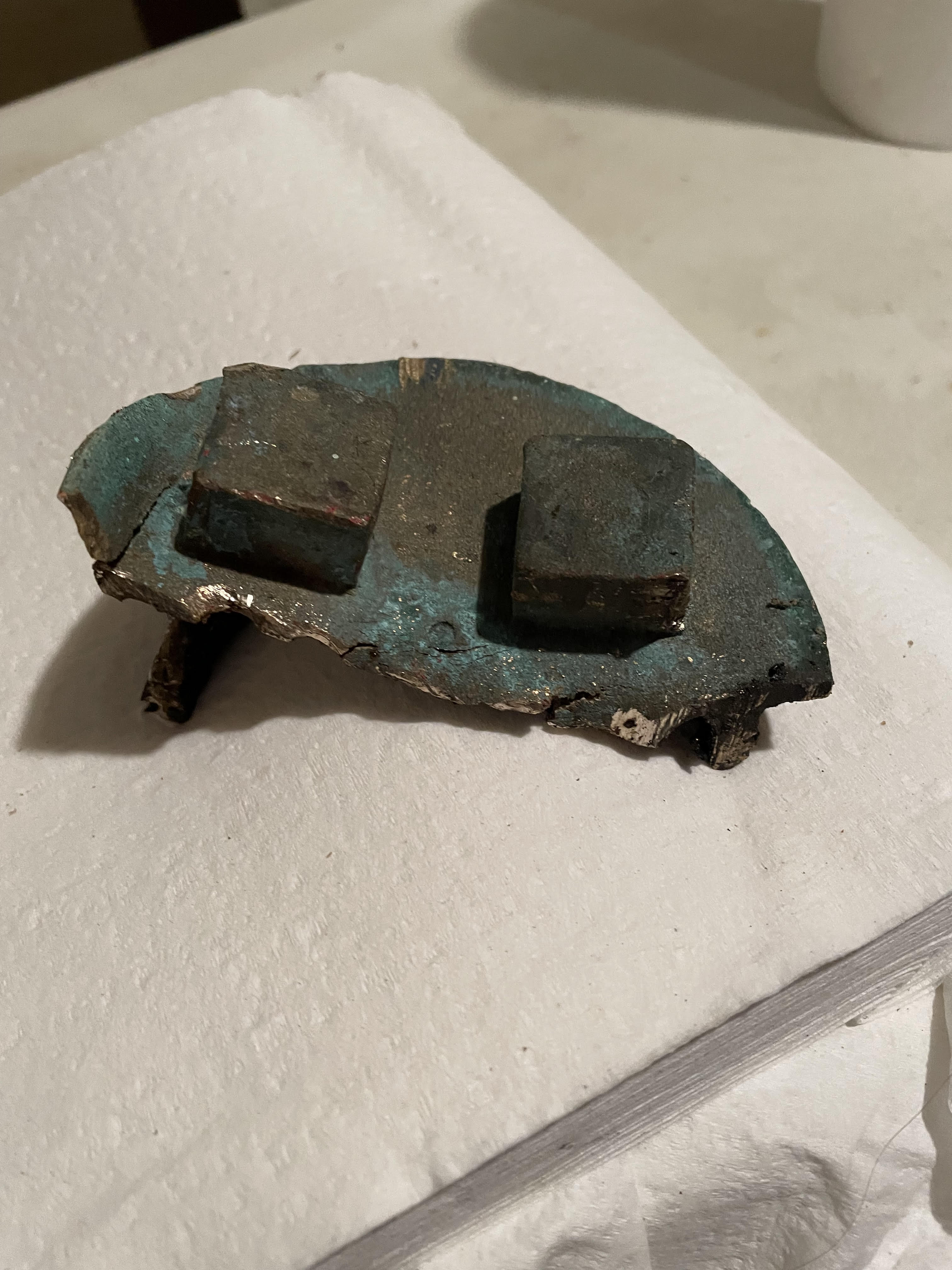
A seized sewer cleanout cap turns a fast fix into a real problem. Here's how Lucky Dog cuts out a frozen cap and replaces it with one you can open.
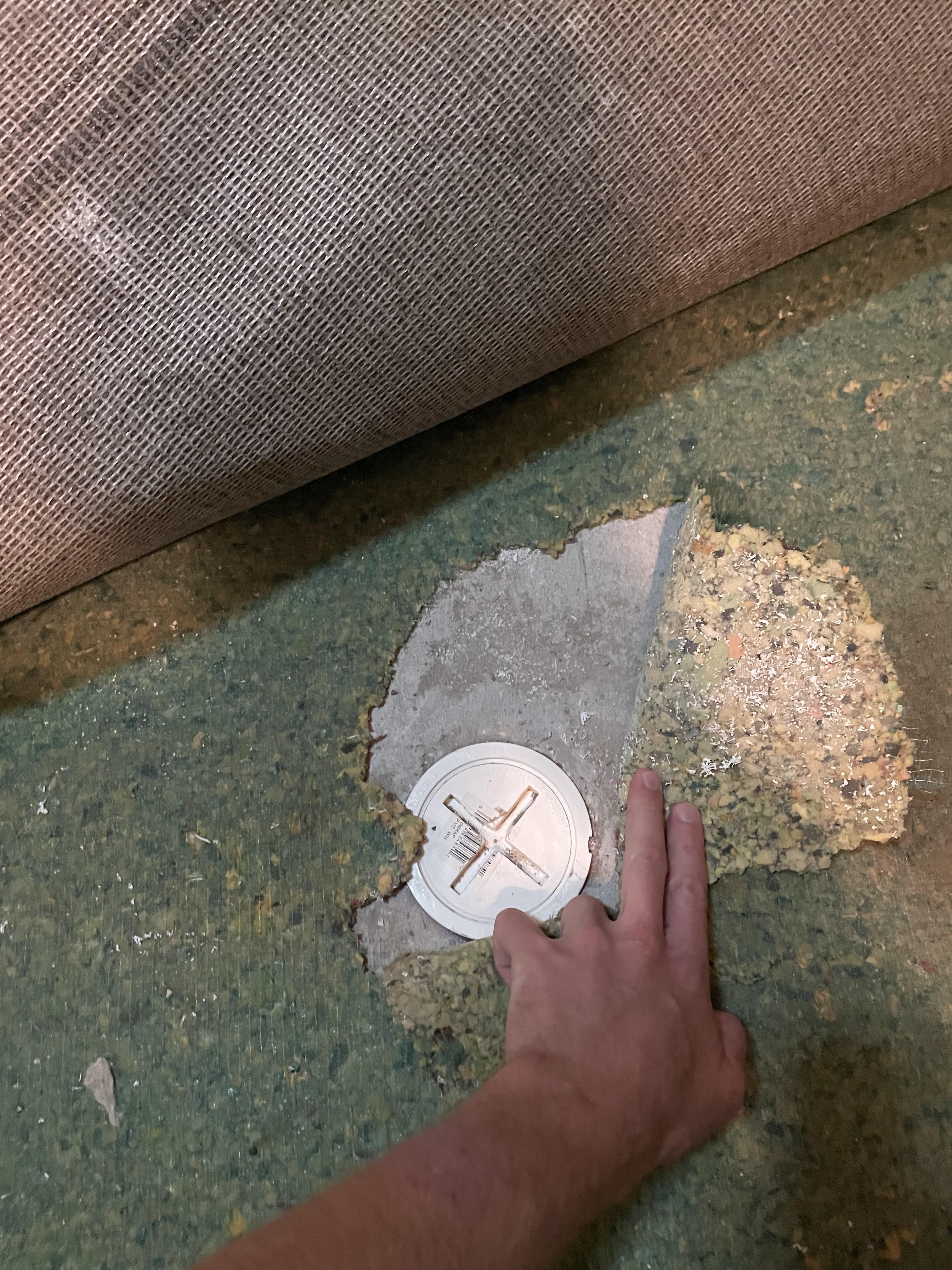
Remodelers cover sewer cleanouts with carpet, tile, and drywall more often than you'd think. Here's how to find yours, and why it matters in older homes.
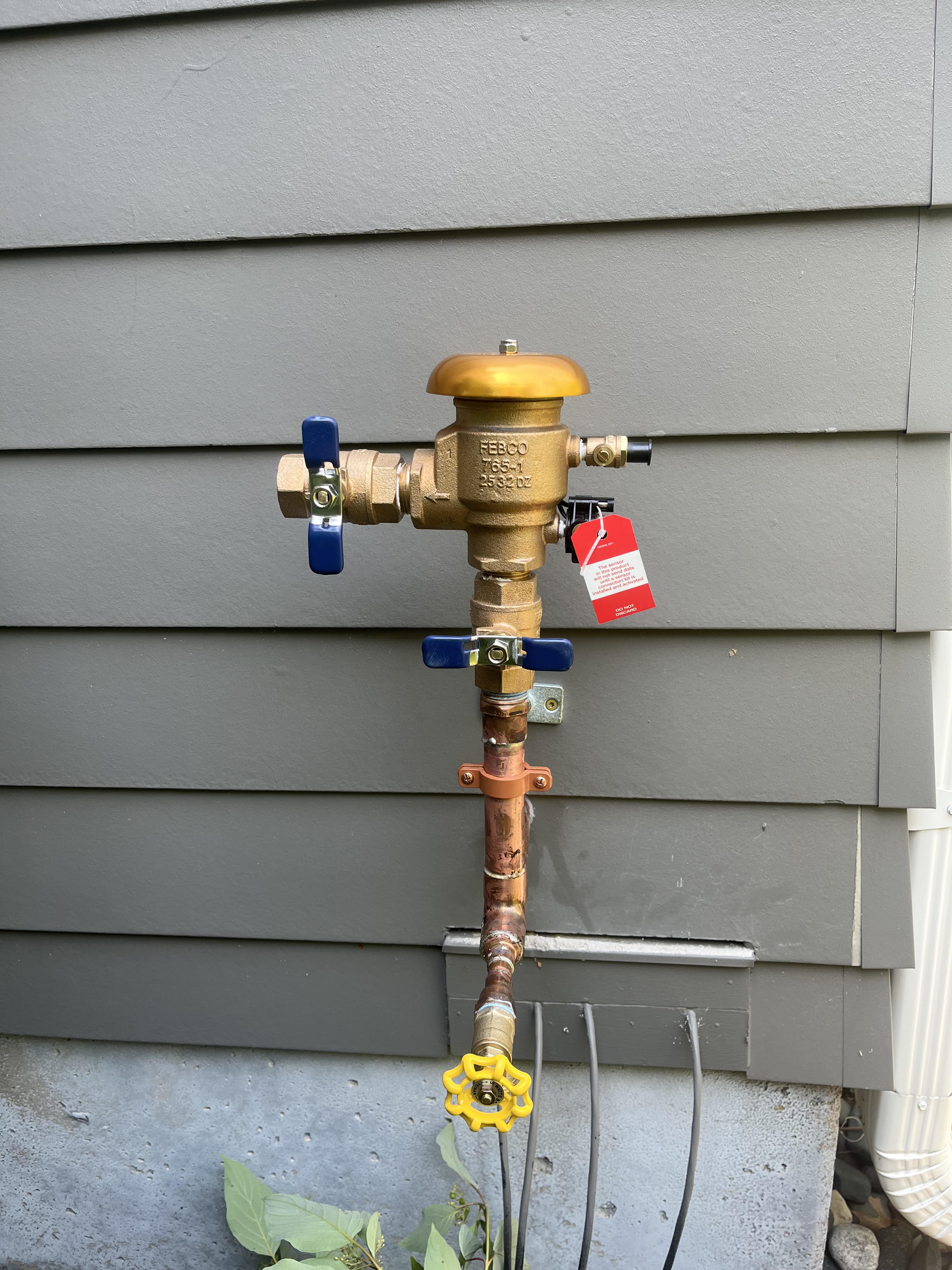
New irrigation system in Edina, St. Louis Park, or Bloomington? Minnesota code requires a backflow preventer, a permit, and annual testing every year.
In a real estate transaction, time and momentum matter. Anything that slows things down can create unnecessary friction and potentially put the deal at risk.
If you live in Minnetonka and recently received a letter about replacing your water meter, you’re not alone. The City of Minnetonka began a multi-year water...

Before you hire anyone to clear a drain, make sure you know the ins and outs of work warranties.