What a Sewer Camera Inspection Shows You
For most of the history of drain work, diagnosing a sewer line meant educated guessing, snake it, see what comes back, and hope it’s fixed. CCTV sewer...


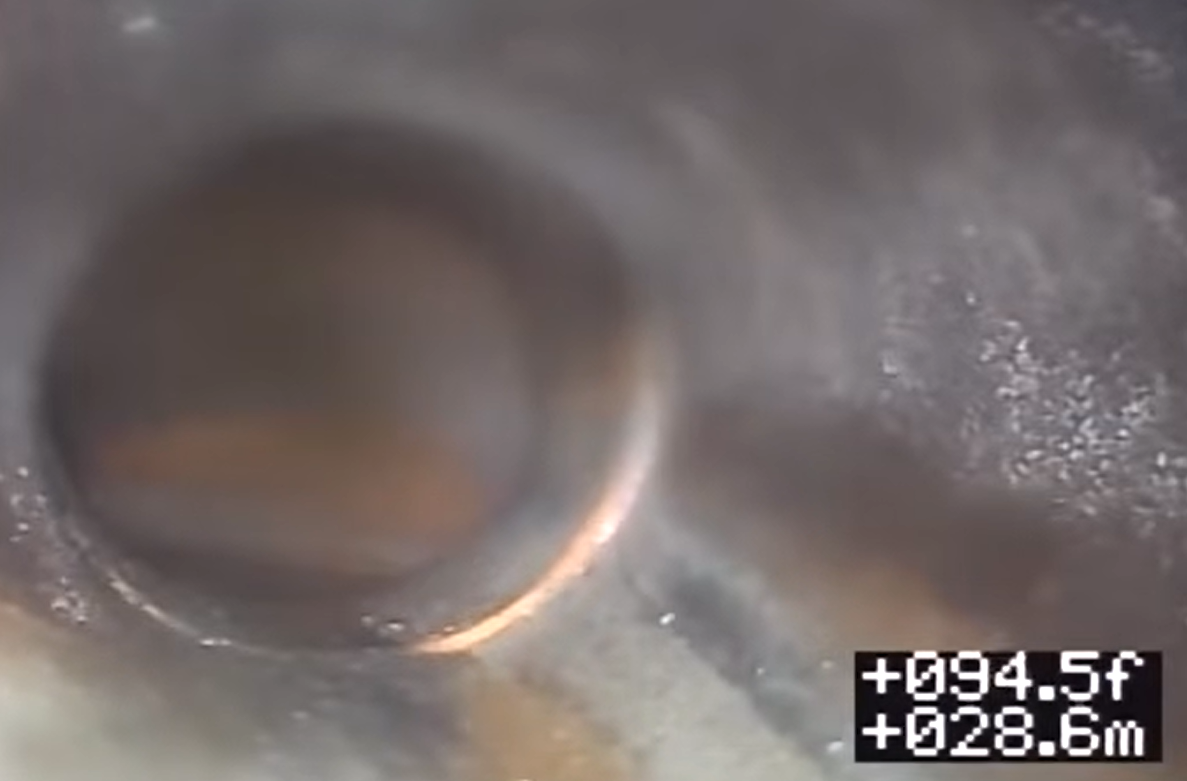
For most of the history of drain work, diagnosing a sewer line meant educated guessing, snake it, see what comes back, and hope it’s fixed. CCTV sewer cameras changed that decades ago. It's a waterproof, high-resolution camera on a flexible cable that travels the full length of your line and shows you, in real time, exactly what's happening inside a pipe buried under your yard. Here's what it reveals and why it matters.
What the camera actually shows
Pushed from a cleanout through the main line and out to the city connection, the camera reveals:
Blockage type: whether the clog is roots, grease, scale, or a foreign object; each calls for a different fix
Cracks and breaks: places where the pipe wall has failed
Bellies: low spots where the line sags and pools water, causing repeat clogs
Offset joints: sections that have shifted apart over time
Root intrusion: where and how badly roots have entered, and through which joints
Pipe material and condition: clay, cast iron, or PVC, and how much life is left
Many cameras also locate the depth and position of a problem from the surface, so if a repair is needed, the crew knows exactly where to dig instead of trenching your whole yard.
When you should get one
Recurring backups. If a line keeps clogging, a scope finds the underlying cause instead of treating the symptom again.
Before buying or selling an older home. A standard home inspection skips the sewer line; a scope closes that gap.
After a main line cleaning. Seeing the line clear confirms that the job is done and establishes a baseline that can be reference in the future.
Before authorizing any repair. Never pay for a sewer repair you haven't seen justified on camera.
Why we include it free on every main line
Here's the part that sets us apart. We include the camera look on drain cleaning that we do at no extra charge, so we ensure that we’ve been meticulous and thorough. That's a deliberate choice. While it adds a bit of time to the appointment, it ensures that we take care of your home just like we’d do for our own homes. We’re not a company that rushes in, fixes the problem, and leaves without diagnosing the underlying issue, double-checking our work, or showing you what we’ve found. Thoroughness and quality of work are fundamental to who we are.
When you can see your own pipe, two things happen: you understand the real condition of your line, and you can trust the recommendation, because it's photographic evidence. If it's just roots, you see roots and we clean them. If it's a genuine break, you see that too, and we record it.
Honest footage, both ways
A camera inspection protects you. We've scoped lines a homeowner feared were collapsed but were “soft” blockages that we easily cleared. We've also seen clay tile pipes with severe root intrusions and cracks on the upper surface of the pipe (high risk of a collapsed pipe) that they’d had another drain cleaner cleaning every 4-6 months but never told them about the cracks in the clay tile. Preemptively identifying these risk factors allows us to help homeowners avoid costly emergency backups or excavations.
The bottom line
A sewer camera inspection is the difference between guessing and knowing. It shows you what's wrong, how serious it is, and what it'll actually take to fix before you spend money. On every call we run, a sewer camera inspection is part of the process.
Want to see your sewer line’s condition? Call or text Lucky Dog for a sewer camera inspection.
Read similar articles

A Hopkins homeowner lost gas and hot water after CenterPoint found basement leaks. How Lucky Dog had a plumber there in an hour and got gas restored the same day.
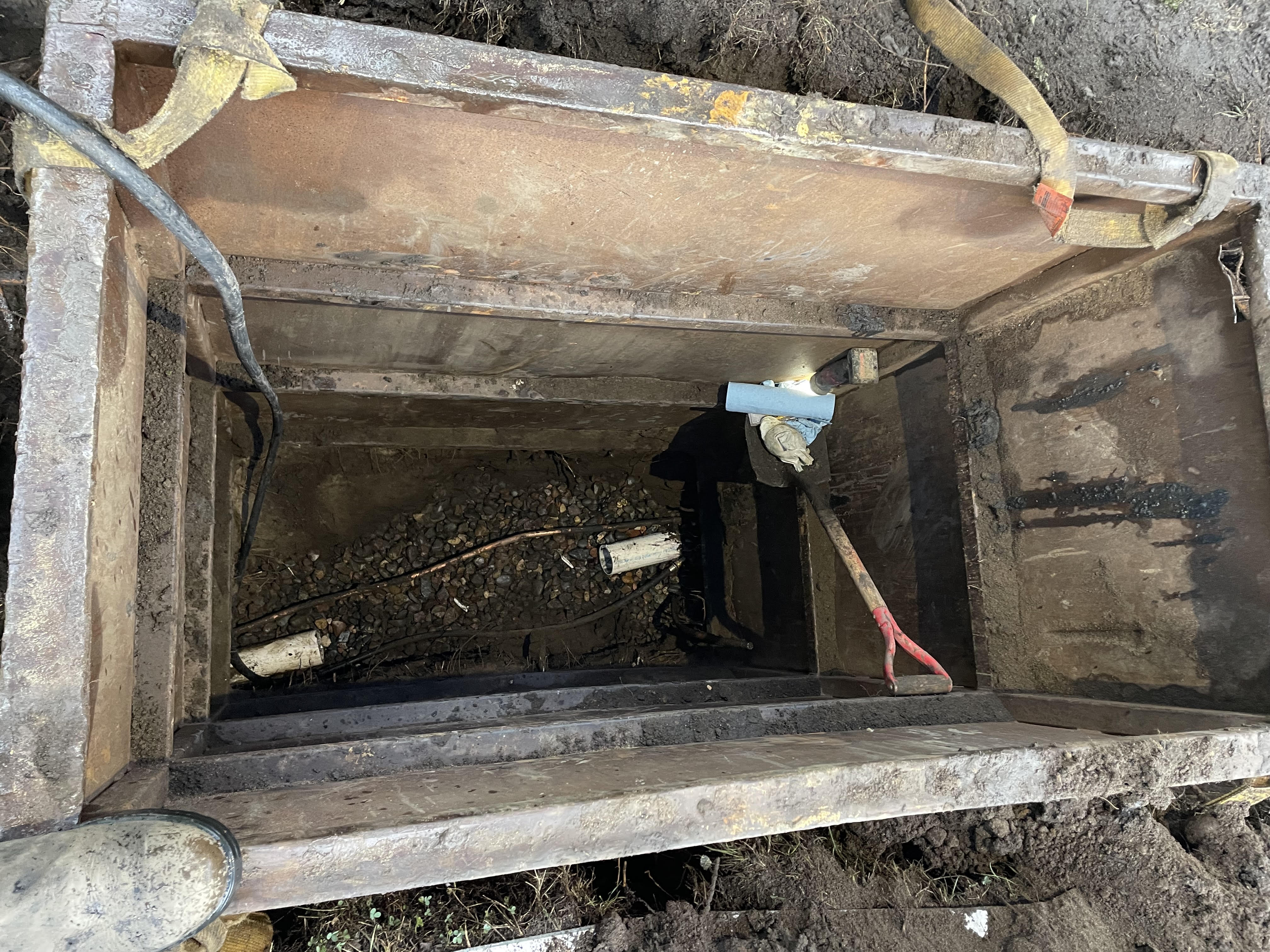
Should you hydro jet your sewer line or replace it? How a Twin Cities HOA weighed backups, pipe condition, cost, and risk, and when jetting stops making sense.

A restaurant sewer backup costs far more than the drain cleaning. A real Edina case shows how preventive hydro jetting protects revenue, tenants and leases.

Buying a home in Minnetonka, Edina or the West Metro? 5 plumbing issues inspectors often miss, from old water heaters to seized sewer cleanouts, and what they cost.
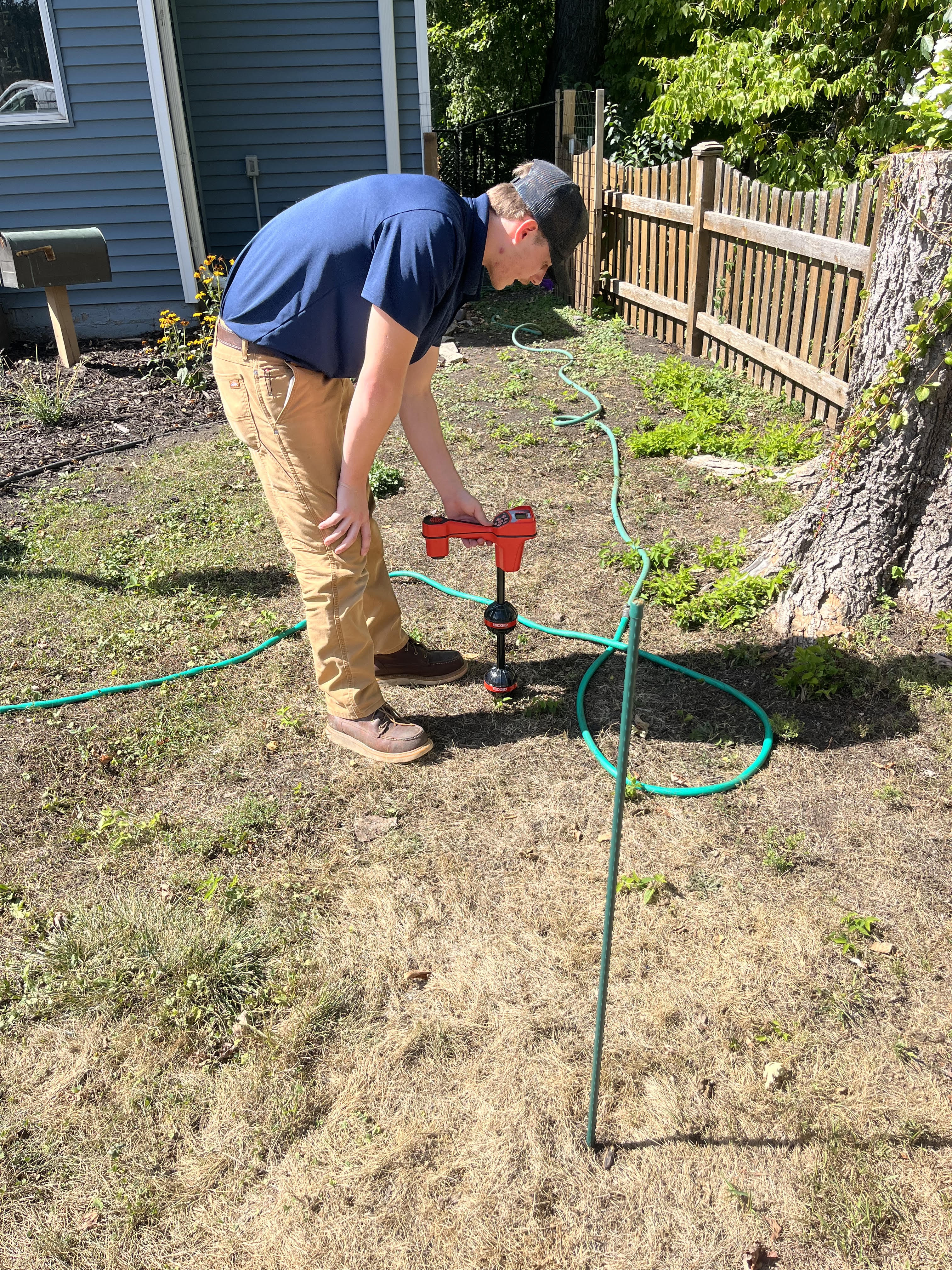
A sewer liner is one of the most expensive quotes a homeowner will see. When a liner makes sense, when it might not, and questions to ask before you sign.
Your drain tech says "belly" and "offset." Here's what each sewer camera finding means, how serious it is, and the typical fix.