
What Is Inflow & Infiltration, and Why Should Homeowners in Minneapolis and the Western Suburbs Care?
If you own a home in Minneapolis, St. Louis Park, Edina, Hopkins, or elsewhere in the western Twin Cities metro, you’ve might’ve gotten a utility bill...
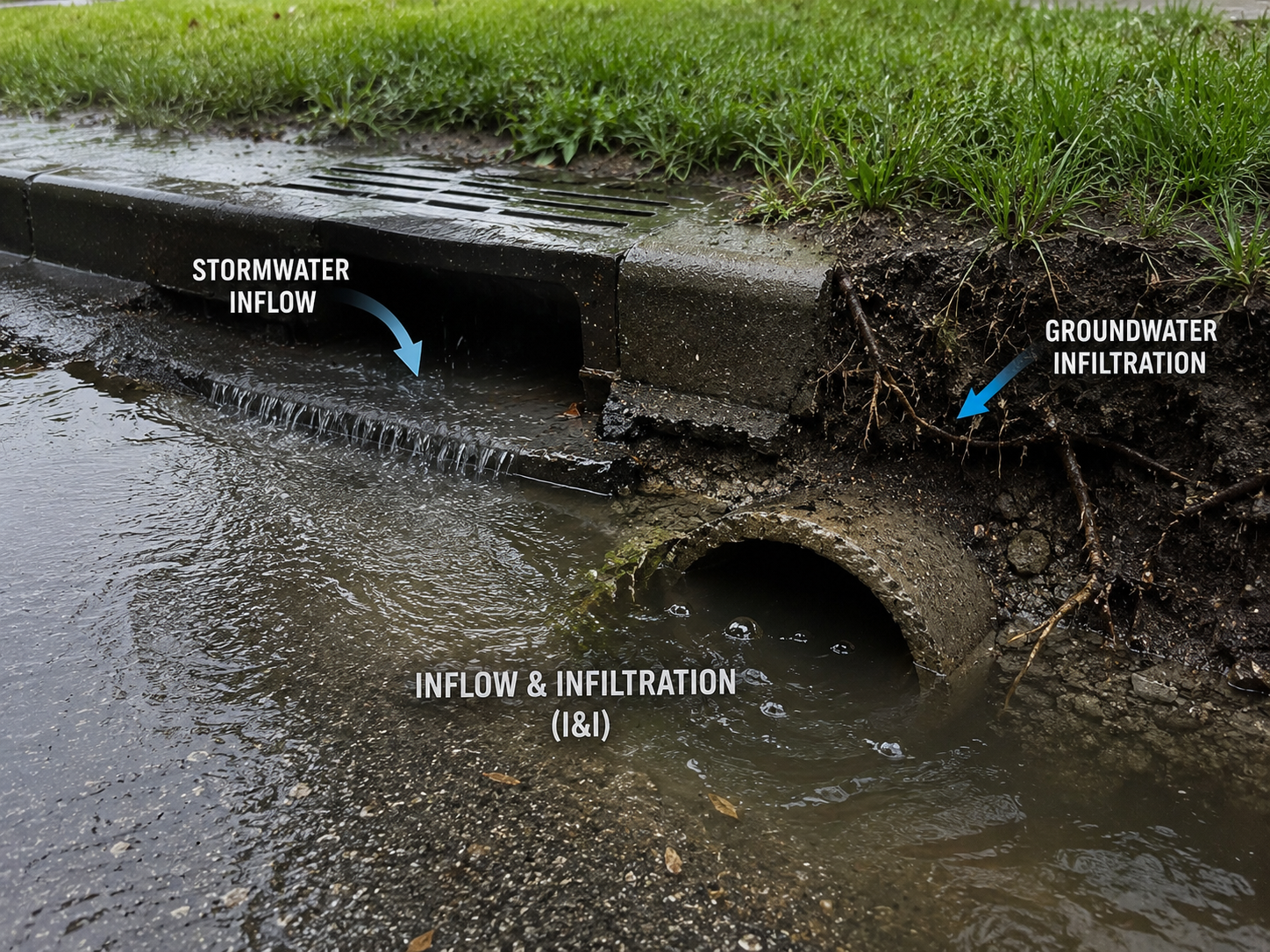

If you own a home in Minneapolis, St. Louis Park, Edina, Hopkins, or elsewhere in the western Twin Cities metro, you’ve might’ve gotten a utility bill insert, a postcard, or a knock on the door about “I&I.” It sounds like bureaucratic jargon, but it’s actually one of the more expensive infrastructure problems facing older, established suburbs, and it’s a problem that lives partly on your property, not just the city’s.
The basic idea
Inflow and Infiltration, or I&I, describes clean water, such as rain, snowmelt, and groundwater, that seeps into the sanitary sewer system, which are supposed to carry only wastewater from toilets, sinks, and drains to a treatment plant. “Inflow” is water that gets in through a direct opening, like a sump pump or a foundation drain that’s illegally plumbed into the sanitary line, or a cracked manhole cover that lets stormwater pour in. “Infiltration” is water that seeps in more slowly, through cracked pipe joints, root intrusion, or deteriorated pipe walls, especially in older clay or concrete sewer laterals common throughout Minneapolis and the first-ring suburbs.
Why it matters
None of that clean water needs to be treated, but once it’s in the sanitary sewer, it has to go somewhere. In the Twin Cities, most local sewer laterals feed into the regional system operated by Metropolitan Council Environmental Services (MCES), which treats wastewater for the whole metro. The cost of treating I&I related water is $350-400 million annually, so it’s a serious problem for the metro area and its municipalities. During heavy rain or spring thaw, I&I can flood the system with so much extra volume that treatment plants and interceptor pipes get pushed past capacity. That can cause sewage backups into basements and overflows into rivers and lakes. Because treatment capacity and interceptor pipes are expensive to expand, higher regional wastewater production rates, increasingly becoming problematic. Metropolitan Council estimates that more than half of the clear water entering the region’s sewer system originates on private property, not in the public mains, which is exactly why cities are increasingly focused on what happens on the homeowner’s side of the property line.
Where Minneapolis and the western suburbs fit in
Minneapolis has taken the most proactive approach in this corner of the metro, using Metropolitan Council grant funding to run a Private Sewer Lateral Grant that pays owner-occupied homes 50% to 100% of eligible lateral repair, replacement, and foundation-drain-disconnection costs (up to $10,000, depending on where the property sits), through a March application window and a lottery-based award process. Edina has followed with its own 2026 authorization (City Council Resolution No. 2025-109) to apply for the same Metropolitan Council Private Property Inflow and Infiltration Grant Program, so Edina residents doing qualifying repair work in 2026 have a documented path to 50%-of-cost grants up to $5,000, or up to $10,000 for those meeting the city’s equity criteria. St. Louis Park and Hopkins, by contrast, show no city council record of applying for that same 2026 grant cycle, so homeowners in those two cities currently don’t have that particular funding source to draw on, even though the underlying I&I problem is identical. Point-of-sale sewer inspection requirements follow a similar patchwork: cities like Orono, Golden Valley, St. Anthony Village, and Mounds View require a sewer inspection and I&I compliance certificate before a home can change hands, while Minneapolis, Edina, St. Louis Park, and Hopkins do not fold sewer-lateral inspection into their closing requirements. St. Louis Park’s point-of-sale process, for example, covers roof, siding, garage, and interior condition, not the sewer line, and a sewer scope there is a buyer’s optional add-on rather than a city mandate. What is consistent everywhere is where the property line falls: every one of these cities puts maintenance and repair of the sewer lateral from the house to the connection at the street main on the homeowner, not the city. Several cities ike Edina and Hopkins, back that up with specific rules on how sump pumps and foundation drains are allowed to discharge.
What a homeowner can actually do
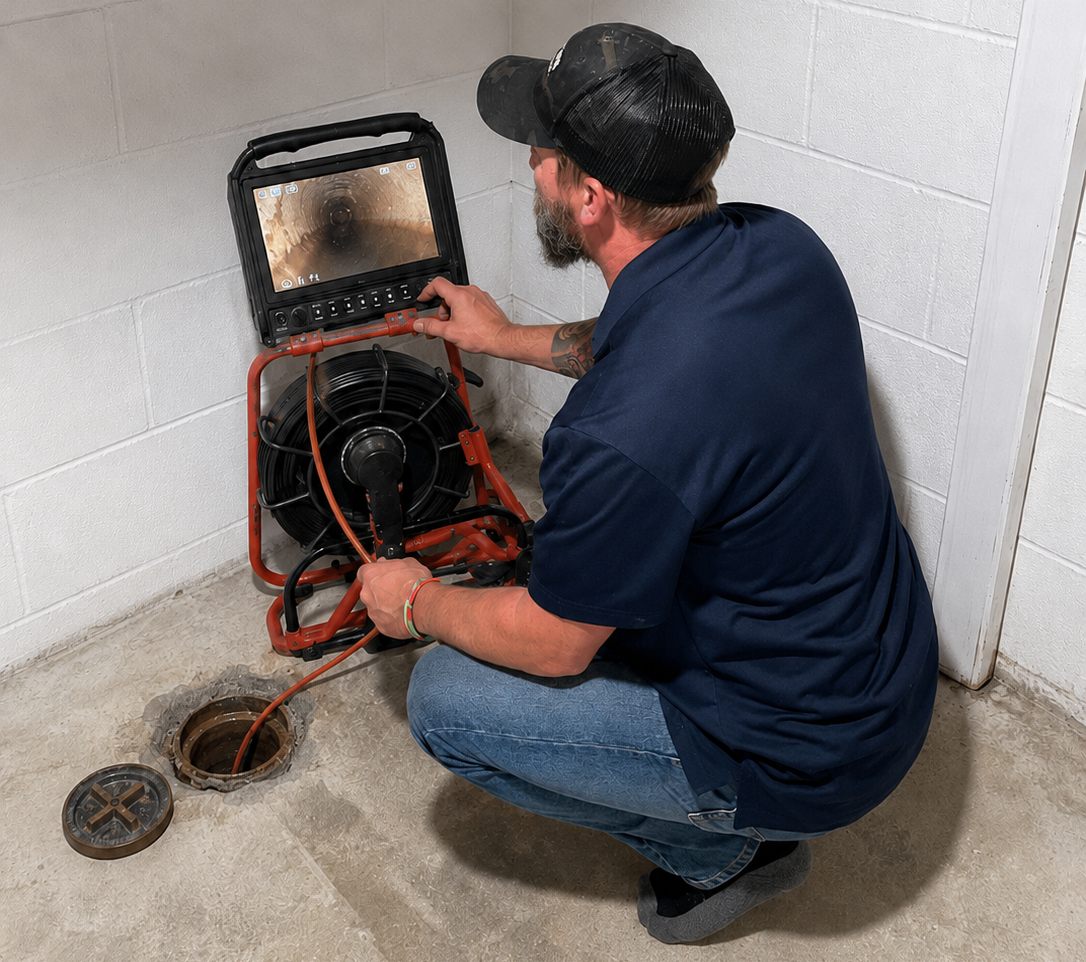
I&I is one of the more fixable infrastructure problems around, because most of it traces back to a short list of culprits: a sump pump or foundation drain plumbed into the sanitary line instead of draining outside or to a storm system, a cracked or root-infiltrated clay lateral that’s never been relined or replaced, or a leaky cleanout cap. A camera inspection (often called “scoping” the line) from a sewer specialist is the standard way to find out which of those applies to a given house, whether the trigger is a slow drain, a planned sale, or just wanting to know what’s down there before winter’s vicious freeze-thaw cycle. Where a repair is needed, the funding picture now varies by city rather than by household: Minneapolis and Edina homeowners have an active, council-authorized 2026 Metropolitan Council grant to apply through, covering half or more of eligible lateral and foundation-drain work, while St. Louis Park and Hopkins homeowners are working without that particular grant this cycle. Hopkins will still reimburse street-restoration costs above $1,250 when a repair requires cutting into the street. Edina enforces its sump pump discharge rules (Standard Plate 311, pop-up head, 2-inch air gap, five feet from the property line, never onto a neighbor’s yard) with compliance letters and fines for violations. Either way, disconnecting an illegally plumbed sump pump and repairing a deteriorated lateral aren’t just compliance chores; they protect a home’s own basement from backups and keep the regional system, and everyone’s sewer bill, from getting worse.
Read similar articles
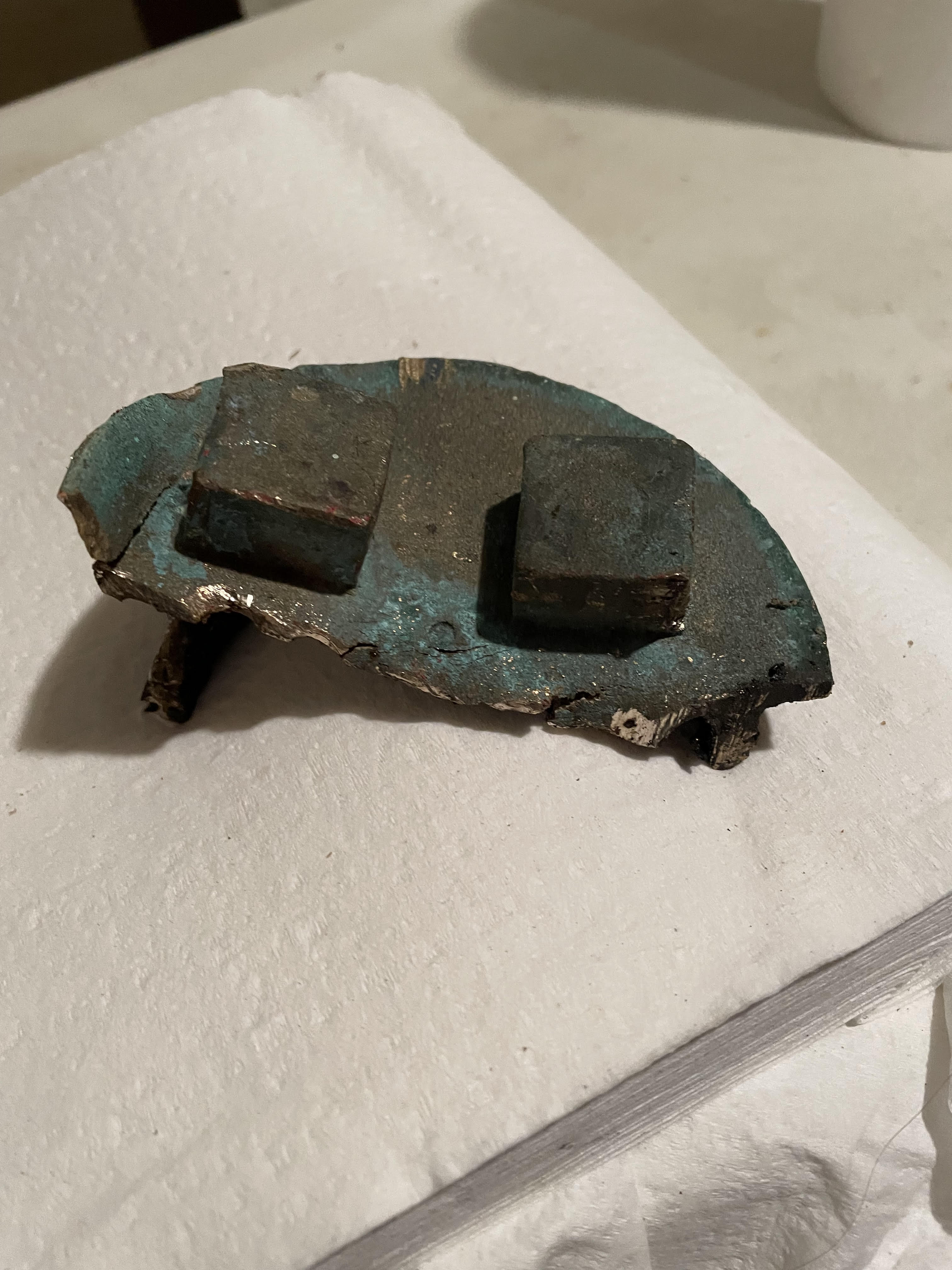
A seized sewer cleanout cap turns a fast fix into a real problem. Here's how Lucky Dog cuts out a frozen cap and replaces it with one you can open.
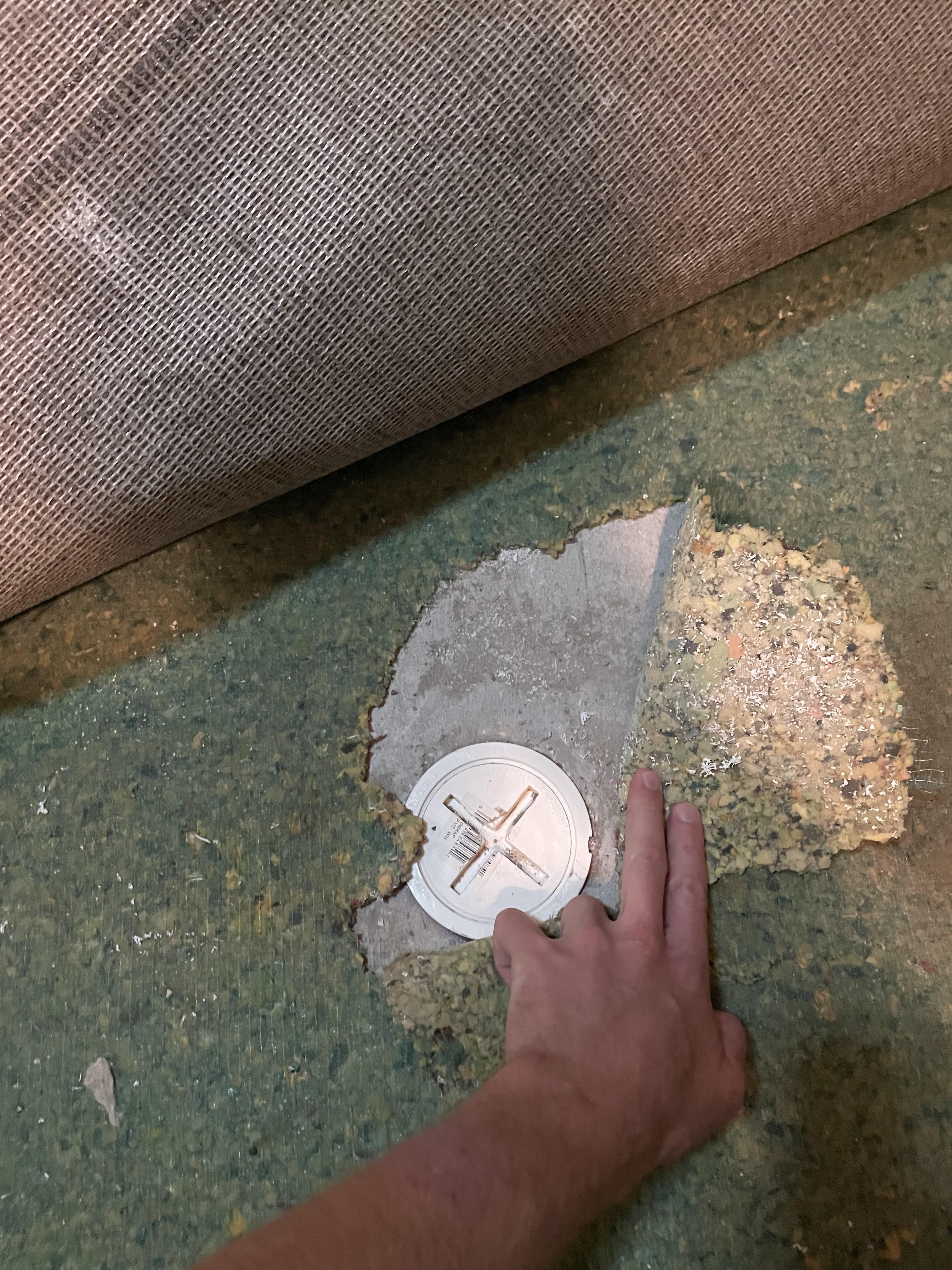
Remodelers cover sewer cleanouts with carpet, tile, and drywall more often than you'd think. Here's how to find yours, and why it matters in older homes.
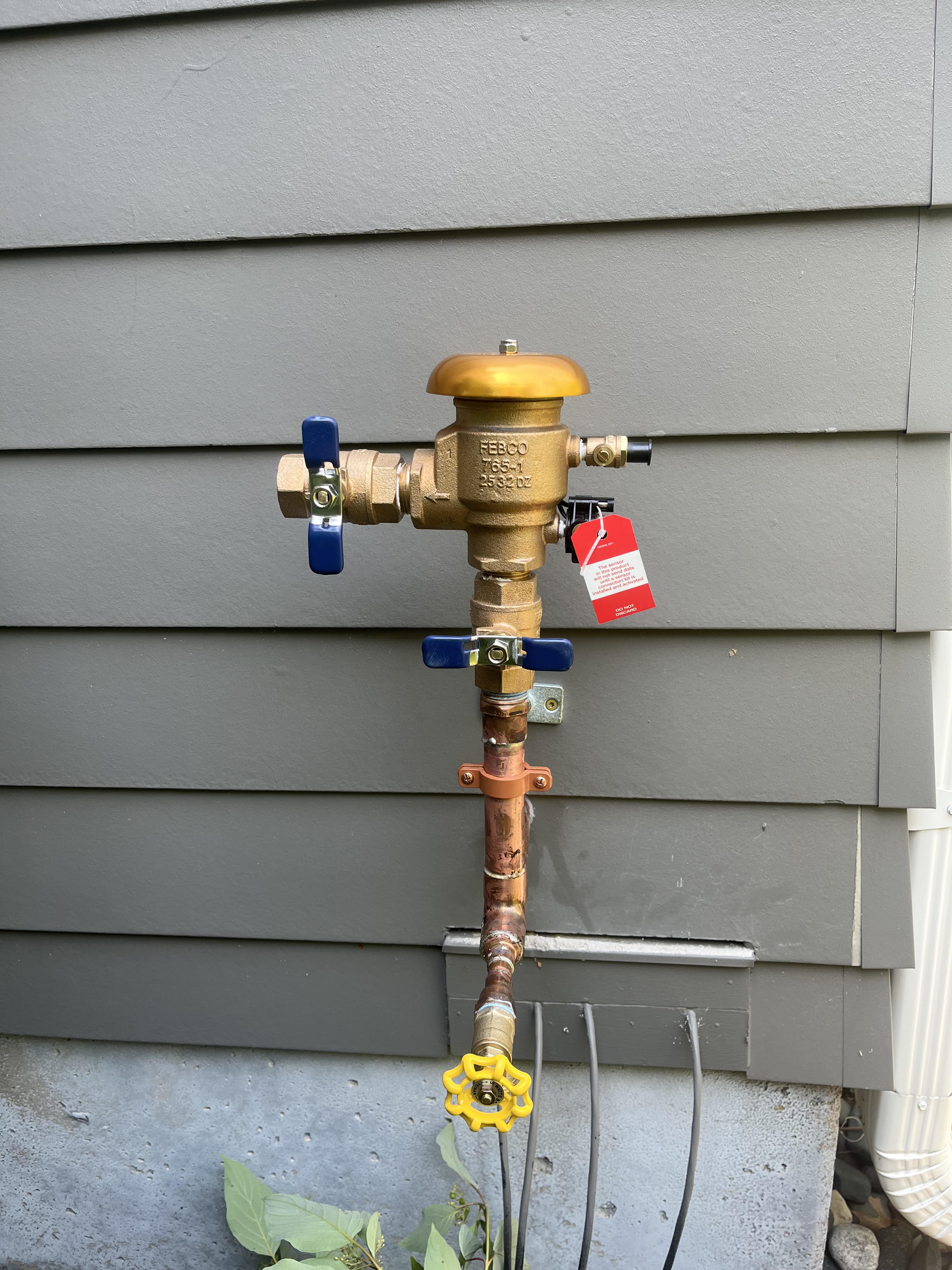
New irrigation system in Edina, St. Louis Park, or Bloomington? Minnesota code requires a backflow preventer, a permit, and annual testing every year.
In a real estate transaction, time and momentum matter. Anything that slows things down can create unnecessary friction and potentially put the deal at risk.
If you live in Minnetonka and recently received a letter about replacing your water meter, you’re not alone. The City of Minnetonka began a multi-year water...

Before you hire anyone to clear a drain, make sure you know the ins and outs of work warranties.