
Why Is My Floor Drain or Laundry Tub Backing Up?
Few things rattle a homeowner more than walking downstairs to find water coming up out of the basement floor drain, or the laundry sink filling with dirty...
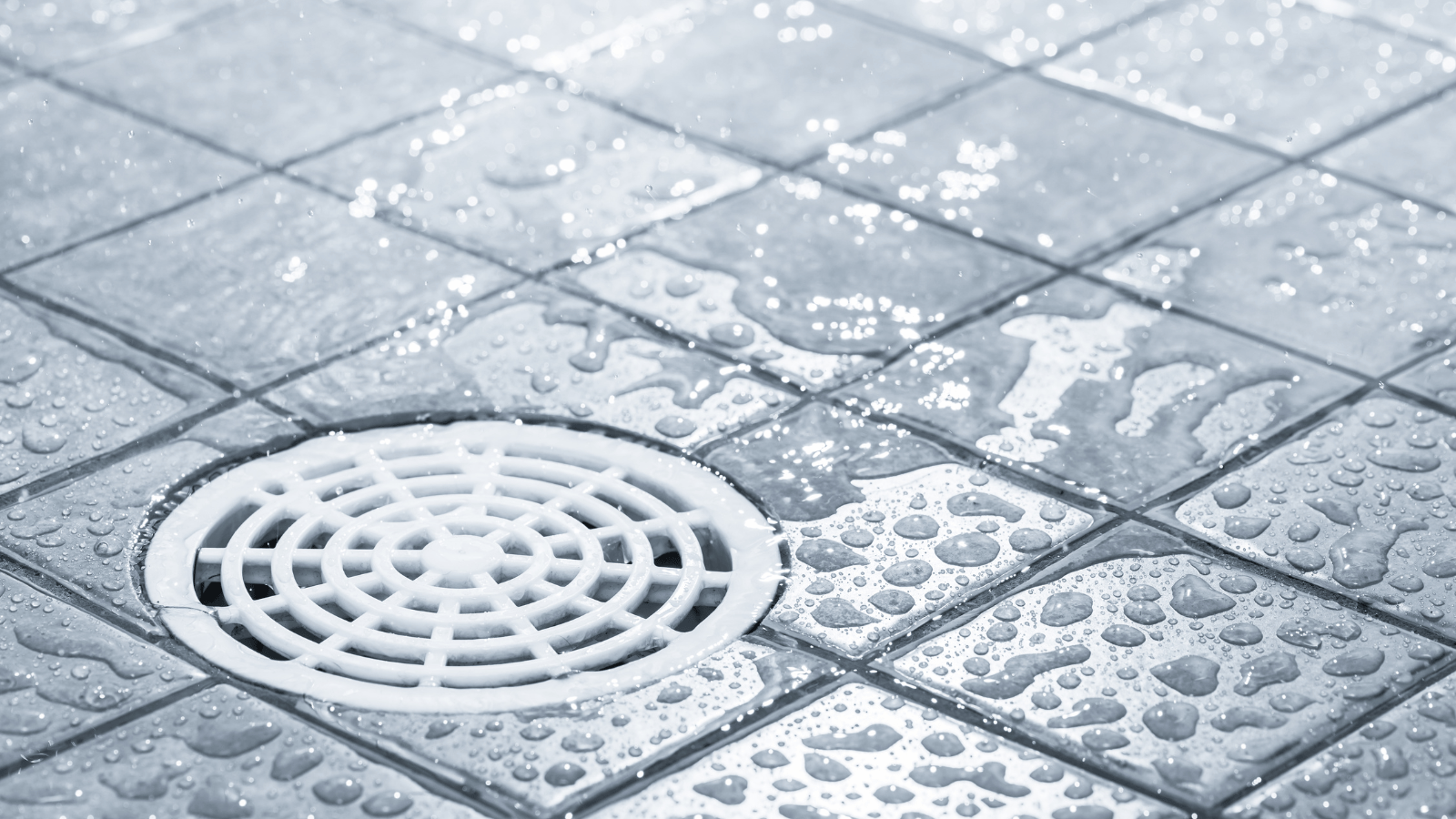

Few things rattle a homeowner more than walking downstairs to find water coming up out of the basement floor drain, or the laundry sink filling with dirty water when no one's using it. It looks like the fixture is broken. Usually it isn't but there are a few important steps to take when this happen since it’s typically a warning about your sewer’s condition.
Why the lowest drain backs up first
Your basement floor drain and laundry tub sit at the lowest point in your home's drain system. When the main line or sewer lateral gets blocked downstream, wastewater from the whole house has nowhere to go, so it comes up at the lowest opening it can find. That's almost always the floor drain or the laundry sink. When those back up, the clog usually isn't in them at all. It's farther down the line, past the point where everything in the house joins together.
The dead giveaway: it backs up when you use something else
Here's the clue that confirms it's a main line problem and not a fixture problem: the floor drain gurgles or backs up when you run the washing machine, flush a toilet, or drain a tub upstairs. That means the water you sent down one fixture is backing up out of another, which typically only happens when the shared main line or lateral below them is blocked. One fixture acting up on its own is likely a branch line clog. Two or more connected through a backup is probably a main line issue.
Common causes in older west metro homes
In St. Louis Park, Edina, Hopkins, and southwest Minneapolis, the usual suspects are:
Tree roots in the lateral. Mature boulevard elms, oaks, and maples send roots into the smallest crack in an old clay joint. This is the number one cause of sewer back ups in these neighborhoods. Think of the trees in Edina’s Country Club neighborhood and Minneapolis’ Fulton and Linden Hills neighborhoods.
Grease and scale. Years of buildup narrowing an old cast-iron main until it can't handle a full load. You might not have poured grease down your drains, but residual grease from cleaning dishes over the years might still accumulate.
A bellied or broken section. A low or broken stretch of lateral that catches debris and clogs repeatedly. This happens most frequently in southwest Minneapolis neighborhoods with high water tables, such as Linden Hills, East Harriet, East Calhoun, Fulton, and Minikahda Vista where ground settling is commonplace.
Spring and storms. Thaw and heavy rain raise groundwater and push roots and debris into sewer lines with cracks, which is why a lot of these backups happen at the same time every year.
What to do when you have a backup
Stop running water immediately. Every gallon you send down has nowhere to go and makes the backup worse. Hold off on laundry, dishwashers, and extra flushes.
Don't pour chemical drain cleaner down a floor drain or main line. It won't clear a root mat or a main line clog, and it can damage old pipe. It will makes the eventual cleaning hazardous for whoever clears it.
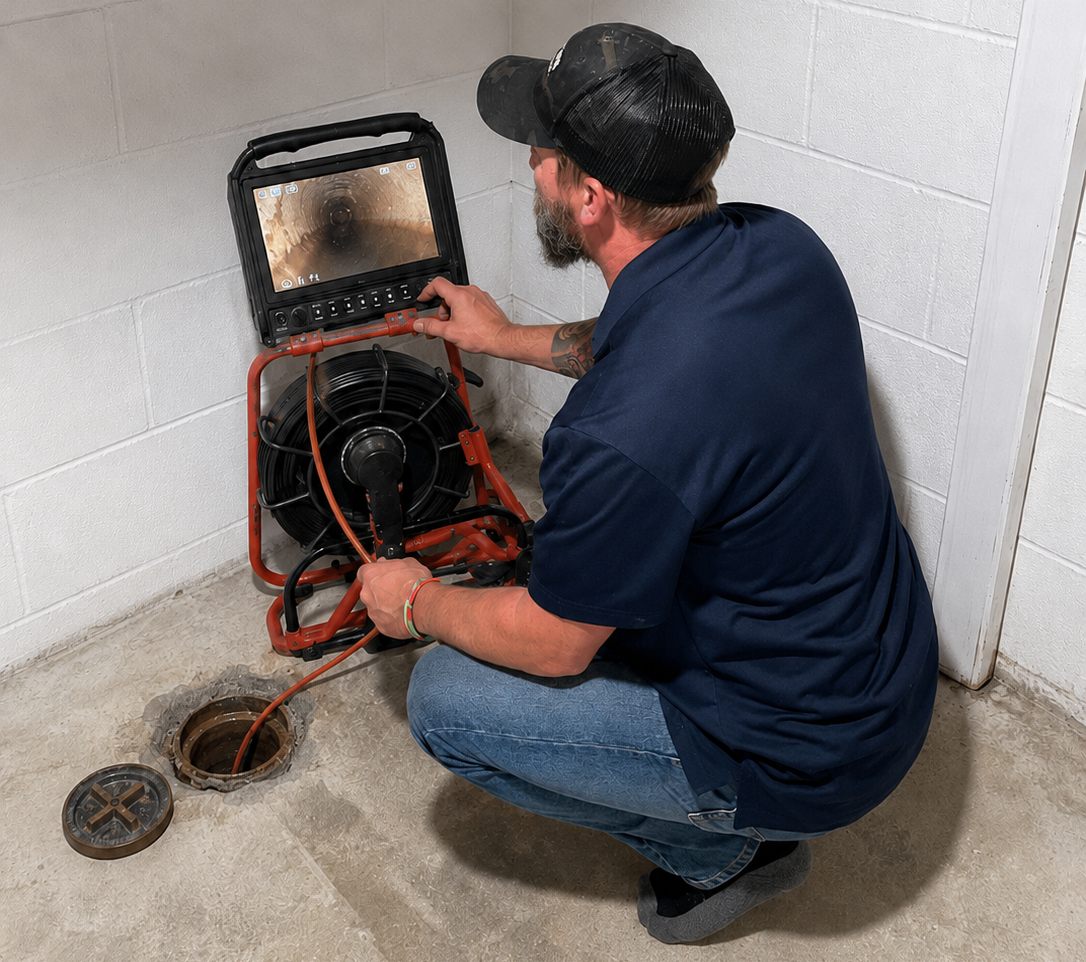
Call a drain specialist. A main line backing up is a same-day problem. We'll cable or jet the line and, on every main line, run a camera so you can see whether it's roots, grease, or something structural.
How to keep it from happening again
If your line has a history of roots, a once-a-year cleaning and inspection before the spring thaw keeps the backup from happening on its own schedule. If the camera shows a recurring structural cause, such as a belly or a crack, cleaning might keep it working temporarily, but you'll want to know your repair options. Either way, you'll know what you're dealing with instead of guessing every spring.
Basement drain backing up? Don't run more water. Call or text Lucky Dog for same-day service.
Read similar articles
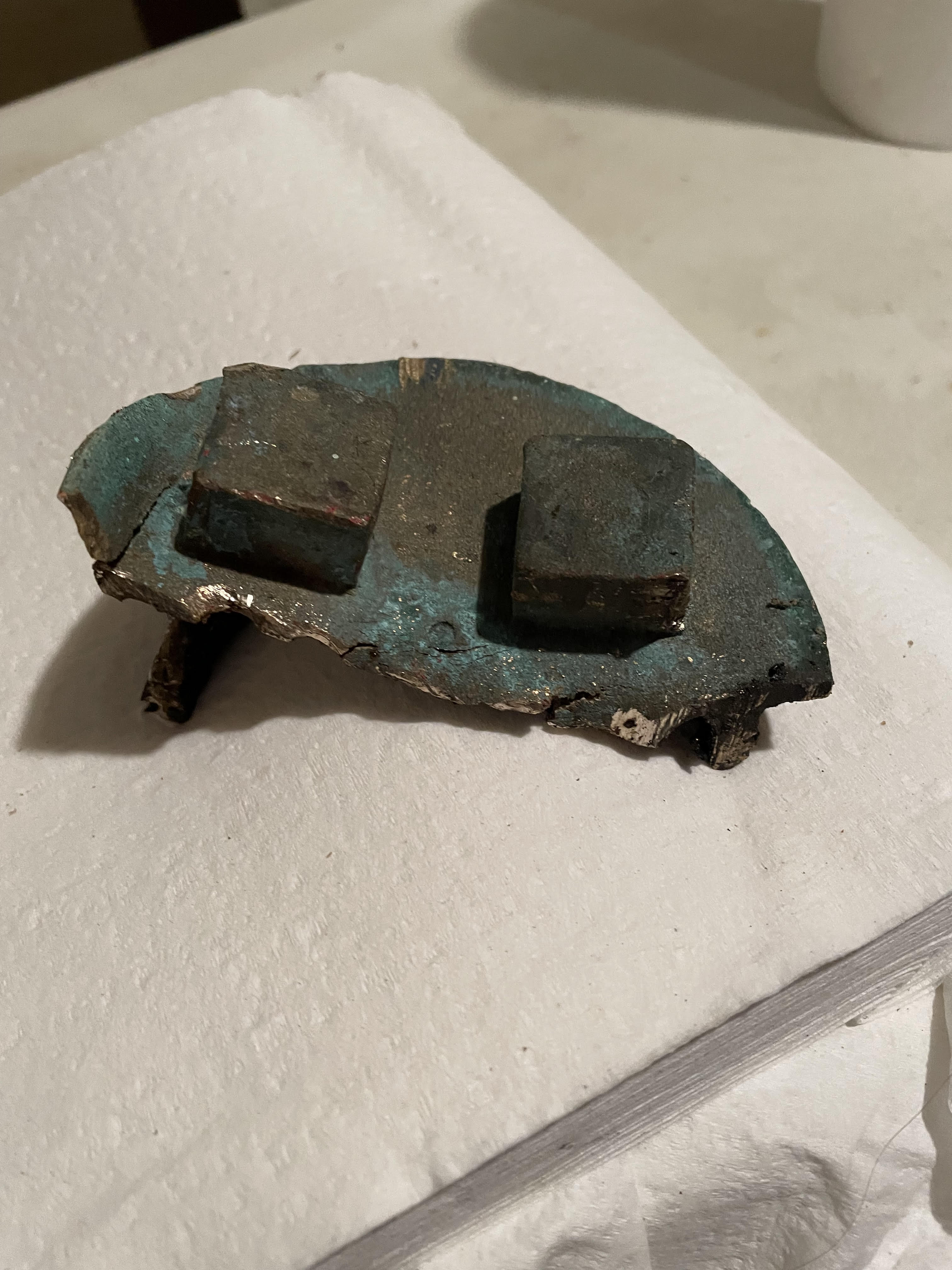
A seized sewer cleanout cap turns a fast fix into a real problem. Here's how Lucky Dog cuts out a frozen cap and replaces it with one you can open.
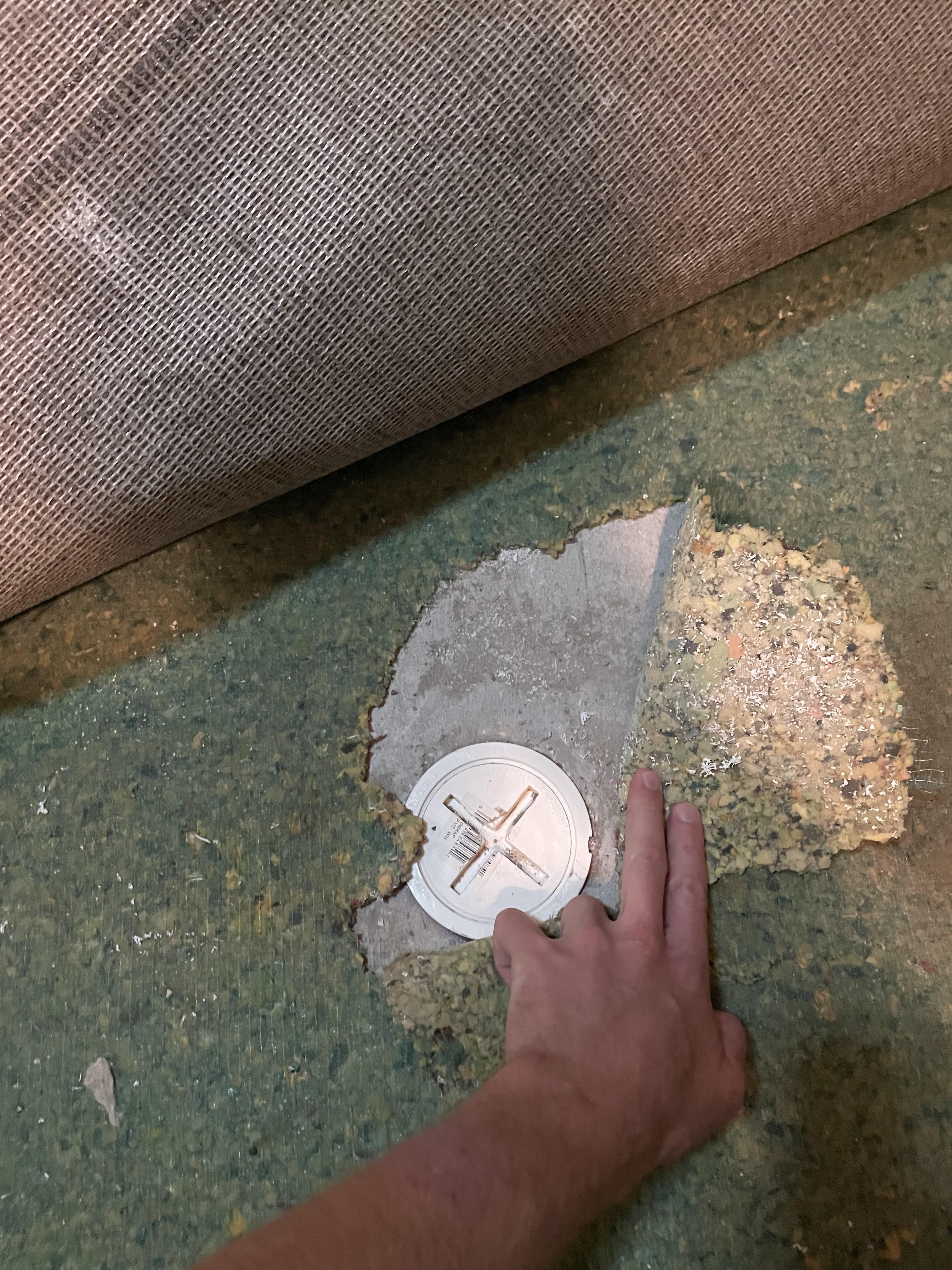
Remodelers cover sewer cleanouts with carpet, tile, and drywall more often than you'd think. Here's how to find yours, and why it matters in older homes.
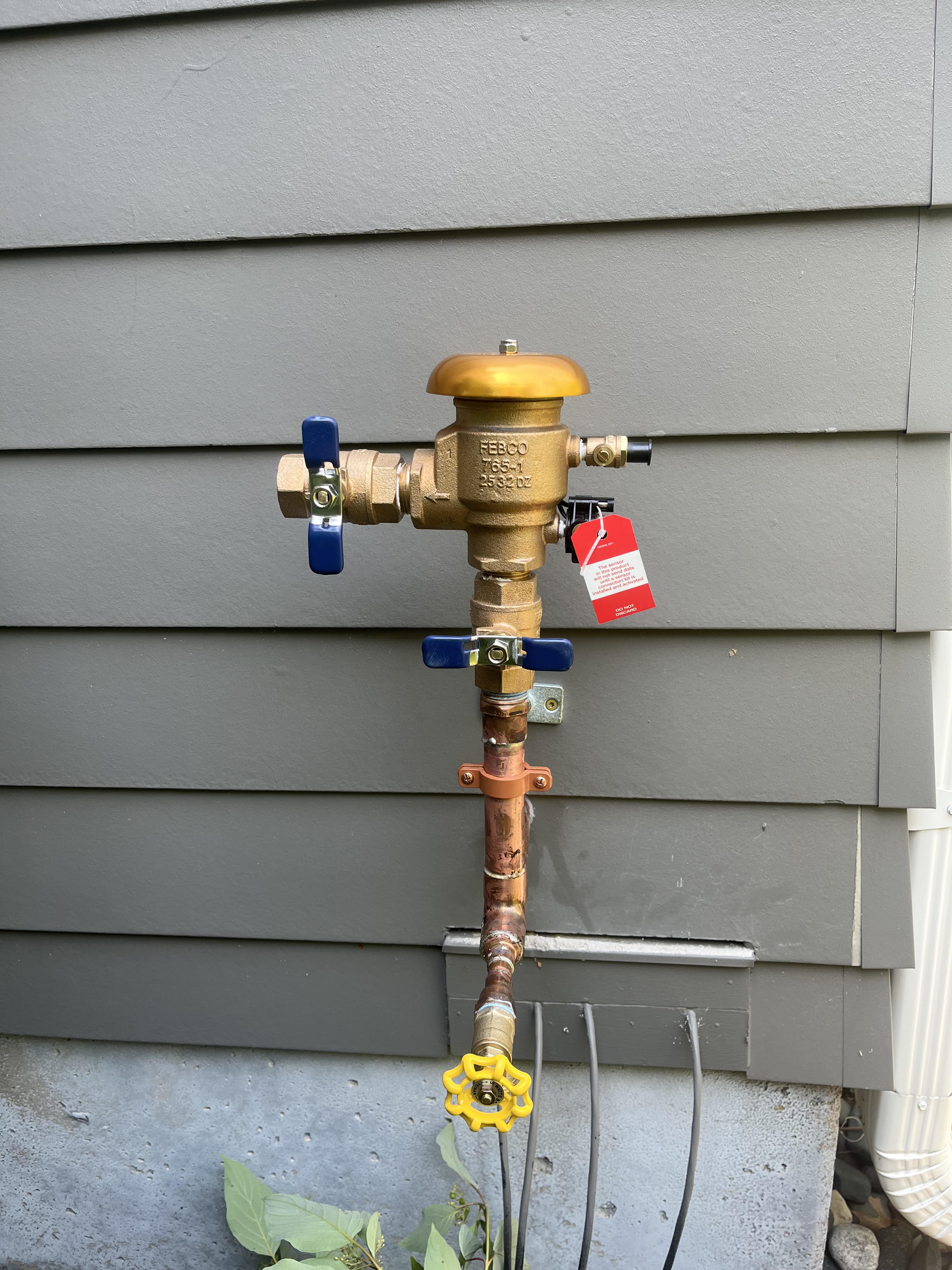
New irrigation system in Edina, St. Louis Park, or Bloomington? Minnesota code requires a backflow preventer, a permit, and annual testing every year.
In a real estate transaction, time and momentum matter. Anything that slows things down can create unnecessary friction and potentially put the deal at risk.
If you live in Minnetonka and recently received a letter about replacing your water meter, you’re not alone. The City of Minnetonka began a multi-year water...

Before you hire anyone to clear a drain, make sure you know the ins and outs of work warranties.