Buying a Home in Minneapolis or St. Paul? Inspect the Sewer Before You Negotiate the Price
Buying a Home in Minneapolis or St. Paul? Inspect the Sewer Before You Negotiate the Price
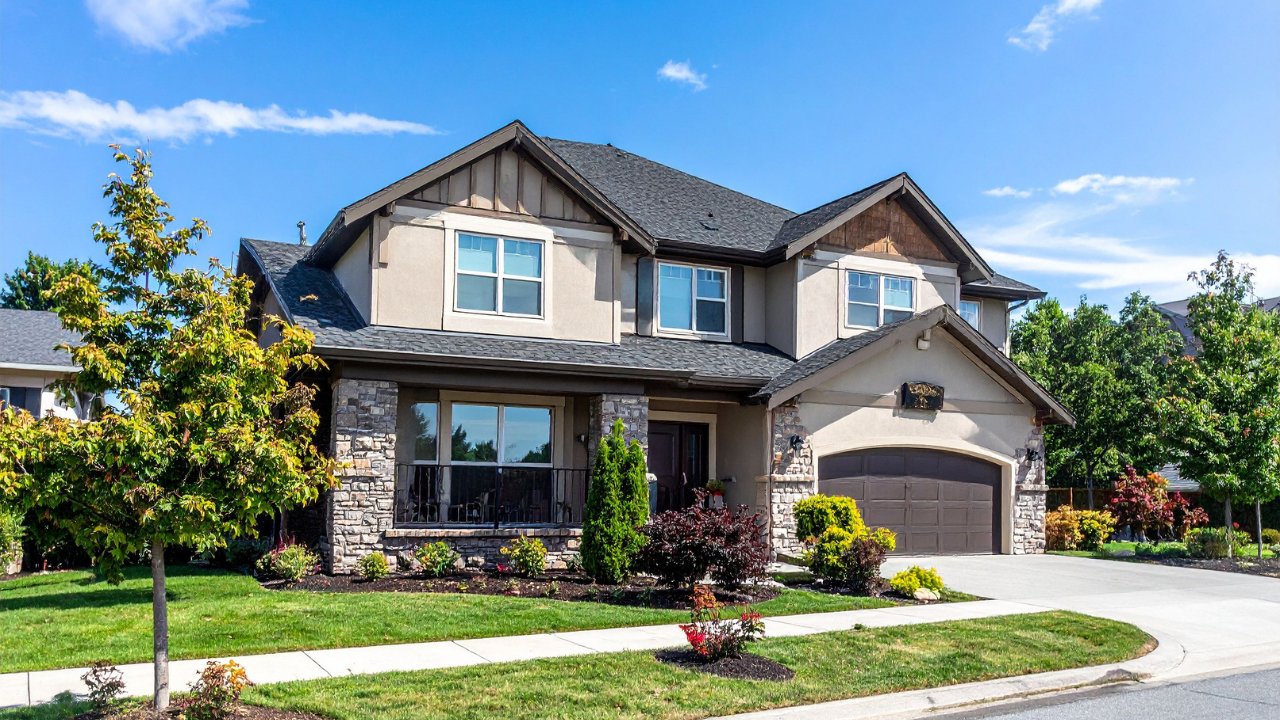

If you're buying a home in St. Paul, Minneapolis, or one of the inner-ring suburbs, such as St. Louis Park, Richfield, Golden Valley, Edina, there's a good chance the house is older than you think, and so is its sewer line. A lot of buyers handle sewer concerns the same way they handle an outdated HVAC system: they ask for a credit and figure they'll deal with it later. With a sewer line, that's a much riskier bet than it sounds.
Why Twin Cities Homes Are More Exposed Than You'd Guess
Much of St. Paul and Minneapolis was built out between the 1900s and 1950s, and a lot of that original sewer infrastructure is still in the ground, such as clay tile pipe, and in some neighborhoods, Orangeburg pipe (a tar-paper composite that was common mid-century and simply doesn't hold up over 50-plus years). Add in the mature tree canopy that makes these neighborhoods so desirable, but you've got the exact combination that causes sewer problems: old jointed pipe plus root systems actively looking for moisture. Roots don't need a crack to get in; they'll find their way through a loose joint over time.
Inner-ring suburbs aren't much safer. Homes built in the 1950s and 60s often used clay pipe as well, and they're now old enough that joint separation, bellies (low spots where the pipe has settled), and root intrusion are common even without any dramatic failure.
Why "Just Negotiate the Price Down" Doesn't Actually Protect You
Here's the problem with asking for a credit instead of getting an inspection: you're negotiating against an unknown number. A seller might offer $10,000 off the list price because the home inspector’s sewer scope showed root issues and a trenchless lining job costs about $10,000 on average. But, if trenchless lining isn’t possible due to complications that require excavation and lining, you could be looking at costs of up to $40,000.
One way to protect yourself more than a sewer scope revealing the problems is to get an estimate from a local sewer repair contractor. However, these estimates sometimes include change order clauses, because realtors tend to wait until the last minute to send your video into the contractor to get an estimate. Eager to help realtors, sewer contractors provide them with a sight unseen estimate that’s based solely on the video of the sewer pipe and doesn’t show the surrounding area above ground. This creates risks for homebuyers.
Additionally, when negotiating a home price using a video estimate from a sewer video or just the sewer inspection report, neither side actually knows exactly what they’re negotiating over. Unlike HVAC systems which are plug-and-play systems with relatively fixed prices, sewer repairs present major unknown risk factors due to the nature of buried pipes and not knowing what might get dug up. Sellers have no incentive to over-estimate the problem and will likely default to the cheapest company’s estimate to repair the issue rather than fixing the problem with a reputable local sewer contractor. This is why it’s crucial that buyers and their agents are intimately involved in the sewer inspection and repair process.
Some buyers and their agents don’t do a sewer inspection, which can be a costly mistake. A sewer camera inspection turns unknowns into risks that can be mitigated. With a sewer camera inspection, you’ll know exactly what's down there whether it’s a root intrusion, a cracked joint, a bellied section, or a sturdy pipe before you close. That gives you three real options instead of one blind one: require the seller to fix it before closing, negotiate a credit based on an actual quoted repair cost, or walk away from a home with a bigger problem than you bargained for.
The Timing Only Works Before Closing
Once you own the home, you own the sewer line and everything wrong with it, full stop. There's no going back to the seller after the fact to ask for help, and if the issue was invisible during the sale because nobody looked, you've inherited a problem with no leverage to make anyone else pay for it. The inspection must happen during your due diligence window, while you still have negotiating power, ideally not on the last day of the inspection period.
What This Actually Costs You
A sewer camera inspection is a small, fixed cost and nowhere near what an unexpected sewer repair runs. It's the cheapest insurance policy in the entire home-buying process, and it's one most buyers skip simply because nobody told them to ask for it. Your general home inspector typically won't always run a sewer camera as part of a standard inspection; it has to be requested separately, usually from a company that specializes in it. It’s best practice to also request an estimate from a few reputable sewer contractors, ideally with an in-person estimate, so nothing on the estimate gets missed.
To Repair or Not to Repair
Imagine that a sewer inspector uncovers a large, sagging portion of the line that’s settling and accumulating water and debris that is starting to back up (also knowns as a “belly.”) This belly requires an excavation in the middle of the street, which means it’ll be more costly due to additional costs associated with setting up traffic control, cutting a hole in the street’s asphalt, additional permits that can cost up to $1,000+ in cities like St. Paul, and the repairing the street to its original condition.
A job like this would probably cost upwards of $25,000. An inexperienced buyer or their agent might recommend negotiating the price down $7,000 - $13,000, because that’s within the range of what sewer repairs, especially trenchless ones, typically cost. Even some simple excavations in the a home’s yard might be less than $13,000. The buyer might start at asking for $13,000 off the list price then eventually settle at the midpoint of $10,000, because the seller—a retiree who lives alone—argues that there haven’t been any backups and or sewer issues in the last 20 years that he’s lived there. The buyers—a family of five—purchase the house, happy that they got $10,000 off the sewer.
Amidst the busyness and excitement of moving in, they quickly forget the issue until a few months later when they host family for the holidays. The sewer backs up into their finished basement, causing thousands of dollars of damage on a holiday, requiring a drain cleaner to come out to clear the line with emergency surcharges. Once the line is clear, they need to work through insurance to restore the basement and get told by the drain cleaner that they need to repair the belly in their line or risk another backup. They get an estimate from a few sewer contractors who all bid the job with quotes ranging from $23,500 to $35,000. They realize their insurance won’t cover it, because they would’ve had to purchase additional insurance covering sewer backups, which they never did.
All of this could’ve been avoided by repairing the line prior to moving in. This isn’t a story to scare homebuyers; it’s simply to educate them, so they’re not faced with these costs. This story is based on true accounts of home buyers and homeowners we’ve worked with in the past. We’re happy to help home buyers or their agents work through these scenarios and hold the line when it comes to sewer repairs during negotiations.
The Bottom Line
If you're under contract on a home in the Twin Cities metro, especially anything built before 1970, or anything with mature trees near the sewer line's path, it is critical to get a camera inspection and a sewer repair estimate before you finalize any conversation about price. It's the difference between negotiating with real information and negotiating with a guess, and it's the only point in the transaction where you actually have leverage to do something about what you find. In a best-case scenario, there’s nothing wrong with the sewer or the homeowner repair the sewer prior to putting the home on the market.
Lucky Dog Sewer & Drain offers sewer camera inspections and sewer repair estimates for homebuyers throughout St. Paul, Minneapolis, and the surrounding suburbs. We'll show you exactly what's in the line, explain what it means in plain language, and give you real numbers to work with before you close.
Read similar articles
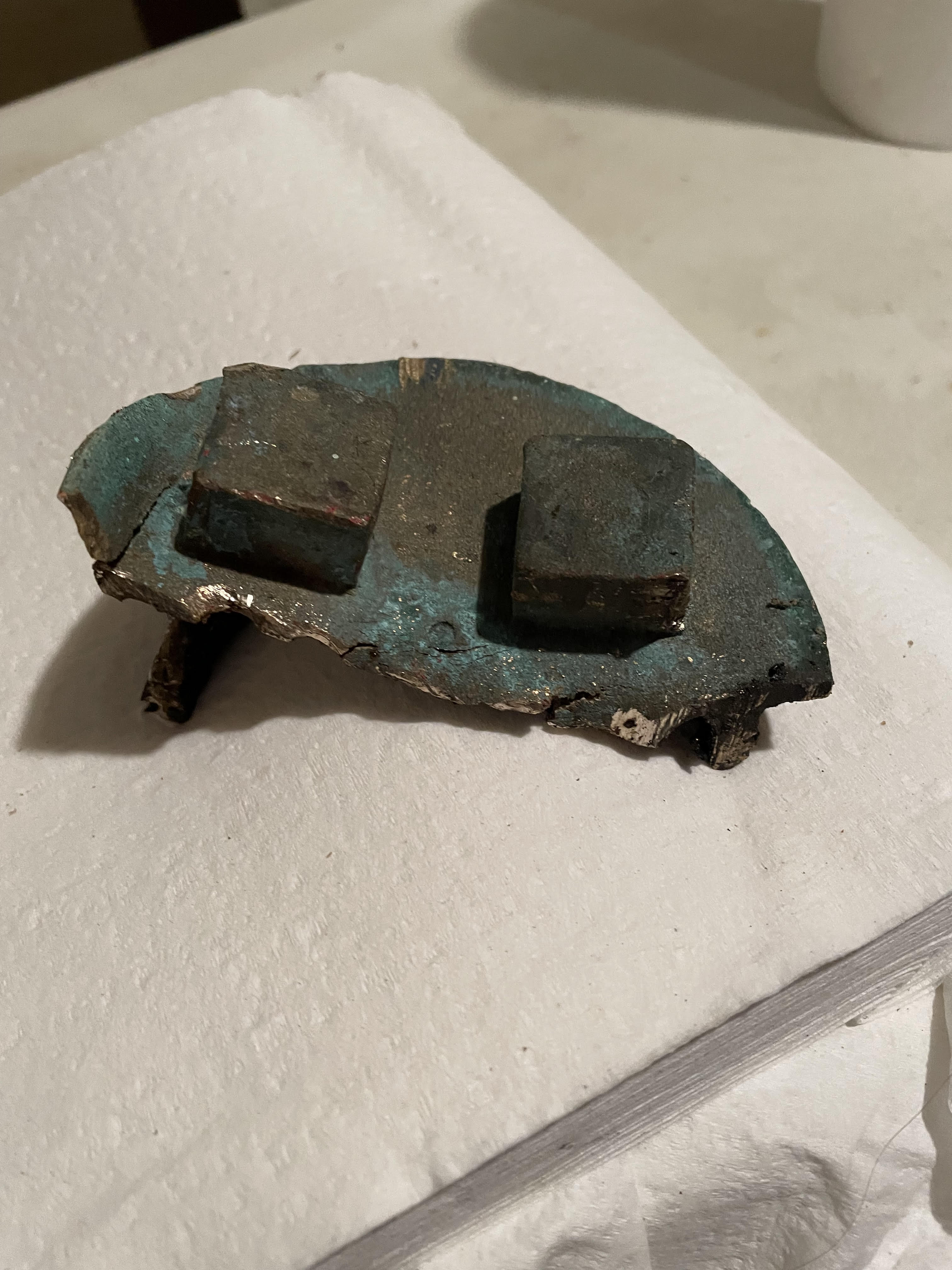
A seized sewer cleanout cap turns a fast fix into a real problem. Here's how Lucky Dog cuts out a frozen cap and replaces it with one you can open.
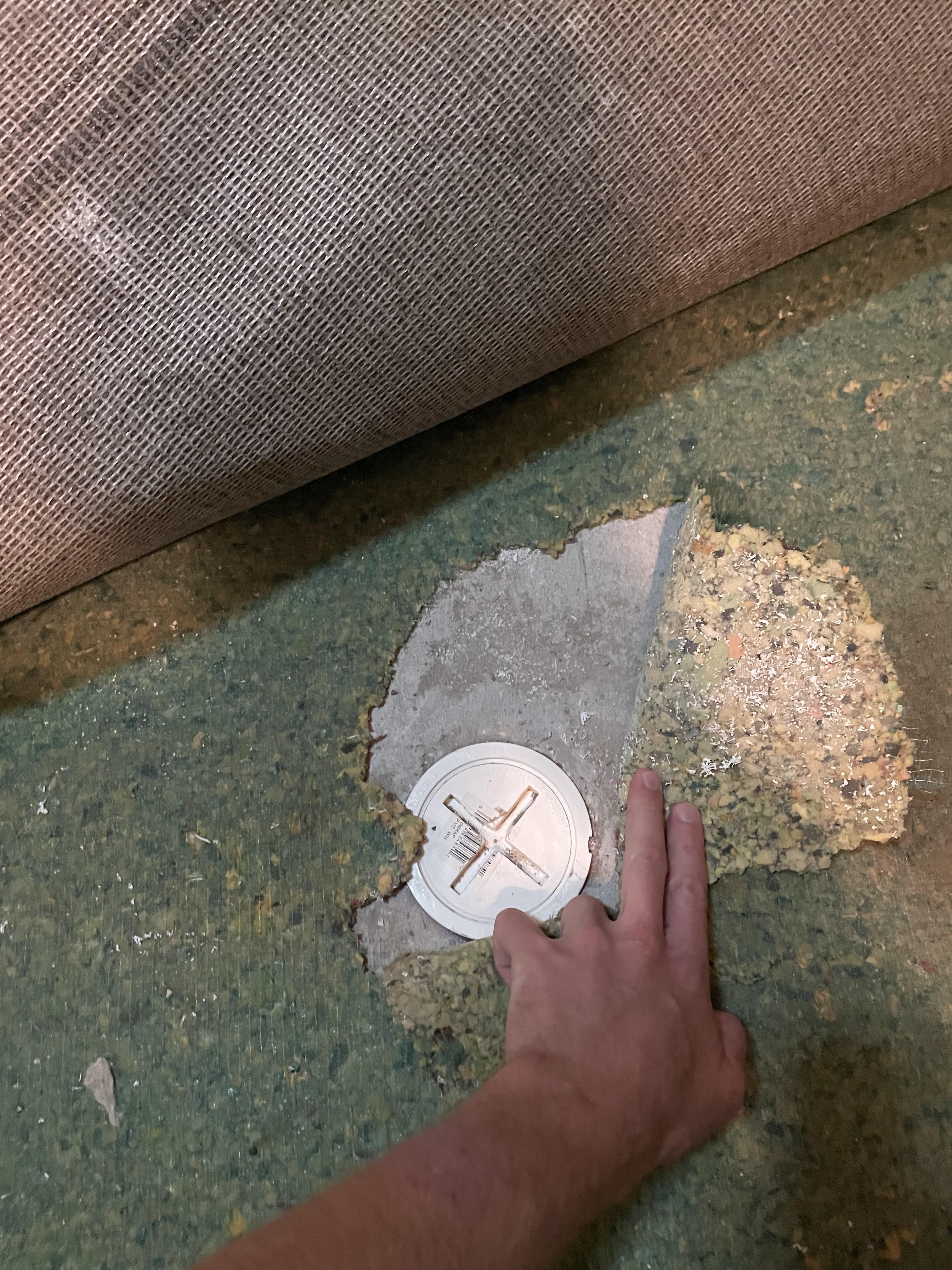
Remodelers cover sewer cleanouts with carpet, tile, and drywall more often than you'd think. Here's how to find yours, and why it matters in older homes.
New irrigation system in Edina, St. Louis Park, or Bloomington? Minnesota code requires a backflow preventer, a permit, and annual testing every year.
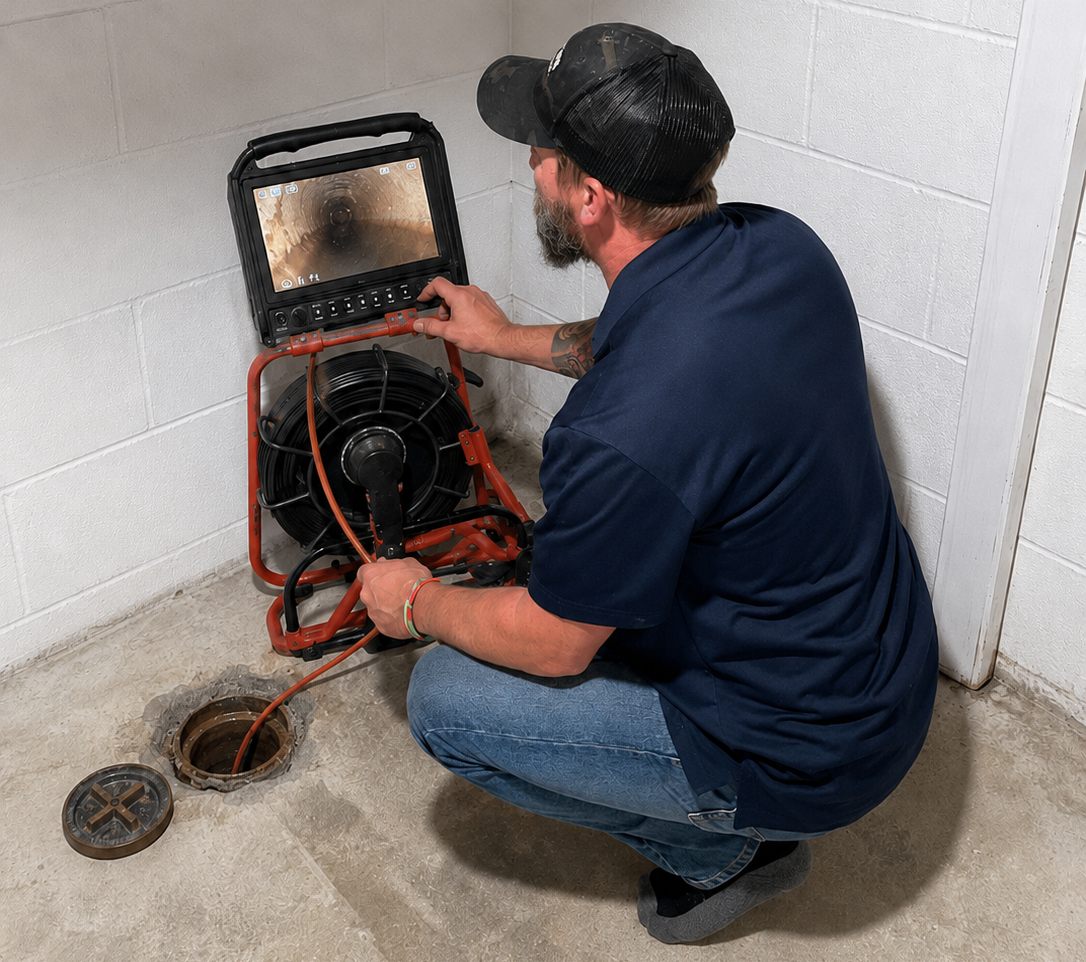
In a real estate transaction, time and momentum matter. Anything that slows things down can create unnecessary friction and potentially put the deal at risk.
If you live in Minnetonka and recently received a letter about replacing your water meter, you’re not alone. The City of Minnetonka began a multi-year water...

Before you hire anyone to clear a drain, make sure you know the ins and outs of work warranties.