
The Sewer Lines Under Southwest Minneapolis: Linden Hills, Fulton, and the Lake Neighborhoods
The neighborhoods around Lake Harriet, Bde Maka Ska, and Lake of the Isles are some of the most beautiful in the city, and some of the oldest continuously...


The neighborhoods around Lake Harriet, Bde Maka Ska, and Lake of the Isles are some of the most beautiful in the city, and some of the oldest continuously lived in. If you own a home in Linden Hills, Fulton, or the streets nearby, the pipe under your yard has a history worth understanding, because it is very likely the original line, and it is very likely made of clay.
How these neighborhoods grew, and why it matters for your pipe
Southwest Minneapolis was one of the last parts of the city to fill in. Minneapolis had only a few miles of sewer in 1880, and even by 1890 the system reached only as far south as Lake Street and Lyndale Avenue. The lake neighborhoods came later, built out in the streetcar era, which means their sewer laterals are turn of the century rather than the 1870s pipe of the old downtown core.
The engine of that growth was the streetcar. Track first reached the area near Lake Harriet in 1879, and the neighborhoods began as clusters of summer lake cottages. Permanent buildout accelerated in the 1910s and 1920s, once the streetcar made a daily commute downtown practical, and that is when most of the Craftsman bungalows, Colonial Revivals, and Tudor cottages you see today were built.
Linden Hills: original clay under a high water table
Most Linden Hills homes were built between roughly 1905 and 1930, with the pockets nearest the lake running a little earlier. That puts the original clay laterals here at right around a century old.
Linden Hills also has a wrinkle that is unique among the neighborhoods we serve. The water table here is extremely high, because the neighborhood sits in a low spot between several South Minneapolis lakes. That matters when a line needs to be dug up, because a repair here can require hours of pumping groundwater out of the excavation before the work can even begin. It is a real reason to do preventative maintenance and work with a local crew that grew up in the neighborhood and knows its ground conditions.
Fulton: a decade younger, same clay story
Fulton sits just south and west, and it developed a little later. The Oak and Harriet streetcar line pushed south along Xerxes Avenue into Fulton in 1913, and the original housing stock was built mostly in the 1920s and 1930s, in Craftsman bungalow, Tudor, Colonial Revival, and Foursquare styles. The southern edge toward 54th Street trends slightly newer. The pipe story is the same as Linden Hills, just shifted about a decade: original clay, laid at the joints that our winters slowly pull apart.
What the age means: roots at the joints
Clay is durable, and many of these hundred-year-old lines are still moving water but fighting a constant battle against the roots of old trees standing over top of them. Clay is laid in short, two-foot sections with mortar joints, and after a century of Minnesota freeze and thaw those joints have almost always separated, at least slightly. Add the enormous boulevard trees these neighborhoods are known for, the lindens, elms (of the few remaining), and maples, and you have the classic Southwest Minneapolis call: roots working into an old clay joint and slowly choking the line. A snake punches a temporary hole through the roots, but they regrow in weeks, ultimately wrapping around the pipe and slowly crushing and cracking it. The only way to know whether your line needs a routine cleaning or something more is to look inside it.
What to do if you own an older home here
If your Linden Hills or Fulton home is original, treat the sewer line as the oldest thing on the property, because it usually is. A one-time camera inspection tells you whether your clay line is holding up or quietly separating, and it ends the cycle of guessing every time a drain runs slow.
That is what we do at Lucky Dog Sewer & Drain. We clear the line, run a camera so you can see the actual condition yourself, and quote a flat rate before we start, never an hourly meter and never a surprise when we arrive. Because we specialize in drain and sewer work in the neighborhoods we grew up in, we believe in showing you the camera without an additional charge, recommending practical solutions, and pointing you to an honest fix if that’s what your sewer needs. Our free 12-Point Drain Health Assessment™ grades what we find so you have a clearly documented baseline instead of a guess.
Own an older home near the lakes? Contact Lucky Dog Sewer & Drain for a camera inspection and a straight answer.
Read similar articles
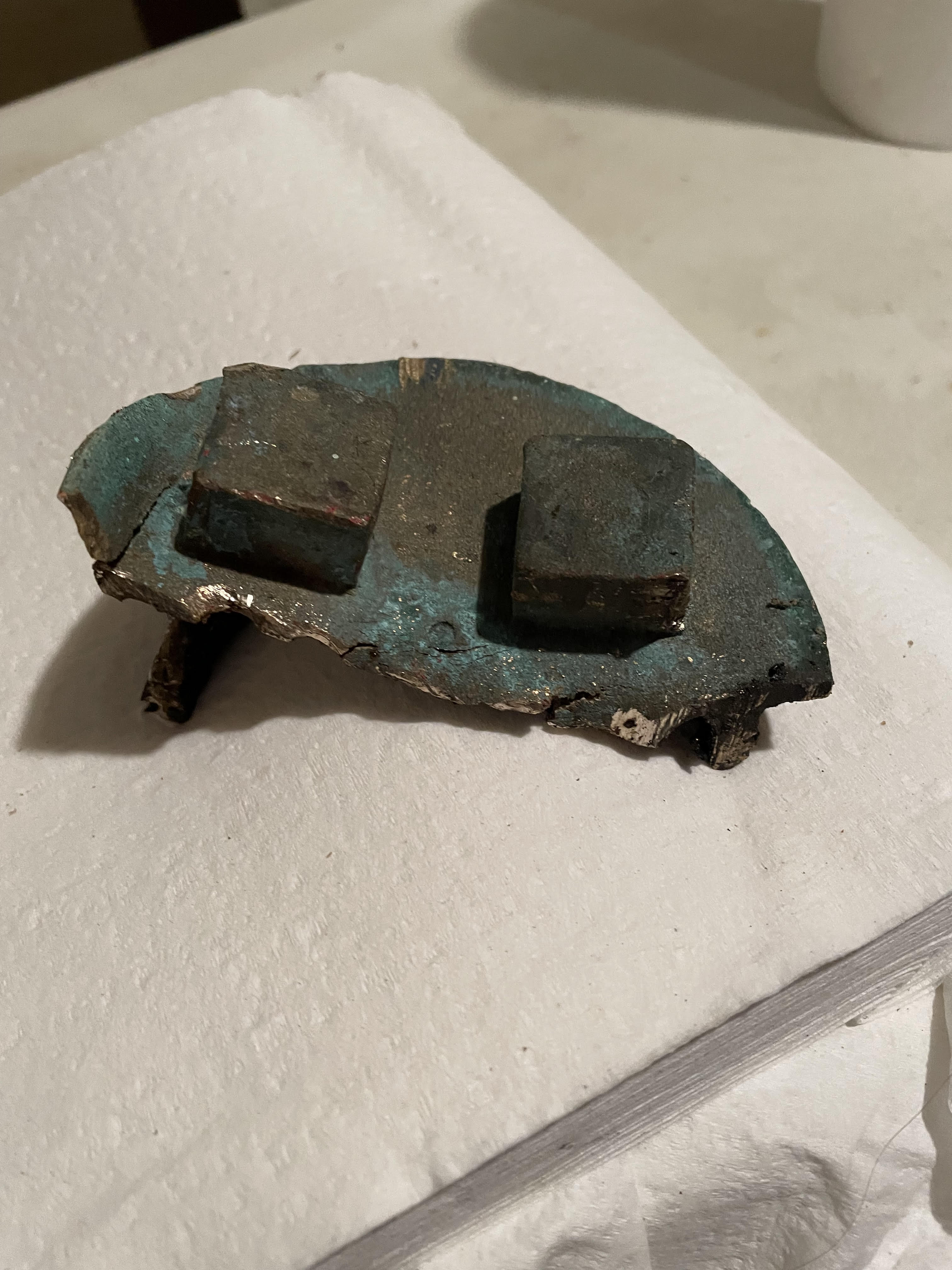
A seized sewer cleanout cap turns a fast fix into a real problem. Here's how Lucky Dog cuts out a frozen cap and replaces it with one you can open.
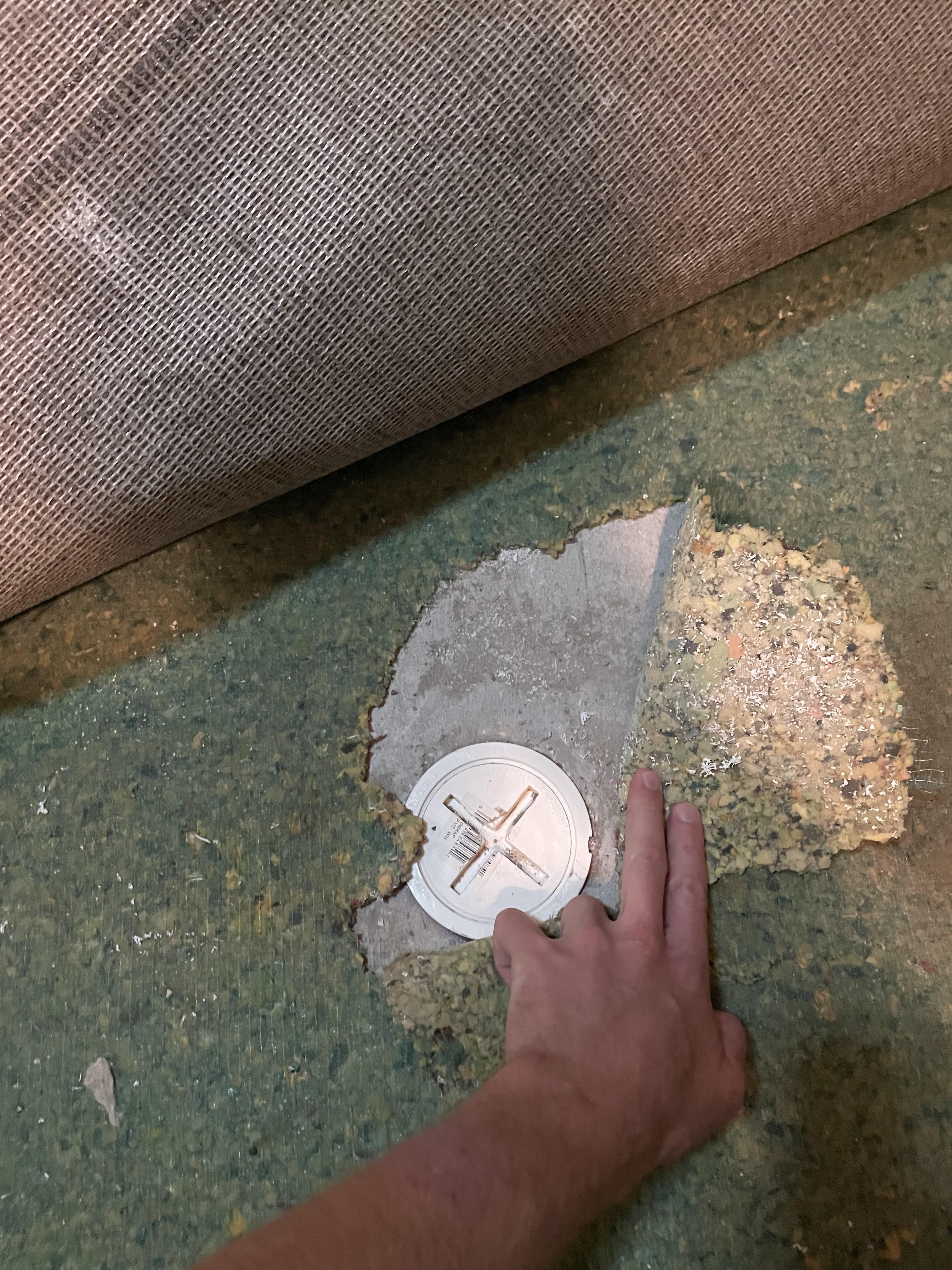
Remodelers cover sewer cleanouts with carpet, tile, and drywall more often than you'd think. Here's how to find yours, and why it matters in older homes.
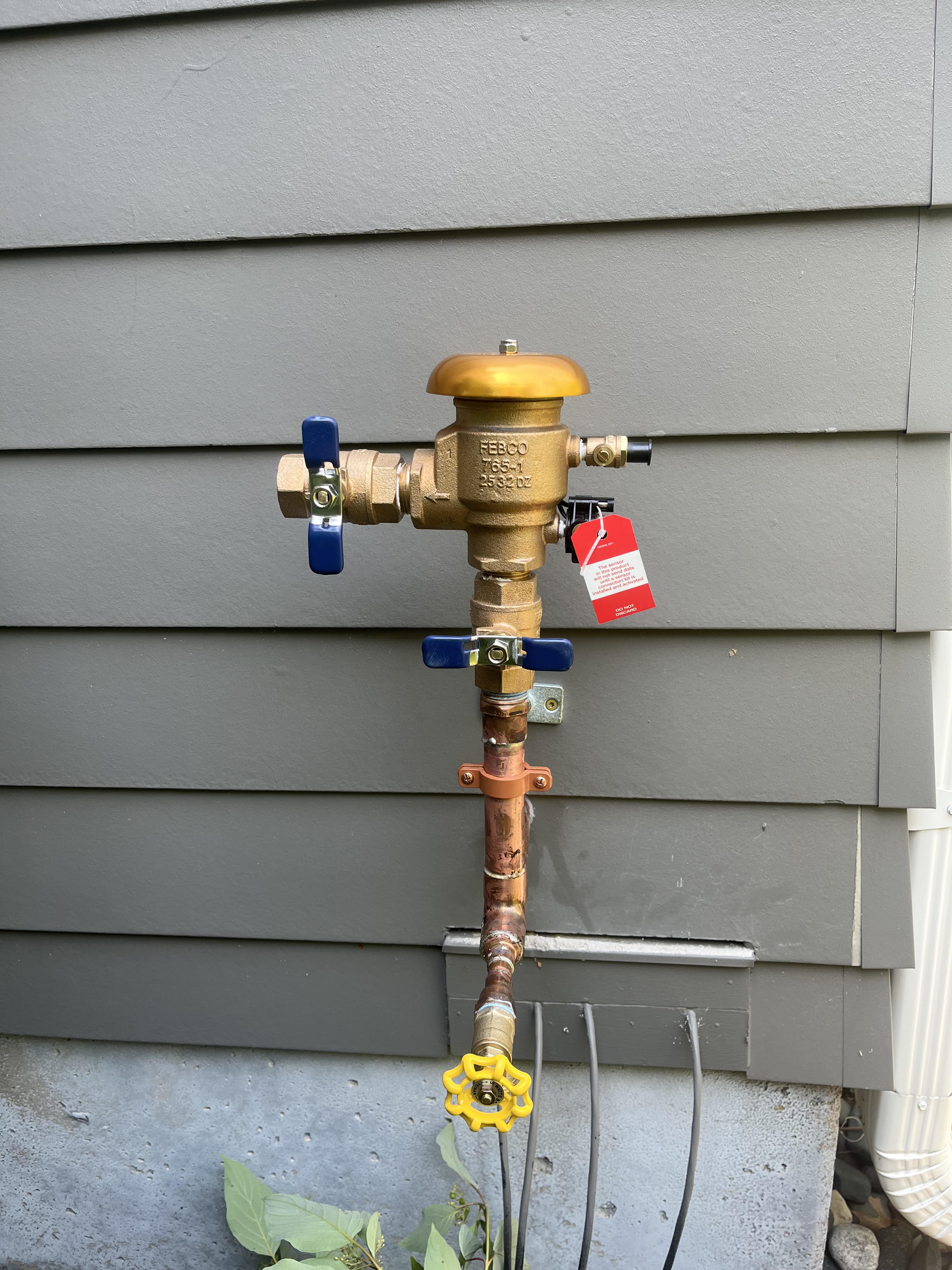
New irrigation system in Edina, St. Louis Park, or Bloomington? Minnesota code requires a backflow preventer, a permit, and annual testing every year.
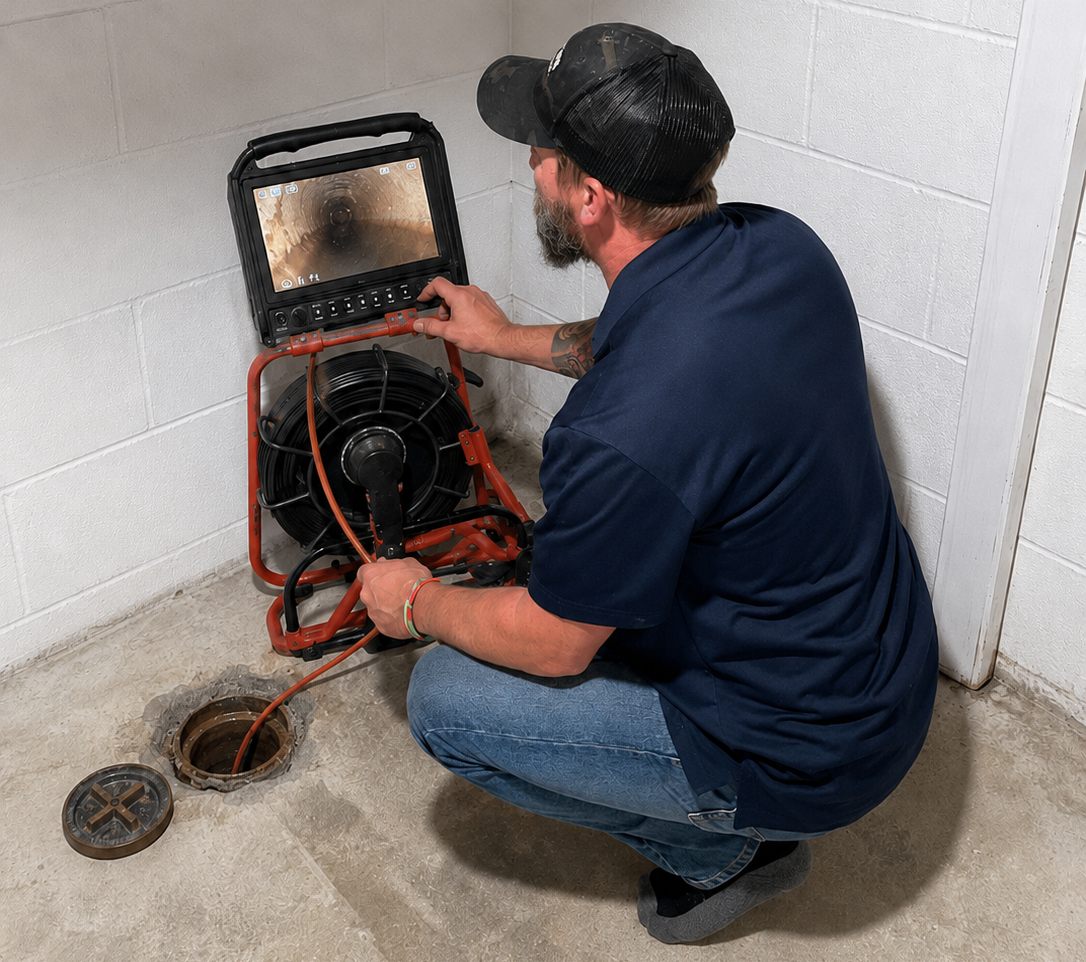
In a real estate transaction, time and momentum matter. Anything that slows things down can create unnecessary friction and potentially put the deal at risk.
If you live in Minnetonka and recently received a letter about replacing your water meter, you’re not alone. The City of Minnetonka began a multi-year water...

Before you hire anyone to clear a drain, make sure you know the ins and outs of work warranties.